
Sungrow présente ses analyses sur la transition énergétique européenne lors du sommet BloombergNEF de Londres.
Source: PR Newswire
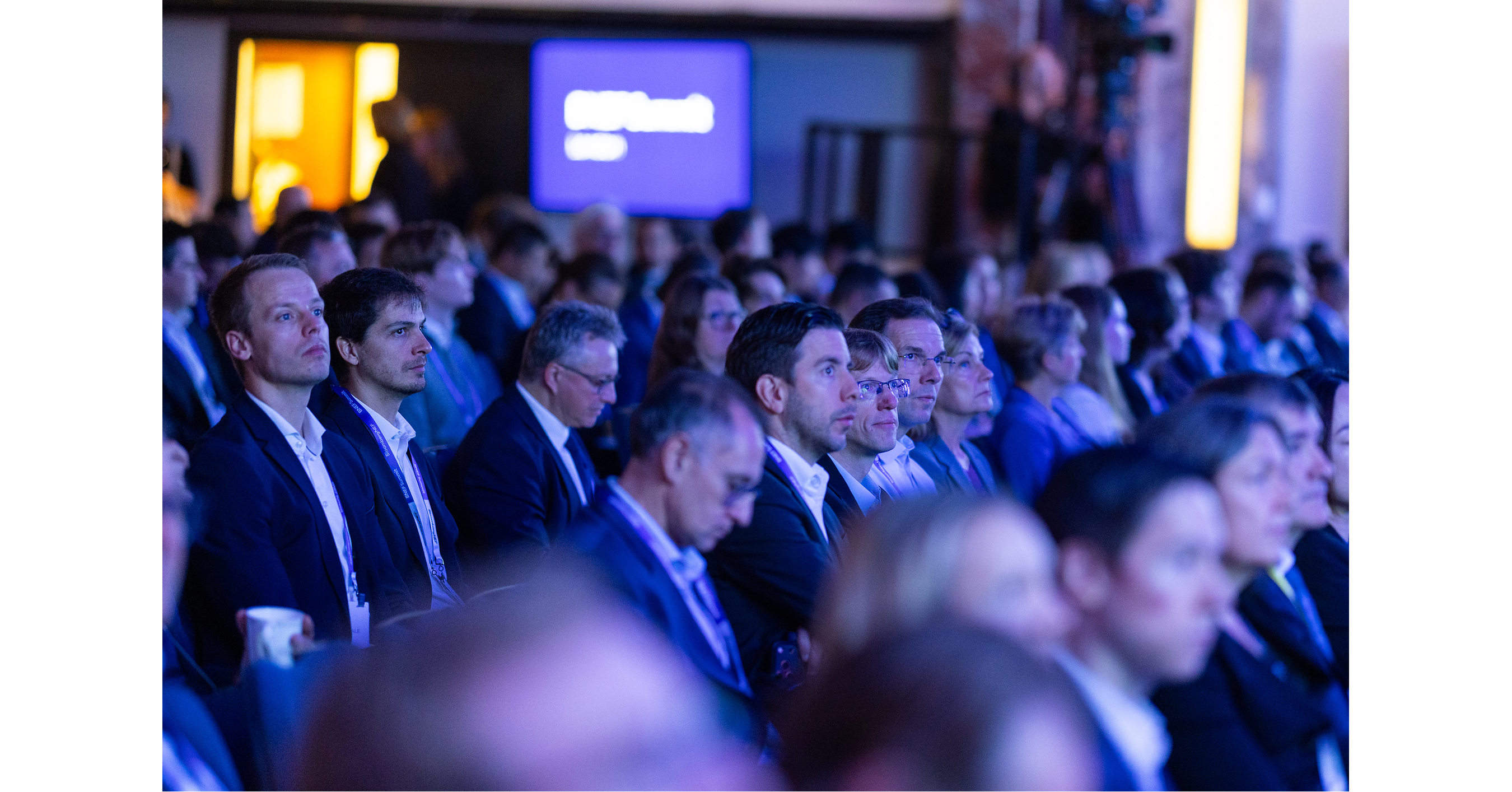
Sungrow said its planned €230 million manufacturing facility in Poland is expected to begin production in 2027; the company also cited more than 900 Europe-based employees, almost all locally recruited. At the BloombergNEF London Summit, executives discussed European clean-tech manufacturing, battery energy storage, grid reliability and investment conditions. The article is primarily a company announcement and event recap, with no financial results or market reaction reported.
Analysis
This is a positioning signal, not evidence of incremental orders or improved earnings: the event is company-sponsored, and the claims on reliability, localization and grid-forming capability are not independently validated here. The second-order opportunity is that European procurement may increasingly reward local service, cybersecurity assurance and dependable lifetime performance—not just lowest upfront cost. That could help Sungrow compete for projects, but it may also raise its cost base and expose the planned Polish plant to utilization and execution risk if demand or permitting lags. European battery integrators and project developers could benefit from better supply resilience, while imported low-cost suppliers could face policy or customer friction; conversely, stricter local-content rules risk raising project costs and delaying deployment. For BESS economics, grid-forming and black-start features matter only if operators procure those services and project revenues compensate for added system costs. Days: little basis for a durable price catalyst. Over 1–3 months, watch European tenders, policy details and disclosed order wins. Over 6–18 months, factory ramp, product reliability and actual service revenue are the tests. The contrarian risk is that “localization” is being priced as a moat when it could instead be a cost burden. No direct trade is justified from this press release alone.
AllMind Terminal
AI-powered research, real-time alerts, and portfolio analytics for institutional investors.
Request TrialMarket Sentiment
Overall Sentiment
mildly positive
Sentiment Score
0.20
Key Decisions for Investors
- Do not trade the conference appearance as an earnings catalyst; treat it as a watch item until Sungrow discloses European order intake, pricing, or measurable economics from the Poland investment.
- Monitor EU and national tender rules for binding local-content or cybersecurity requirements. A material shift toward such criteria would strengthen the localization thesis; a preference for lowest-cost procurement would weaken it.
- Track BESS project returns, contracted grid-service revenues, and independently verified operating performance. Grid-forming or black-start capability is not a revenue moat without procurement and compensation.
- Falsify the positive thesis if the factory schedule slips, utilization appears inadequate, or localization raises costs without improving tender win rates; absent those signals, prefer sector monitoring over a directional position.
More News
- Trump says Iran war will end 'when I want it to' as costs reportedly balloon to $47 billion
- Anthropic's IPO could be 'speculative fiction' or a 'generational moment' — investors are split
- Iran’s calculations as US escalation looms: Trust, midterms, Hormuz
- Anthropic IPO Seeks Investors, With Risks of Catastrophe, Rogue AI
- VCs will make billions on Anthropic’s IPO, but Amazon is set to make much (much) more
- Indian investors rush to Nvidia, SpaceX, Apple as local trading apps roll out access to U.S. stocks