
QBit Semiconductor Targets Physical AI and Drone Markets with QB88XX Series Integrating Robot "Cerebellum" Control
Source: PR Newswire
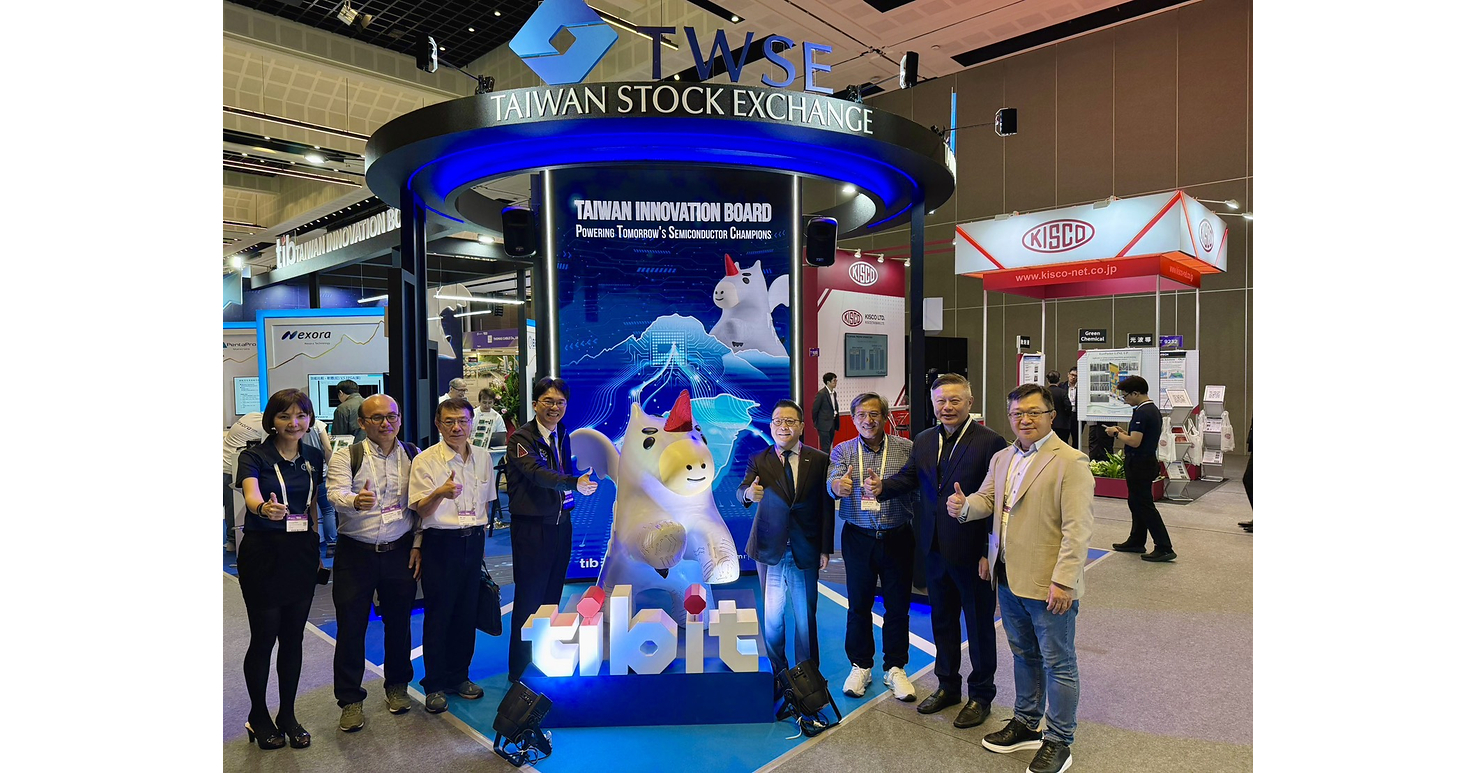
QBit Semiconductor unveiled its QB88XX robotics SoC roadmap at SEMICON Taiwan 2026, targeting Physical AI applications with a single-chip controller supporting up to 32 motors for dexterous robotic hands and industrial automation. Its drone strategy begins with the QB77XX for entry-level deployments during 2026-2028, followed by a dedicated QB88XX platform from 2029 that combines flight control and mission computing. The company also cited 2025 U.S. NIST CAVP validation for ML-DSA post-quantum cryptography and plans to demonstrate multi-object drone tracking in Q4 2026.
Analysis
This is strategically more relevant as evidence that Taiwan is attempting to move from component supply into the control-layer silicon stack for robotics and unmanned systems. If QBit can genuinely collapse discrete motion-control, vision, and mission-computing functions, the primary economic pressure falls on merchants selling standalone MCUs, motor-control ICs, and low-end embedded compute—not on NVIDIA (NVDA), whose exposure remains concentrated in high-end training and autonomous inference. The near-term commercial bottleneck is design-in qualification: industrial customers prioritize deterministic latency, functional safety, software tooling, and field reliability over headline integration.
The company’s addressable market claims should be discounted until independently verified customer wins, production-node economics, and gross-margin guidance emerge. A single-chip architecture can lower customer BOM cost but also raises failure-domain and certification risk; a design flaw or security vulnerability can disable multiple critical functions simultaneously. The claimed security differentiation is potentially valuable in defense-adjacent drone procurement, but cryptographic validation does not establish compliance with export-control, airworthiness, or customer-specific secure-supply-chain requirements.
Over the next 1-3 months, the relevant catalyst is a credible multi-object-tracking demonstration followed by named OEM, ODM, or contract-manufacturing engagements. Over 6-18 months, successful adoption would modestly support Taiwan automation and drone-electronics suppliers, while increasing pricing pressure on fragmented control-chip vendors. Consensus may overvalue the Physical AI label: near-term drone demand is likely constrained more by regulation, procurement cycles, and platform integration than by availability of another SoC; no liquid directional trade is justified solely by this announcement.
AllMind Terminal
AI-powered research, real-time alerts, and portfolio analytics for institutional investors.
Request TrialMarket Sentiment
Overall Sentiment
mildly positive
Sentiment Score
0.35
Key Decisions for Investors
- No immediate position in QBit: wait for disclosed design wins, unit-volume commitments, and gross-margin/wafer-supply data; treat the roadmap as an alert rather than a revenue catalyst.
- Monitor long exposure to Advantech (2395 TT) and Delta Electronics (2308 TT) for 6-18 month automation spillover, but add only after order growth confirms that robotics deployments—not promotional product launches—are accelerating.
- Use a watchlist rather than a short in NXP (NXPI), Renesas (6723 JP), and STMicroelectronics (STM): QBit’s potential substitution risk is confined initially to low-volume, application-specific designs and is unlikely to affect estimates before 2027.
- Falsify any emerging bullish thesis if Q4 tracking demonstrations do not convert into named customer validation by mid-2027, or if disclosed power, thermal, and software-support metrics fail to show a material system-level advantage versus discrete architectures.
More News
- Italy to deploy warships to protect shipping through Bab al-Mandeb
- Oil prices fall for 3rd day as supply concerns ease, diplomacy in focus
- Australia’s central bank chief warns inflation risks materialising
- Saudi Pivots Oil Routes After Pipeline Attack
- This AI-picked stock jumps 18% on Amazon’s $8 billion power deal
- Asian stocks rise as oil retreat eases inflation fears, BOJ in focus
From AllMind Research
- Anthropic IPO Preview: Valuation, Timing, and What to Watch
- Shein After the IPO: Venue, Valuation, and What Must Be Proved
- What AI Research Tools Should a Small Hedge Fund Buy First?
- AI for Sell-Side Models, Estimates, and Internal Data
- How to Write an Investment Memo with AI: A Decision-Record Template