
Youngest Runway Fashion Designer Launches Own Fabric Collection With Mood Fabrics -- Earns Two More Guinness World Records
Source: PR Newswire
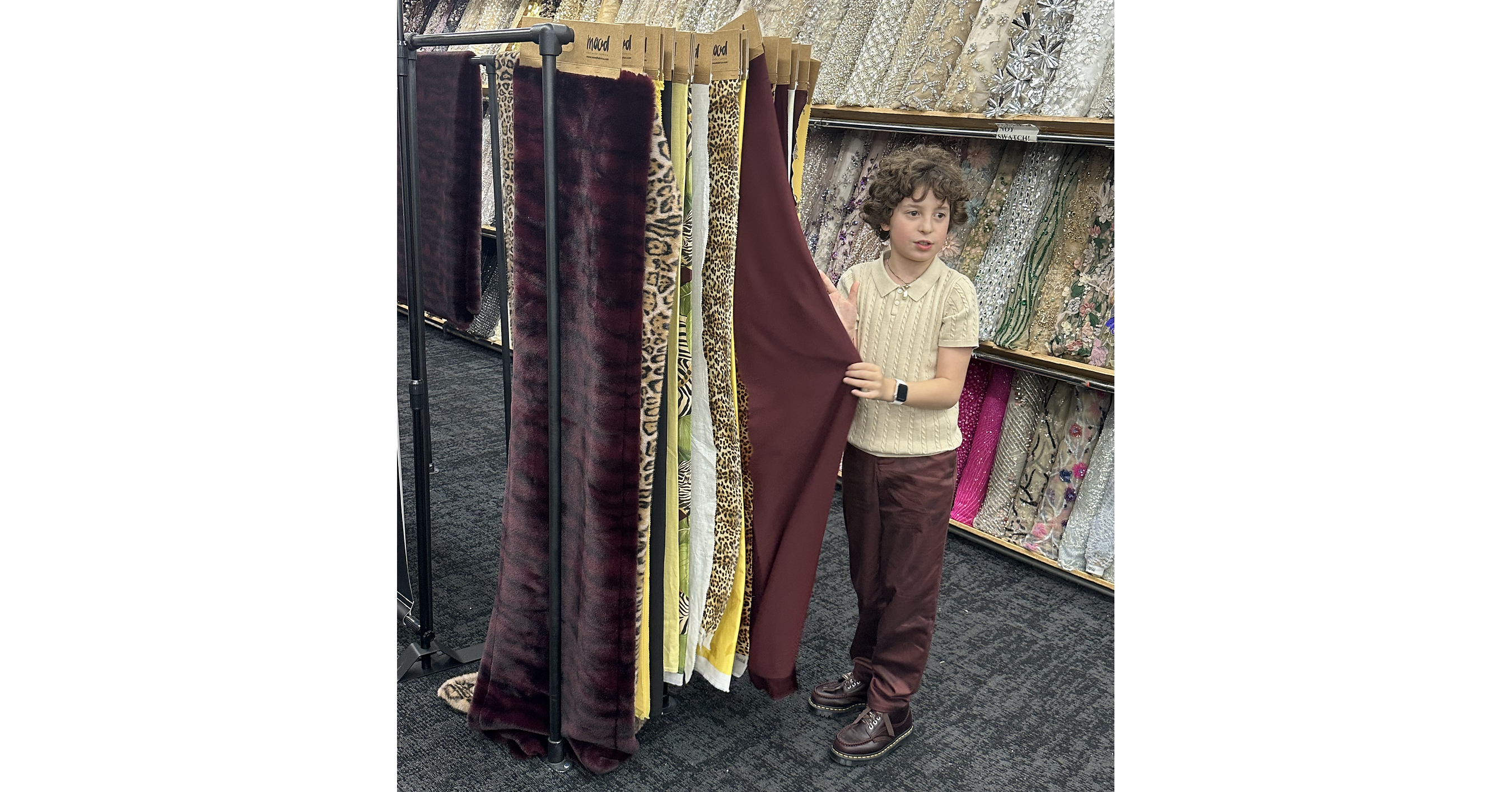
Mood Fabrics launched the Mood × Max Alexander collection on September 14, marking 10-year-old designer Max Alexander's first original fabric line. The 15-fabric collection uses eco-conscious materials including BCI Cotton, recycled-polyester faux fur, Ecovero viscose and European Flax linen, and will be sold online and at Mood retail locations nationwide. The launch event also resulted in two additional Guinness World Records for Alexander, but the announcement is unlikely to have material public-market implications.
Analysis
This is not investable public-equity information on its own: Mood Fabrics appears privately held, and there is no disclosed unit volume, gross-margin profile, wholesale distribution, or paid-media spend to translate publicity into earnings. The likely near-term value is customer-acquisition efficiency rather than material revenue; social-led capsules can lift site traffic and email capture, but fabric retail has a low ceiling unless the launch converts into repeat purchases from makers rather than one-time novelty demand.
The relevant second-order read-through is on the creator-commerce model in specialty apparel inputs. If sell-through is strong, privately held competitors such as JOANN’s successor retail footprint and independent fabric e-commerce sellers may face higher influencer-marketing costs, while sustainable textile suppliers gain a modest proof point that eco-oriented materials can be merchandised on aesthetics rather than compliance. That said, sustainability claims here are product-level marketing assertions absent lifecycle, sourcing, and price-premium disclosure; no ESG valuation implication follows.
Over the next 1-3 months, the only useful catalyst is independently observable: collection availability, replenishment frequency, social engagement converting to web traffic, and evidence of stockouts without heavy discounting. A rapid markdown cycle or persistent inventory would indicate publicity failed to overcome the price sensitivity and project-completion friction inherent in the home-sewing category. Over 6-18 months, a recurring licensed-capsule pipeline would be more meaningful than this isolated launch, but remains speculative.
Contrarian view: the press attention is likely to overstate commercial significance because Guinness recognition is earned media, not evidence of durable demand. Treat any apparent consumer-retail read-through as noise unless comparable public retailers disclose a measurable traffic or category-sales inflection.
AllMind Terminal
AI-powered research, real-time alerts, and portfolio analytics for institutional investors.
Request TrialMarket Sentiment
Overall Sentiment
moderately positive
Sentiment Score
0.42
Key Decisions for Investors
- No standalone trade: there is no named liquid public issuer with a direct earnings exposure, and the stated impact is too low to justify a thematic position.
- Set a watch alert for any disclosed acquisition, funding round, or distribution partnership involving Mood Fabrics; only reassess if verifiable sell-through, repeat capsule cadence, or wholesale expansion establishes scalable revenue.
- Do not extrapolate to broad retail ETFs such as XRT: specialty fabric demand is too small and disconnected from constituent earnings to support a sector trade.
- For ESG-textile themes, require third-party sourcing/certification detail and price-premium data before using this launch as evidence for long positions in sustainable-materials suppliers.
More News
- California AG Says Paramount-WBD Merger Would Hurt the State
- California AG Bonta on Paramount-Warner Bros., Meta and AI
- How record diesel prices will rip through the U.S. economy. Trucks and rails are only the start
- Waymo to launch robotaxis in Singapore, its first Southeast Asia market, by 2028
- Waymo to bring autonomous ride-hailing to Singapore in 2028
- Rising oil, rates and yields brew up stagflation cocktail for markets