
Linker Vision Unveils Linker AI Nexa to Bring Physical AI to City Governance
Source: PR Newswire
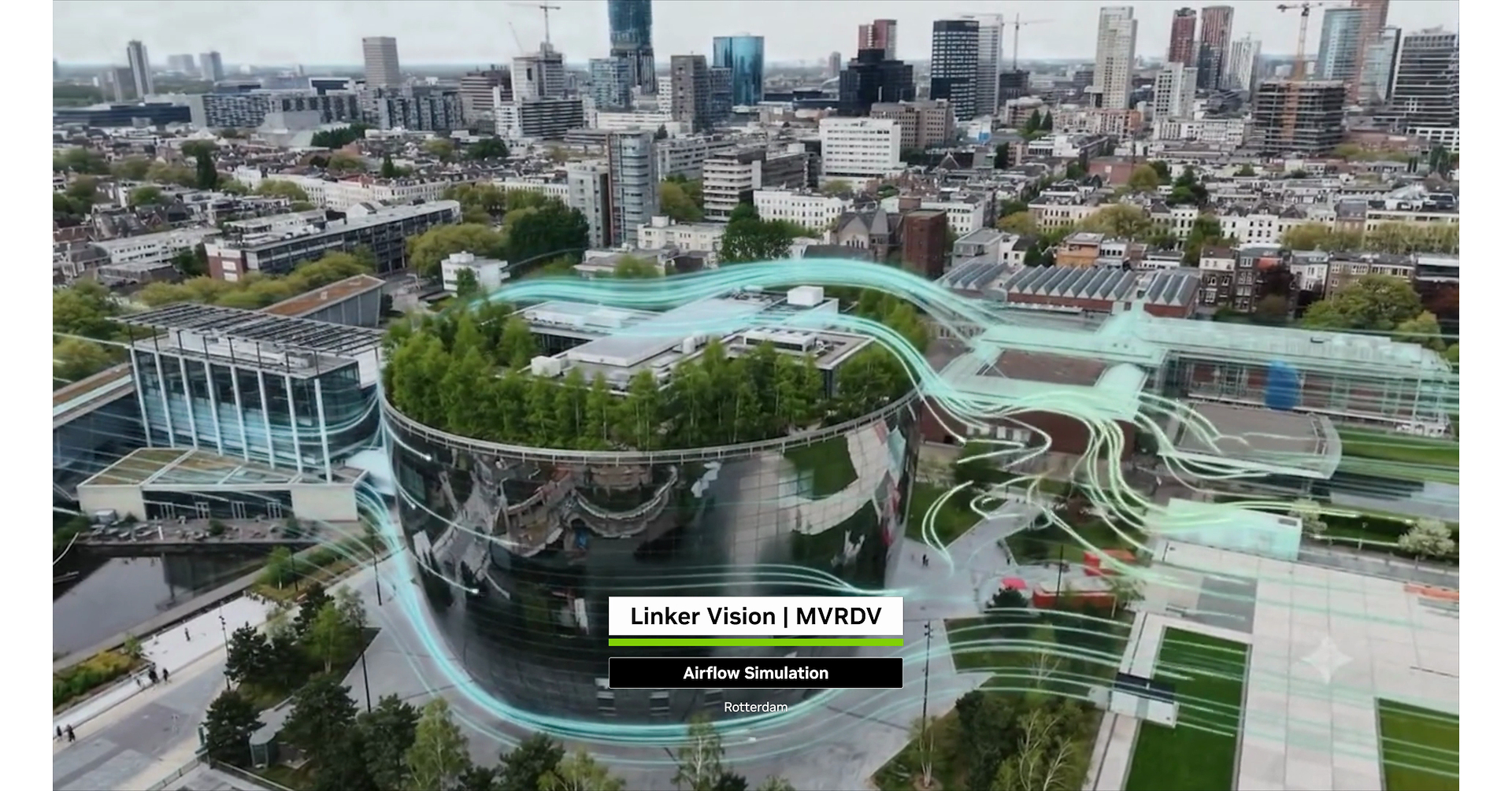
Linker Vision unveiled Linker AI Nexa, a platform combining physical and agentic AI, NVIDIA technologies, city data and digital twins to connect real-time conditions with government operating procedures. In Taipei urban-forest pilots, the company reported tree-survey throughput rising from about 100 to over 1,000 trees per person per day and projected shade coverage increasing from 15.7% to over 50% within 15 years; simulations took 10 minutes, versus roughly two weeks per design iteration. Linker Vision also announced a collaboration with MVRDV and is exploring applications across several European locations.
Analysis
The investable signal is not the product launch itself but whether a reusable software layer can turn city pilots into repeatable, budgeted deployments. That is unproven: the reported productivity and shade figures are pilot/model outputs, not evidence of contracted revenue, realized savings, or citywide operational performance. Public procurement, integration with legacy systems, data rights, and human approval requirements may stretch sales cycles and constrain autonomous action.
NVIDIA could see modest ecosystem pull-through if deployments expand, but one city platform is unlikely to be material absent evidence of broad customer adoption or meaningful compute consumption. Urban-planning and infrastructure-software vendors such as Bentley Systems, Autodesk, and Dassault Systèmes are both potential beneficiaries of wider digital-twin budgets and competitors for planning workflows; this announcement does not establish displacement or share gains for any of them.
Near term (days), the release is too small and promotional to support a standalone trade. Over 1–3 months, watch for named paid deployments, procurement awards, and independently measured operating results. Over 6–18 months, repeatability across cities—and whether local data and governance requirements erode the claimed build-once economics—will determine whether this is a scalable software opportunity or bespoke systems integration. The contrarian risk is treating modeled climate outcomes and a high-profile technology stack as proof of commercial traction.
AllMind Terminal
AI-powered research, real-time alerts, and portfolio analytics for institutional investors.
Request TrialMarket Sentiment
Overall Sentiment
mildly positive
Sentiment Score
0.35
Key Decisions for Investors
- Do not add NVIDIA exposure on this announcement alone; treat it as ecosystem validation, not a material near-term revenue catalyst.
- Set a watch item for Linker Vision contract values, paid city deployments, renewal/expansion rates, and compute usage. Without these, avoid assigning meaningful commercial value to the pilot claims.
- Reassess the thesis if deployments repeat across multiple jurisdictions with disclosed budgets and independently verified outcomes; falsifiers include prolonged pilot status, procurement delays, or evidence that each rollout requires substantial bespoke integration.
- For Bentley Systems, Autodesk, and Dassault Systèmes, monitor municipal digital-twin wins and competitive displacement rather than assuming automatic read-through; this release alone does not justify a pair trade.
More News
- AMD stock jumps 7% on earnings as data center revenue nearly doubles
- Marvell-Lumentum Deal Puts Optical Networking at the Center of the AI Boom
- The Strait of Hormuz closure has cost Europe an extra $142 billion for the same energy it was already buying
- Marvell Technology could plunge on latest multibillion-dollar acquisition
- AI Inference Startup Fal Raises Capital at $16 Billion Valuation
- AMD rides data center riches to ‘largest and most profitable’ quarter in history