
Pudu Robotics bringt die PUDU-GT-Serie auf den Markt - eine Reihe aus drei Modellen gewerblicher Mähroboter für die professionelle Grünflächen- und Rasenpflege
Source: PR Newswire
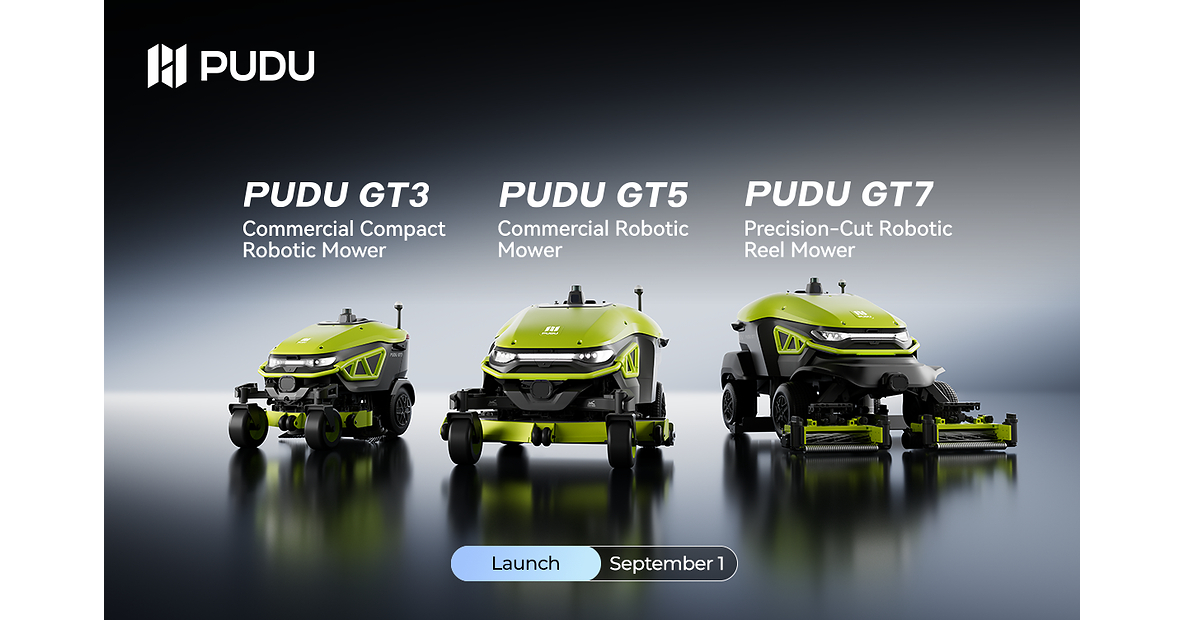
Pudu Robotics stellte die neue PUDU-GT-Serie gewerblicher Mähroboter vor (GT3, GT5, GT7), mit Funktionen wie KI-basierter Wahrnehmung und autonomer Navigation (RTK/LiDAR/Kameras beim GT7, Positionsgenauigkeit bis ±2,5 cm). Die Modelle sind auf unterschiedliche Einsatzflächen zugeschnitten (z.B. GT5 mit 60" Schnittbreite und Ziel-Effizienz von ca. 2 Acres/Stunde; GT7 mit 62" Spindelmähen für Golf-/Sportplätze und bis 30° Steigung). Laut Artikel geht es um eine Weltpremiere auf der GaLaBau 2026, potenziell mit positiver Wirkung für den Produkt-/Umsatzmix, jedoch ohne konkrete Finanzzahlen.
Analysis
This is a signal about category expansion, not an earnings event. The near-term market read-through is to the labor-intensity of grounds maintenance: if autonomy can reliably handle fragmented commercial sites, the first economic winner is the buyer, not the OEM, because labor savings and fewer machine swaps drive ROI. That means the most exposed public names are the traditional turf-equipment franchises and the regional service contractors that depend on mowing hours, especially where wage inflation and labor scarcity are already squeezing margins.
The more interesting second-order effect is channel conflict. If adoption advances, dealers and service networks become the bottleneck, so the margin pool can shift from hardware toward installation, software, fleet management, and maintenance contracts. That is constructive for robotics platform vendors but potentially negative for equipment incumbents like TTC and, to a lesser extent, DE’s turf line; the pain would likely show up first in replacement cycles and accessory demand, not headline unit volumes.
Timing matters: in the next 1-3 months this is mostly a product-demo story, with little financial impact unless there are disclosed pilot customers or distribution partners. Over 6-18 months, the real catalyst is proof of uptime in messy real-world conditions and evidence that buyers can underwrite payback versus outsourced landscaping spend. The contrarian view is that the market may overestimate adoption in premium golf/sports use and underestimate uptake in campuses, hospitals, and municipal properties where service quality is secondary to cost and labor availability.
AllMind Terminal
AI-powered research, real-time alerts, and portfolio analytics for institutional investors.
Request TrialMarket Sentiment
Overall Sentiment
mildly positive
Sentiment Score
0.20
Key Decisions for Investors
- No immediate portfolio action on Pudu itself; treat this as a watch item until there is verifiable evidence of channel scale, installed base, or recurring service revenue.
- Use TTC as the clearest public proxy for turf-equipment substitution risk; consider a 3-6 month relative-value short against a diversified industrial/automation basket only if management commentary starts to mention slower replacement cycles or dealer inventory pressure.
- If robotics adoption evidence appears at the September trade show, buy a small TTC put spread 3-6 months out; the thesis only works if the market starts discounting a 2027+ share shift in commercial mowing.
- For facilities/outsourcing beneficiaries, watch ABM and ARMK on the first signs of autonomous grounds-maintenance pilots; any margin uplift would be slow, but this is the cleaner second-order winner if labor hours are displaced.
- Set a falsifier: if the next two quarters of turf-equipment/channel data do not show order softness or pricing pressure, fade the bear case on TTC and avoid paying up for robotics optionality.
More News
- Christine Lagarde: IMFC Statement
- Palantir patient data tech rejected by many NHS trusts in England
- Why did CoreWeave stock get crushed this week? Look to this corner of the debt market for clues
- Diageo's Toxic Spill Hits Pristine River in Scottish Whisky Country
- AI stock sell-off ramps up over debt-fueled data center spending fears: ‘Full-blown crisis of confidence'
- Apple’s $1,999 iPhone Duo puts the company's status-symbol power to the test