
RayNeo präsentiert auf der IFA 2026 gemeinsam mit Dolby und Bang & Olufsen eine neue Generation von Smart-Brillen mit KI-Funktionen und kinoreifem AR-Erlebnis
Source: PR Newswire
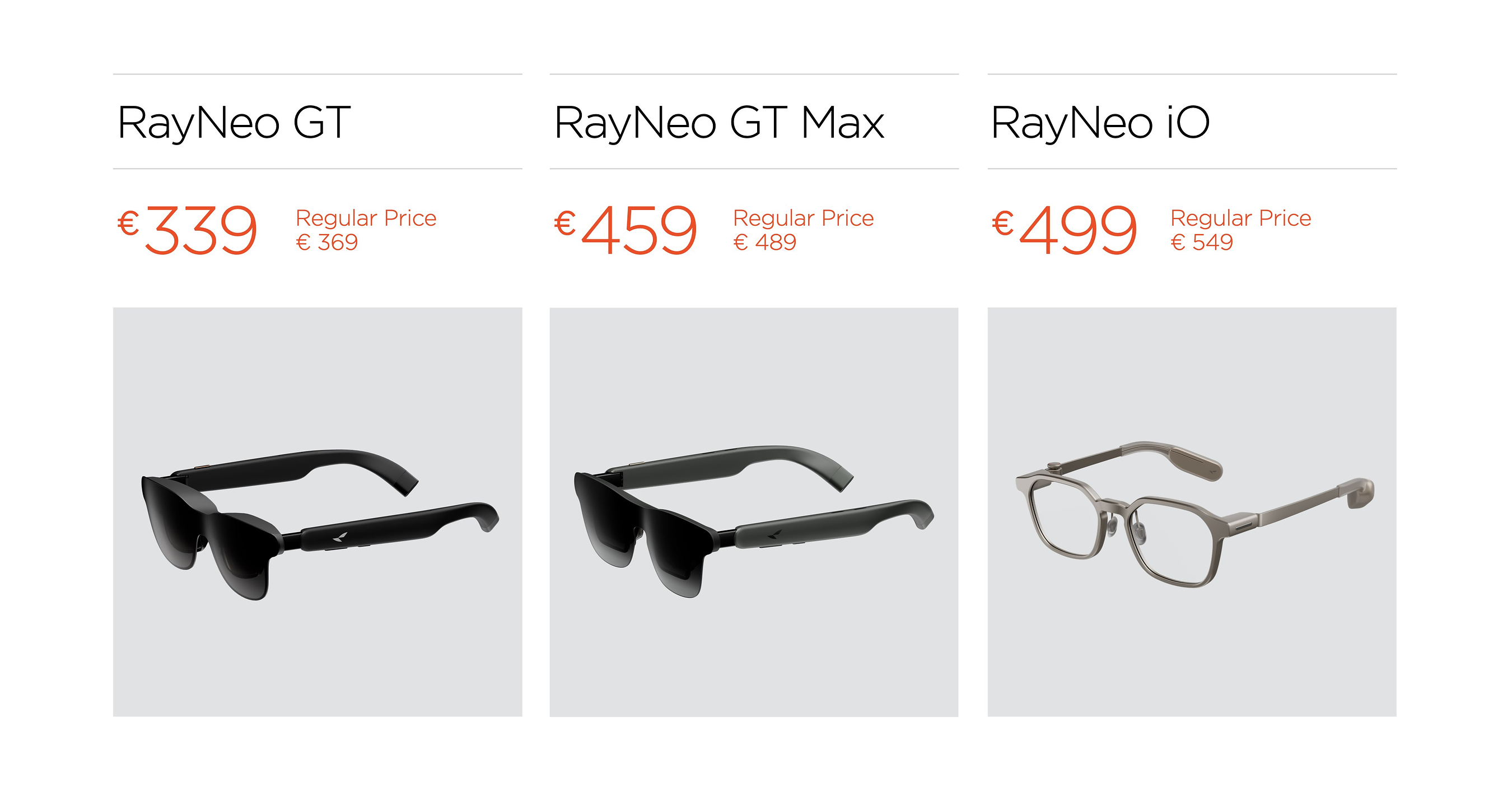
RayNeo hat auf der IFA 2026 die iO Smart-Brille und die GT/GT Max AR-Serie vorgestellt und den Verkauf ab 4. September in 40 Ländern gestartet. Die 33-Gramm-iO bietet KI-gestützte Informationen, Übersetzungen und Sprachzusammenfassungen ab 499 US-Dollar bzw. 549 Euro; die GT-Serie mit Dolby-Vision-Unterstützung kostet ab 329 US-Dollar bzw. 369 Euro. RayNeo verweist auf eine globale Marktführerschaft bei AR-Brillen im ersten Halbjahr 2026, während Dolby und Bang & Olufsen die Positionierung der neuen Geräte im Premium-Unterhaltungssegment unterstützen.
Analysis
The investable read-through is narrow: DLB gains a potential royalty/format-extension channel in wearable displays, but headset volumes would need to move well beyond enthusiast adoption before it matters to consolidated earnings. The more important signal is that premium audiovisual standards are becoming a differentiation layer in sub-$600 wearables; this favors licensors with cross-device content ecosystems over hardware vendors competing on commodity optics and AI features. For BO, the collaboration is strategically useful for brand relevance but unlikely to offset its structurally small scale and volatile consumer-electronics demand.
AMZN is a modest indirect beneficiary only if its marketplace captures launch demand and attached accessories; the revenue contribution is immaterial. The more consequential competitive effect is on Meta (META), which faces a fragmented low-price challenge in display-enabled glasses, while Apple (AAPL) retains an advantage in software integration and developer monetization. RayNeo's claimed shipment leadership should not be extrapolated into durable pricing power: category definitions vary, channel inventory can distort shipments, and international sell-through—not shipments—will determine whether price cuts become necessary.
Over the next 1-3 months, monitor Amazon rankings, review quality, return rates, and evidence of carrier/retail distribution rather than company-reported launch momentum. Over 6-18 months, the key issue is whether translation, notification and recording functions create daily active use; entertainment-only glasses historically face replacement-cycle and content-rights constraints. A weak post-launch retention profile would pressure the entire consumer AR valuation narrative, particularly META suppliers and optical-component names.
Contrarian view: better image and audio may improve demos without solving the adoption bottleneck—battery life, prescription-lens integration, social acceptability, and privacy restrictions. The low price point could expand the category, but it also limits gross-margin headroom and raises the risk that feature parity accelerates commoditization rather than establishes a premium platform.
AllMind Terminal
AI-powered research, real-time alerts, and portfolio analytics for institutional investors.
Request TrialMarket Sentiment
Overall Sentiment
moderately positive
Sentiment Score
0.42
Ticker Sentiment
Key Decisions for Investors
- Maintain a small tactical long DLB versus short a broad consumer-electronics proxy such as XLY for 1-3 months only if wearable-launch sell-through data confirms demand; target a 5-8% relative move, with thesis invalidated by absent follow-on OEM design wins or weaker licensing guidance.
- No directional AMZN trade: marketplace exposure is too immaterial. Set an alert for sustained top-tier category rankings and low-return reviews across the holiday period; only then assess whether advertising, accessories, and fulfillment provide a measurable incremental benefit.
- Avoid treating BO as a launch beneficiary. Its upside is primarily marketing validation, while downside remains tied to discretionary premium-audio demand; revisit only if management quantifies recurring licensing, hardware revenue, or a broader wearable-OEM pipeline.
- Watch META for a more useful second-order signal: if lower-priced display glasses show strong international sell-through through year-end, consider reducing META hardware-margin assumptions rather than shorting the stock outright. Falsifier: Meta demonstrates superior retention, ecosystem attachment, or materially better unit economics in its next hardware update.
More News
- US tech stocks tumble as investors fret over AI spending
- Nasdaq 100 Drops as Oil Rise Fuels Risk-Off Mood
- Markets sell off worldwide as further conflict looms in the Middle East and Elon Musk cuts capex guidance
- Musk's clash with Ukraine accelerates demand for Starlink alternatives. Few exist
- Personal agents like Meta's Muse could fuel AI’s growth — and challenge Amazon and Apple
- What’s the PHP coding flaw that could pull down 70 percent of the internet?