
Starlight Investments gibt den erfolgreichen Abschluss des UK BTR Fund II bekannt
Source: PR Newswire
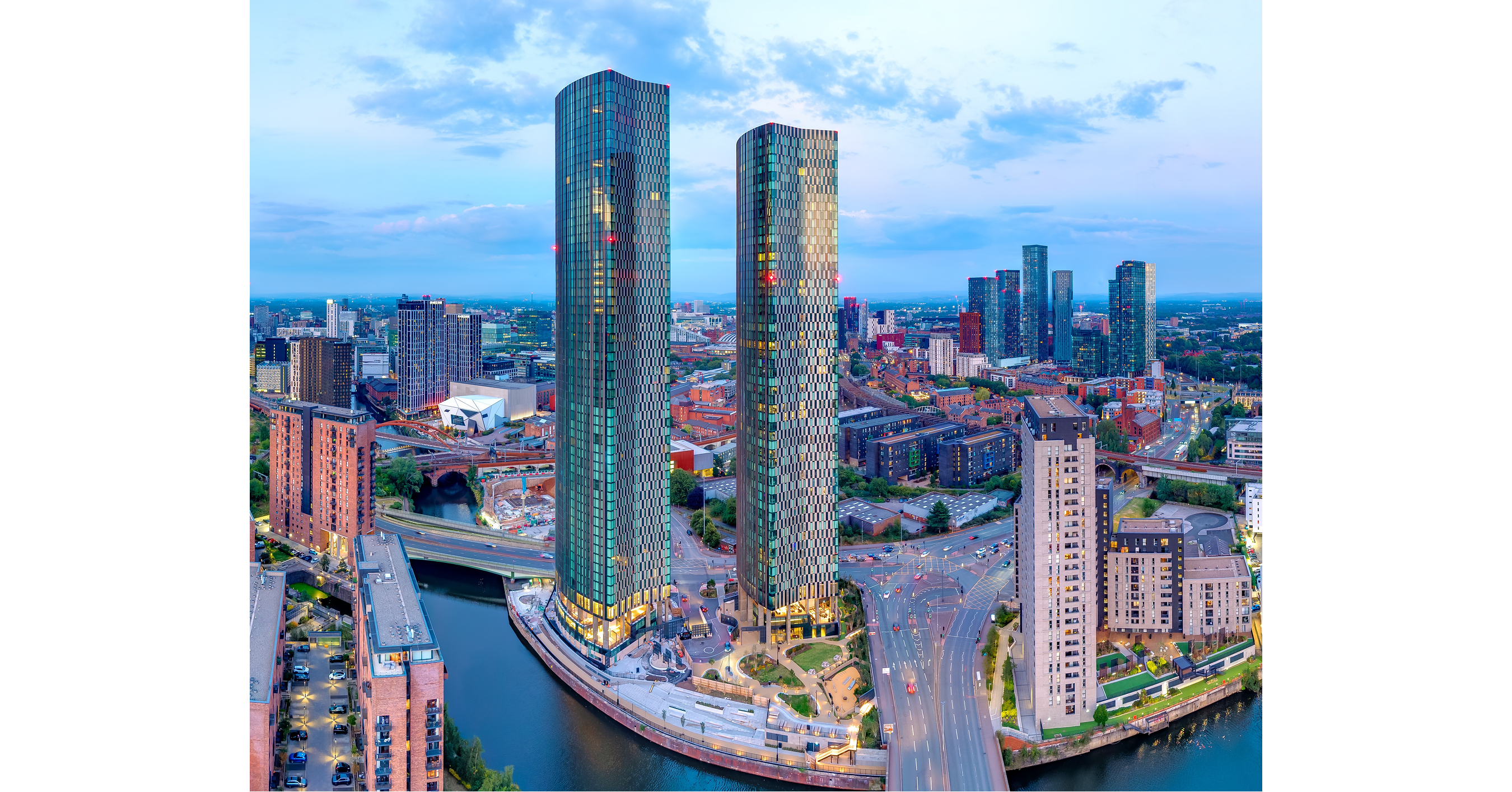
Starlight Investments closed its UK Build-to-Rent Fund II with £680 million of total commitments across the fund and related vehicles, supporting the acquisition and completion of more than 6,000 UK rental homes. The partly invested fund includes three projects under construction in Manchester and Basildon, while a Homes England National Housing Bank commitment underscores public-sector support for expanding rental supply. Starlight has 12 UK BTR projects across development, leasing and operations and expects its portfolio to rank among the UK’s four largest BTR operators by scale.
Analysis
This is a private-capital validation signal for UK rental housing rather than a direct public-equity catalyst. Incremental institutional BTR capital increases competition for stabilized regional multifamily assets and development sites, likely tightening acquisition yields for listed UK landlords with meaningful residential exposure, particularly Grainger (GRI.L), while improving the value of their existing portfolios. The more immediate beneficiaries are likely construction contractors, modular/offsite suppliers and property-management platforms, but the announced capital is modest relative to the UK residential market and deployment timing—not fundraising—will determine the earnings impact.
Over the next 1-3 months, monitor whether additional fund closes or Homes England-backed commitments validate a reopening of institutional capital flows into UK living real estate. A sustained reduction in UK gilt yields would be the key multiple-expansion catalyst: lower debt costs and lower exit yields could lift NAVs for GRI.L and London-focused landlords, but simultaneously inflate land prices and pressure development returns for new entrants. Conversely, higher-for-longer rates, construction-cost inflation, or weaker regional wage growth would impair the underwriting economics before the new units become income-producing.
The consensus risk is treating supply additions as automatically negative for rents. The relevant effect is local and lagged: professionally managed BTR can absorb demand in undersupplied submarkets, but concentrated completions in Manchester could create concession pressure during lease-up over the next 12-24 months. The company’s scale claims and targeted returns are not independently verifiable from the release; no broad UK property-sector trade is justified solely on this announcement.
AllMind Terminal
AI-powered research, real-time alerts, and portfolio analytics for institutional investors.
Request TrialMarket Sentiment
Overall Sentiment
moderately positive
Sentiment Score
0.58
Key Decisions for Investors
- Maintain a watchlist long in Grainger (GRI.L), not an immediate entry: initiate only if UK 10-year gilt yields decline materially and GRI.L reiterates rental-growth/NAV guidance at its next results. Thesis is NAV and financing-cost relief; exit if regional occupancy weakens or management cuts rental-growth expectations.
- Monitor Manchester BTR delivery data and advertised concessions quarterly for 12-24 months. If completions materially exceed absorption, consider a relative short in Manchester-exposed private-development proxies where accessible versus long GRI.L; do not implement without verified submarket vacancy and rent data.
- Use UK REIT ETF exposure (IUKP.L or a liquid UK property-sector proxy) only as a rates trade, not as a response to this fund close. A 50-75bp gilt-yield decline is the catalyst; renewed gilt selloff or widening UK real-estate credit spreads falsifies the setup.
- For private-market diligence, track subsequent acquisition prices and development financing terms from Starlight and peers. Aggressive land pricing or elevated construction debt spreads would indicate that capital availability is being competed away rather than translating into attractive risk-adjusted BTR returns.
More News
- Here’s the ‘core economic flaw’ in the AI bull case as stock and bond trades unravel, according to a top economist
- Braskem creditors, shareholders near deal on $11bn debt restructuring
- Instacart reportedly discussed selling itself with DoorDash and Uber
- Nvidia's role as AI financier faces first big test as neoclouds take market hit
- Trump set to announce plan by Audi to build a U.S. factory in Georgia, source says
- Why popular airplanes are getting scrapped years early