
Die gemeinnützigen Marken von State Grid für den Erhalt der biologischen Vielfalt feiern Premiere auf der UN-Biodiversitätskonferenz (COP17)
Source: PR Newswire
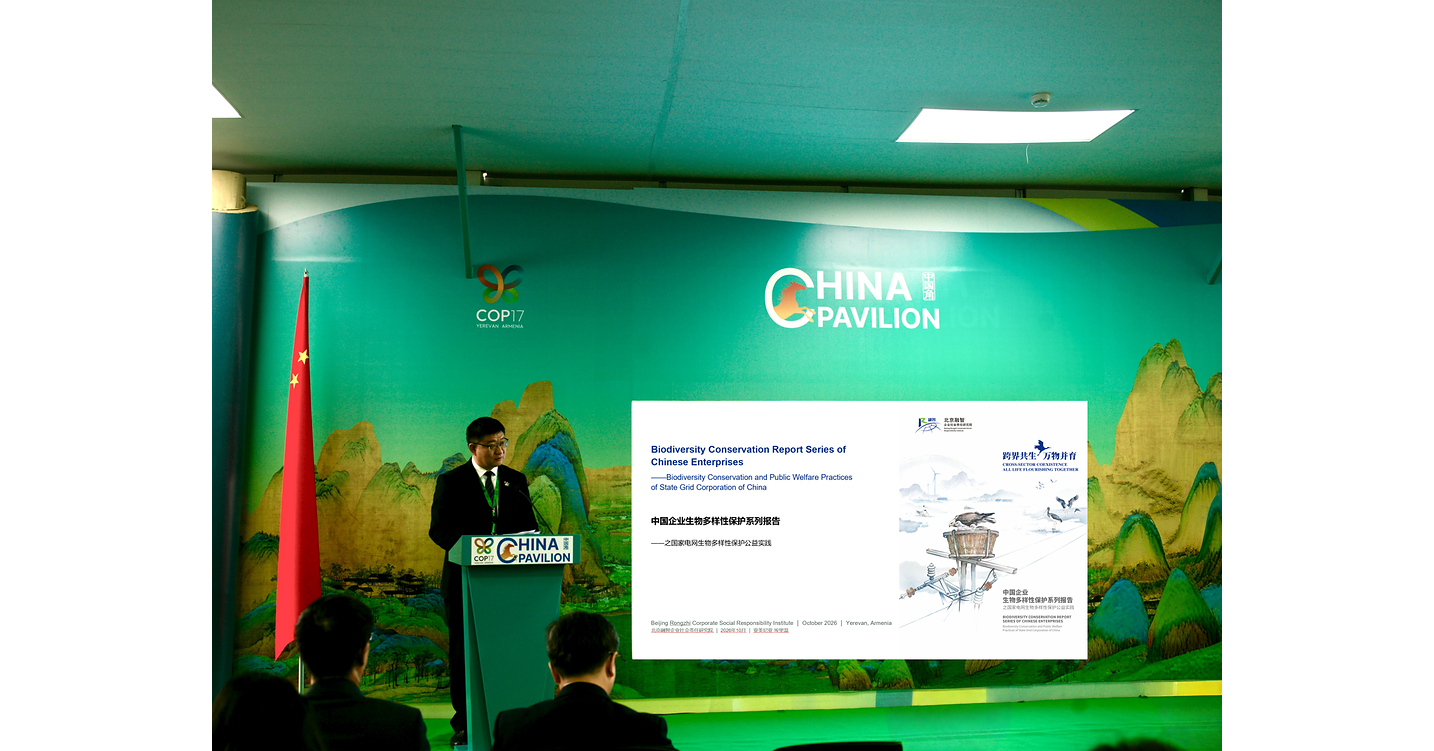
At COP17 in Yerevan, a report highlighted State Grid of China’s biodiversity initiatives: its Bird Protection Network spans 24 provinces and more than 40 migratory-bird habitats and has rescued and protected over 16,000 birds. The company also expanded its Nests of Life project to grassland areas in six provinces and its Green Power Ark to 17 protected areas across nine provinces, supplying carbon-free power through wind-solar-storage microgrids. The announcement describes conservation programs and operating practices, without reporting financial results or market effects.
Analysis
Investment signal is low: this is a State Grid-sponsored visibility event, not evidence of new contracts, mandated standards, or a change in group economics. The second-order opportunity is that biodiversity controls embedded in grid planning and procurement could become a practical permitting advantage: less redesign and fewer construction delays may offset incremental survey, monitoring, and mitigation costs. If requirements spread beyond State Grid, vendors able to document ecological impacts and deliver monitoring, grid automation, or off-grid power systems could benefit—but the article provides no awards or spending data to underwrite that exposure. The reserve microgrid work is unlikely to matter to earnings absent broader procurement at scale.
Near term, expect limited market impact. Over 1–3 months, monitor Chinese grid tenders and environmental requirements for evidence that the showcased approach is translating into enforceable procurement criteria. Over 6–18 months, a wider shift could favor suppliers with verifiable biodiversity-management capabilities, while raising compliance costs for contractors with weak documentation. The contrarian point: investors may overread COP visibility as a regulatory inflection; reputational recognition alone does not establish binding obligations or measurable financial returns. A greenwashing or implementation gap could also undermine the stated model.
AllMind Terminal
AI-powered research, real-time alerts, and portfolio analytics for institutional investors.
Request TrialMarket Sentiment
Overall Sentiment
mildly positive
Sentiment Score
0.30
Key Decisions for Investors
- No direct trade on the announcement. State Grid has no supplied ticker identity, and the article does not quantify incremental capex, savings, or revenue.
- Add Chinese grid-equipment, environmental-monitoring, and microgrid suppliers to a watchlist rather than initiate positions; require named tender wins, contract value, and evidence that biodiversity criteria are scored or mandated.
- Use upcoming grid procurement disclosures and environmental approvals as 1–3 month catalysts. Upgrade the theme only if requirements broaden beyond pilot or showcase projects and appear in recurring tenders.
- Falsification: no measurable procurement adoption over the next 6–18 months, or evidence that added ecological compliance produces delays and costs without reducing permitting friction.
More News
- ‘Whenever I want it to end’: U.S. tells Middle East allies to prepare for possible new strikes on Iran after the midterms
- Spanish PM, facing reelection, says it’s ‘unacceptable’ to suffer two high-speed rail accidents in one year as at least 68 die in collision
- AI’s insatiable appetite for chips helps Samsung rake in a record $80.5 billion in quarterly profit
- Marvell Is Taking an Audacious $80+ Billion Run at Lumentum
- Linde delivers a good quarter and puts in a fix for an overhang on the stock
- Gen Z’s obsession with secondhand clothes is paying off for eBay as its fashion sales with Depop hit $9 billion over the past year