
The Fed may be on the verge of a serious mistake, prominent economists warn
Source: MarketWatch
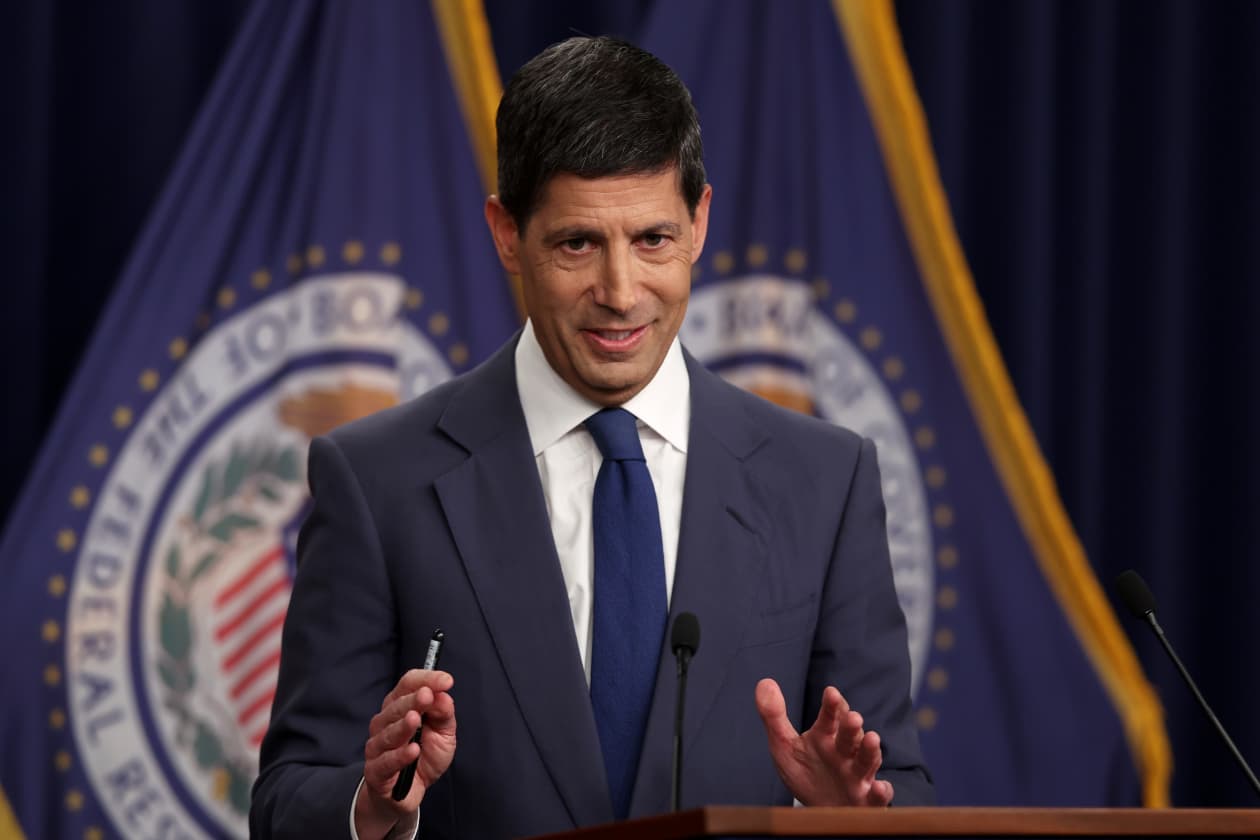
The Federal Reserve is widely expected to raise interest rates at its meeting this week to curb inflation, but prominent economists warn the move could be a serious policy mistake. They argue the economy may be more vulnerable to a sharp growth slowdown than broadly assumed, with tighter policy potentially triggering business layoffs and a recession. A Fed rate decision has market-wide implications for yields, equities, credit conditions and risk sentiment.
Analysis
The asymmetric exposure is not the initial policy move but the refinancing channel over the next 1-3 quarters. Higher-for-longer assumptions pressure Russell 2000 balance sheets, CRE-linked regional banks, and consumer-discretionary issuers with floating-rate debt; the earnings damage arrives through interest expense and tighter credit availability rather than an immediate demand collapse. By contrast, duration-sensitive quality growth and regulated utilities can re-rate if markets begin discounting a sharper eventual easing cycle.
Consensus risk is that a widely anticipated move may be less important than the accompanying guidance and labor-market data. A restrictive surprise can initially lift front-end yields, but a rapid deterioration in employment or credit spreads would likely produce a bull-flattening trade that benefits long duration and hurts cyclicals. This thesis is falsified if core services inflation remains sticky while payrolls and bank lending stay resilient: that combination extends the terminal-rate narrative and makes long-duration exposure premature.
The article alone is not sufficient to establish a directional macro position; the actionable signal is whether high-yield and regional-bank spreads widen after the decision. A policy move without spread deterioration is more likely a rotation event than the start of a recession trade.
AllMind Terminal
AI-powered research, real-time alerts, and portfolio analytics for institutional investors.
Request TrialMarket Sentiment
Overall Sentiment
mildly negative
Sentiment Score
-0.30
Key Decisions for Investors
- Establish a 1-3 month defensive pair only if HYG underperforms Treasuries and KRE breaks below its post-meeting range: long TLT or IEF versus short IWM. The trade targets recession repricing through duration and small-cap refinancing stress; exit if credit spreads retrace and payroll data remain firm.
- Use defined-risk optionality rather than outright duration before the decision: buy 2-3 month TLT call spreads, funded only partially with out-of-the-money puts. Maximum loss should be limited to premium; the payoff requires a meaningful downward revision to the rate path rather than merely a dovish statement.
- Avoid adding broad regional-bank exposure through KRE until deposit-cost trends, CRE loss reserves, and loan-growth guidance are independently verified in earnings. A post-decision rally without improvement in those metrics is a potential short-the-rally setup over 3-6 months.
- If the policy communication is restrictive but 2-year yields fall and HYG/KRE weaken simultaneously, increase the long-duration/short-cyclical hedge. That cross-asset divergence would indicate markets are pricing policy error rather than sustainable disinflation.
More News
- Trump says calls for more control on AI are a ‘SICK conspiracy’
- Counting the votes: Warsh faces a tough battle as the Fed girds for expected interest rate hike
- Not all tech is under fire in Monday's selling, while investors seek refuge in defensive stocks
- The stock market could do something strange this week after the Fed decision
- The 10-year Treasury yield just hit 5%. How income investors can profit
- ‘Crazy days’ and ‘silly season’ in the stock market raise the prospect of a ‘late-stage’ AI bubble finally popping