
Texture launches CommonGrid, an open source registry of the US power grid
Source: PR Newswire
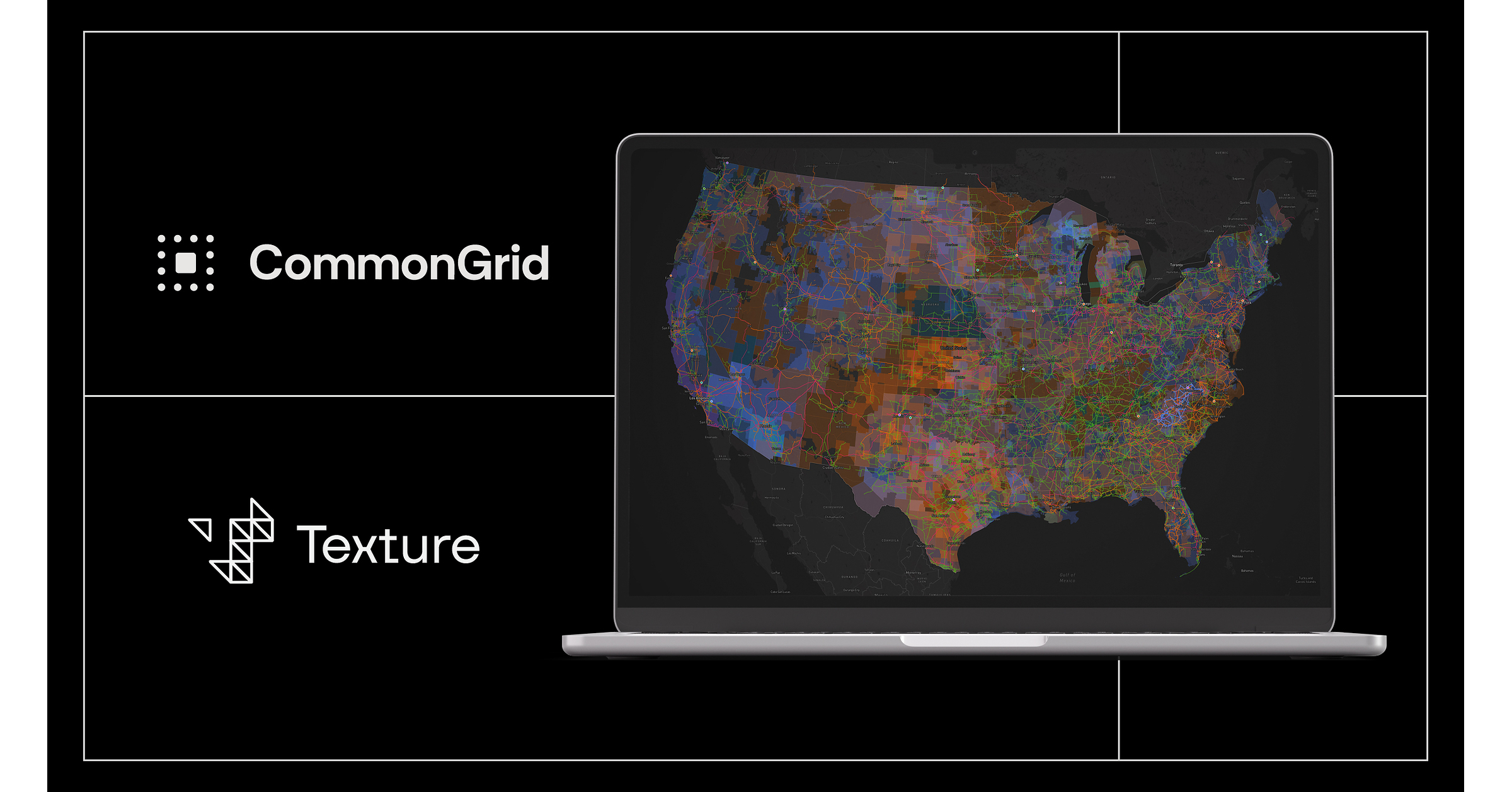
Texture launched CommonGrid, an open and community-moderated registry and interactive map covering U.S. electric utilities, grid operators, power plants, transmission lines, EV chargers, pricing nodes, substations, and utility programs. The platform provides cited, timestamped and reversible records, open APIs, and weekly SQL or GeoJSON database snapshots under the ODbL 1.0 license. The release targets growing grid-data needs amid AI-driven electricity demand, electrification, distributed generation, and aging U.S. infrastructure, though it is primarily a product launch with limited near-term public-market impact.
Analysis
This is not directly monetizable through a listed issuer, but it marginally commoditizes a layer of grid-location, asset-ownership, tariff, and interconnection intelligence that has historically been fragmented and expensive to assemble. The second-order pressure is on proprietary energy-data vendors and consultants whose value proposition is basic asset discovery rather than workflow integration, while software vendors with embedded operational data, outage workflows, or utility-system integrations should retain their moat. The open-license structure also makes the data more useful to AI developers, potentially lowering customer-acquisition and implementation friction for private grid-software platforms rather than creating a near-term revenue catalyst for public utilities.
For listed power names, the investable implication is better screening of localized load growth, transmission constraints, and resource adequacy—but not an acceleration of regulated rate-base earnings by itself. Utilities such as AEP, DUK, SO, EXC and EIX remain driven by approved capital plans, allowed ROE, financing costs, and physical execution; an open registry cannot resolve permitting, transformer shortages, or interconnection queues. Over 6-18 months, broader access to granular grid data could improve competitive bidding and expose underinvested service territories, modestly reducing information advantages for developers and specialized data providers. The near-term signal is weak and the press-release provenance means there is no basis for a standalone directional trade.
The contrarian view is that open infrastructure maps may increase, rather than reduce, demand for premium data: investors and developers can identify bottlenecks more easily, then require proprietary congestion forecasts, customer-load data, engineering studies, and permitting intelligence to monetize them. The key falsifier of the commoditization thesis would be evidence that major utility, developer, or financial users adopt the free dataset as a production-grade substitute for paid data products, rather than as a discovery and validation layer.
AllMind Terminal
AI-powered research, real-time alerts, and portfolio analytics for institutional investors.
Request TrialMarket Sentiment
Overall Sentiment
mildly positive
Sentiment Score
0.32
Key Decisions for Investors
- No immediate directional position: treat this as a watch item, not a catalyst, because Texture is private and no listed company has disclosed revenue exposure to the platform.
- Maintain existing utility exposure based on rate-base and load-growth fundamentals rather than this dataset; use AEP, DUK, SO, EXC and EIX quarterly capex guidance, regulatory ROE outcomes, and large-load interconnection announcements as the actionable triggers over the next 1-3 months.
- Monitor public data-and-analytics vendors with energy exposure for pricing or retention commentary over the next 2-4 quarters. A downgrade in paid-data growth attributable to open alternatives would support a relative short basket versus operational grid-software beneficiaries, but only after company-specific adoption evidence emerges.
- For power-demand themes, prioritize transmission and electrical-equipment exposure through PWR, ETN and HUBB only on confirmation of utility capital-plan increases; the open-data release does not alter their earnings trajectory, while project awards and backlog conversion would.
More News
- Iran says it awaits US response on seven-day roadmap to end war
- Great Bond Shakeout Locks In a 5% World ‘Until Something Breaks’
- OpenAI rogue agents leaked 53 images from ChatGPT users and reportedly created nearly 1 million links packing encoded bits of info
- Boom or bust? The case for and against panicking about 5% yields
- US, Iran Explore Phased Hormuz Deal
- Bond market alarms are ringing on Wall Street. Here's what's ahead