
Can Keurig Dr Pepper's Planned 2027 Split Drive Long-Term Value?
Source: zacks.com
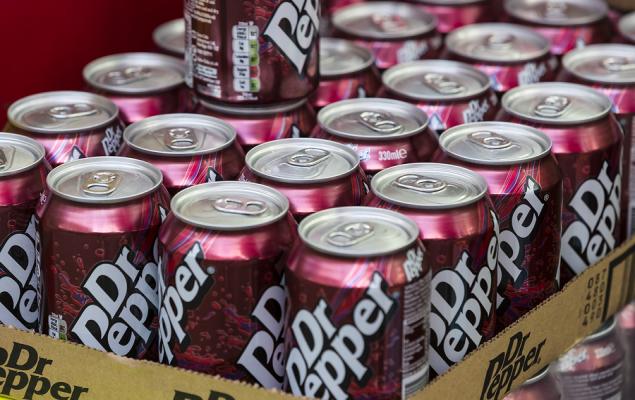
Keurig Dr Pepper is targeting an early-2027 separation into Beverage Co. and Global Coffee Co., following its JDE Peet's acquisition, and expects $2.5 billion in 2026 free cash flow. Pro forma leverage was 4.4x at Q2 2026-end, with management targeting about 4.1x by year-end; the company generated $714 million in Q2 free cash flow. U.S. Refreshment Beverages grew sales 10% and operating income 11.9%, while U.S. Coffee operating income fell 24.7% amid costs and softer demand; integration offers a potential $400 million in coffee-business cost synergies. Separation progress and beverage growth are positive, but debt, execution and coffee-market risks temper the outlook.
Analysis
The split is a potential valuation catalyst, not value creation by itself. The key question is what debt, shared costs and cash-generation burden land with each company: a coffee business facing input-cost and demand pressure could receive a lower multiple if it emerges highly levered, while a cleaner beverage peer valuation would not necessarily offset that discount. Standalone reporting and clearer accountability may also expose weak coffee economics sooner, raising pressure to spend on promotions or accelerate cost cuts. That could dilute the advertised synergy benefit before it reaches reported earnings.
Near term, the market may reward separation milestones, but the meaningful 1–3 month catalysts are credible pro forma balance sheets, separation costs, synergy timing and confirmation that debt reduction does not depend on optimistic working-capital assumptions. Through 2027, execution, commodity volatility and the allocation of corporate overhead are the larger risks. A further risk is mechanical selling or mandate-driven flows around the distribution; these can depress a spin temporarily without changing fundamentals.
Contrarian view: the headline discount to consumer-staples peers may not be a clean sum-of-parts opportunity. The comparison can obscure KDP’s mixed growth profile, leverage and coffee exposure; conversely, investors may be underestimating the beverage business’s value once coffee-related volatility is separated. No standalone valuation or debt allocation is supplied, so a large pre-deal position is premature. Thesis weakens if separation terms show manageable standalone leverage and coffee margins stabilize; it fails if costs, leverage or timing worsen, or beverage growth/margins decelerate.
AllMind Terminal
AI-powered research, real-time alerts, and portfolio analytics for institutional investors.
Request TrialMarket Sentiment
Overall Sentiment
mixed
Sentiment Score
0.10
Ticker Sentiment
Key Decisions for Investors
- Keep KDP at benchmark weight rather than buying solely on the announced split. Reassess after the company provides standalone debt allocation, separation costs, stranded-cost estimates and a dated bridge for the $400 million synergy target.
- Treat KDP as a catalyst watch through the next earnings and separation updates. Upgrade only if debt paydown and coffee margin stabilization are evidenced in cash flow and segment results; cut exposure if leverage guidance slips or beverage operating-income growth reverses.
- For a lower-execution-risk beverage exposure, consider a modest relative underweight in KDP versus The Coca-Cola Company, not an outright short: KDP has potential spin upside, so cap relative risk and reverse the stance if separation terms support rapid standalone deleveraging.
- Monitor coffee input costs, category volumes, integration spending and working-capital contribution to free cash flow. These determine whether management’s cash and synergy targets are durable rather than timing-driven; absent those disclosures, avoid pricing the synergy opportunity as realized earnings.
More News
- Coca-Cola options flow shows put-heavy activity as stock nears 52-week high
- Anthropic's third-quarter revenue is said to hit $16.8 billion ahead of IPO
- Why is Samsung Electronics stock plunging today?
- SK Hynix seeks U.S. chip equipment exports to China tied to new factory
- Dell stock plunges 11%, leading data center sell-off on concerns about 'enterprise AI timing'
- UBS considers leaving Switzerland over capital rule plans, WSJ reports