
Cove Capital Investments Acquires Industrial Distribution Center in Birmingham, AL to Complete the Formation of Its Cove Birmingham Industrial DST 129 Offering
Source: PR Newswire
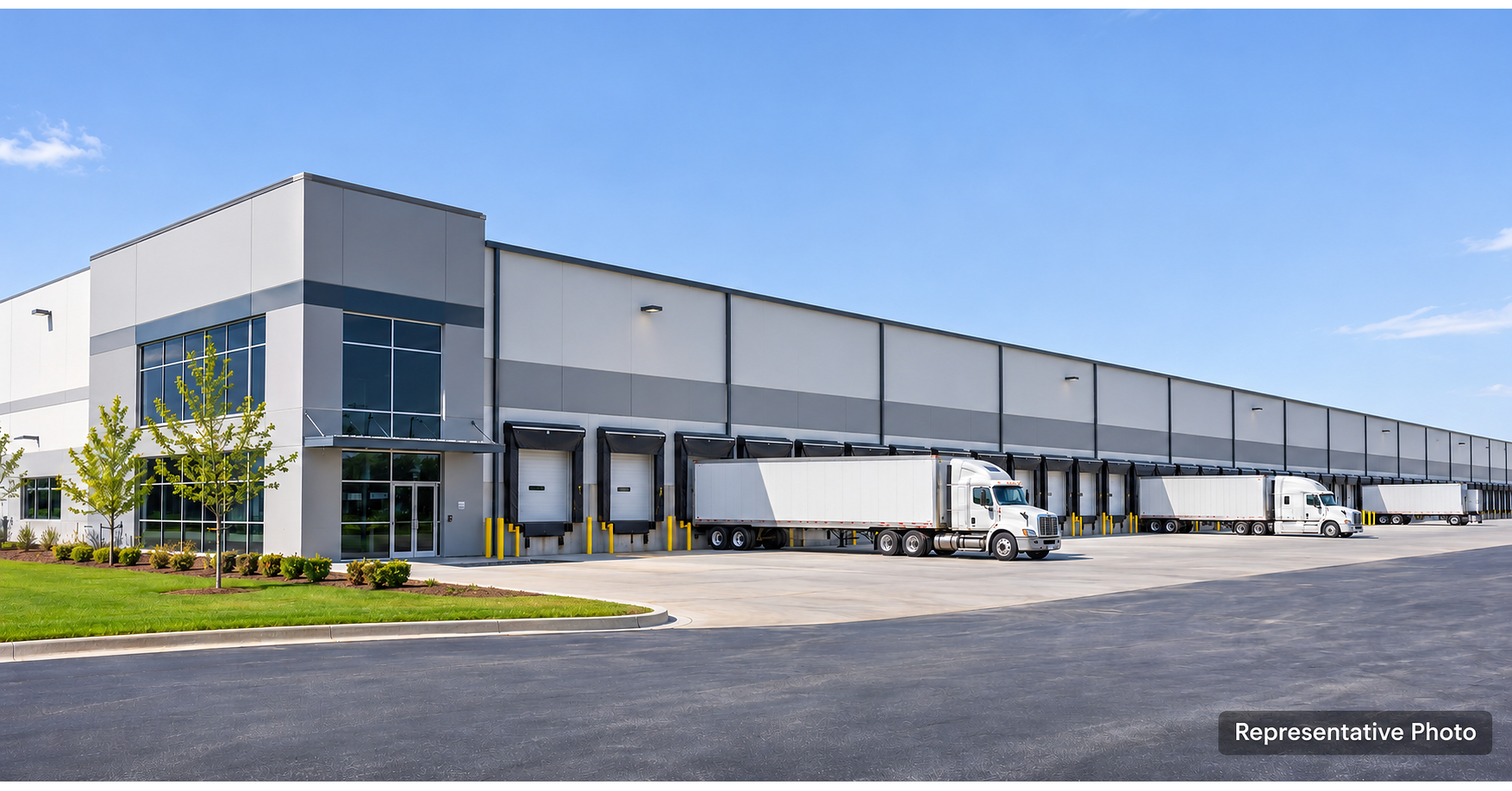
Cove Capital completed the acquisition of a 90,465-square-foot Birmingham industrial distribution center, completing formation of its Cove Birmingham Industrial DST offering, which targets an $11,333,949 equity raise. The property is 100% leased to a multinational logistics company rated BBB by S&P; the tenant has occupied it since 1997 and recently extended its lease for 10 years. The announcement is a property-level offering update, with no investment performance or market reaction reported.
Analysis
The useful signal is asset-level, not a read-through to listed logistics equities: a long-standing tenant’s ten-year extension lowers near-term leasing risk for this property, but does not establish that Birmingham rents, industrial values, or logistics demand are accelerating. The tenant is unnamed, and the release provides no purchase price, rent, escalation schedule, cap rate, or lease-expense allocation; without those, the extension cannot be translated into a return or valuation claim.
The more important counterweight is concentration. Investors in a single-asset DST bear one-tenant and one-location exposure, while the reported BBB rating is not a guarantee against tenant deterioration or lease renegotiation. A net lease may limit some operating-cost volatility, but verify which maintenance, insurance, tax, and capital obligations remain with the owner—particularly for a facility built in 1997. Thirty dock doors and heavy-freight functionality may support reuse, yet specialized layouts can also make re-leasing costly if the tenant exits.
Near term, this is too small and opaque to support a public-market trade. Over 1–3 months, offering terms and independent property/lease diligence matter more than the sponsor’s location narrative. Over 6–18 months, watch tenant credit, lease performance, industrial vacancy/rent trends, and cap-rate movement: higher rates or weaker leasing economics could impair exit value even with no property-level mortgage. Contrarian point: lease duration reduces vacancy risk, not necessarily total-return risk; a long lease with weak or absent rent escalators could lock in inadequate income.
AllMind Terminal
AI-powered research, real-time alerts, and portfolio analytics for institutional investors.
Request TrialMarket Sentiment
Overall Sentiment
mildly positive
Sentiment Score
0.25
Key Decisions for Investors
- No directional trade in listed REITs or logistics stocks from this transaction alone; the asset and capital raise are too small and the economics undisclosed.
- Treat the DST as a diligence item, not a validated yield opportunity. Before considering exposure, obtain the purchase price, in-place rent and cap rate, rent escalators, lease-expense responsibilities, tenant identity/credit detail, sponsor fees, distribution assumptions, and exit restrictions.
- Monitor industrial REIT fundamentals and regional leasing data over the next 6–18 months. A sustained rise in vacancy or decline in rents would weaken the re-leasing backstop; stable occupancy and rent growth would support, but not prove, the asset thesis.
- Reassess if tenant credit weakens, the lease contains limited rent increases, or diligence reveals material deferred maintenance/capital obligations. Those are more direct thesis-breakers than the property’s headline lease term.
More News
- Binance co-CEO Richard Teng says hackers used fake job interviews, AI tool to steal $6.3 billion in crypto 108511116
- AMD stock jumps 7% on earnings as data center revenue nearly doubles
- Marvell Technology could plunge on latest multibillion-dollar acquisition
- Disney Plans Thousands of Layoffs Companywide
- AI Inference Startup Fal Raises Capital at $16 Billion Valuation
- AMD rides data center riches to ‘largest and most profitable’ quarter in history