
Midterms Spending Binge by Musk, Crypto and AI Hit Voter Wall
Source: Bloomberg
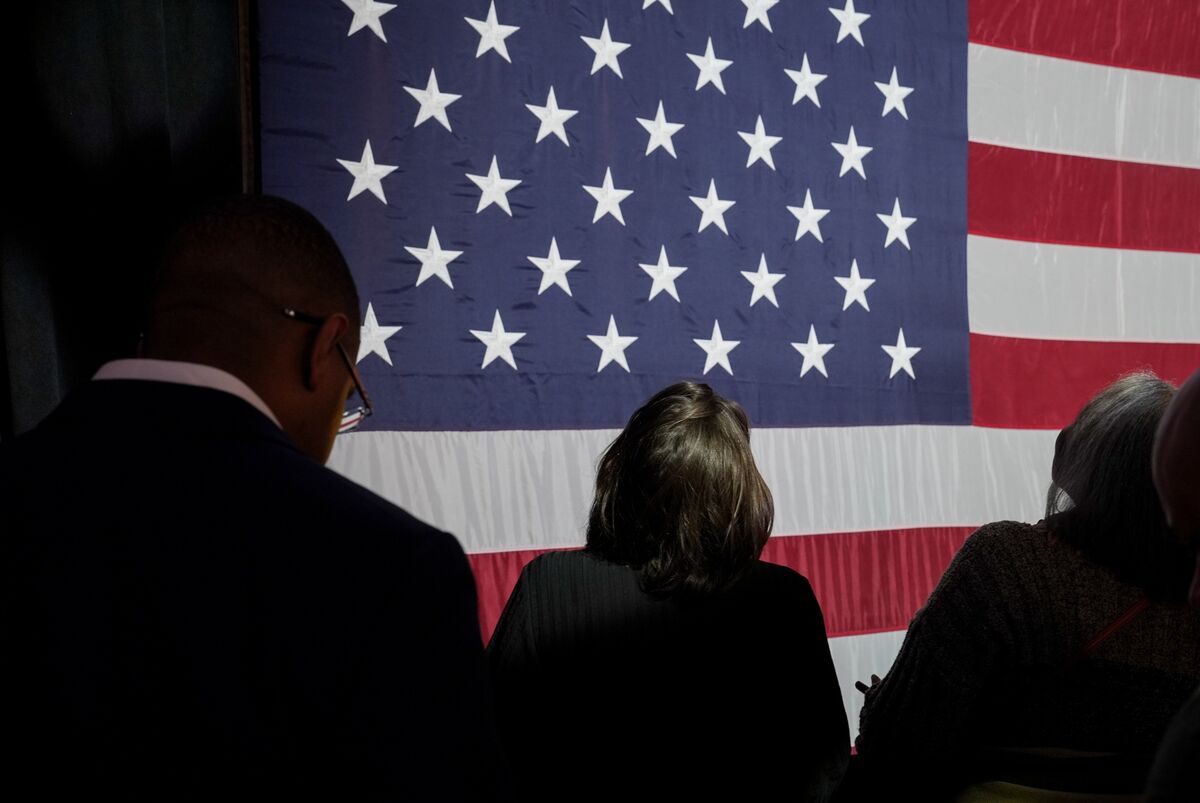
Elon Musk, the crypto industry and AI backers spent hundreds of millions of dollars on key US midterm races from Texas to Ohio, but came up short in most contests. Voter frustration over the economy, including technology’s effects on jobs and communities, outweighed the spending; the article gives no specific market reaction.
Analysis
The investable signal is about the limits of political spending as a hedge—not evidence that crypto or AI policy has already shifted. If donors infer that large checks buy little electoral influence, near-term political spending and access strategies could be reassessed; more importantly, technology-linked voter concerns may increase the political cost of visibly favoring industry over workers and communities. That raises a conditional risk of tougher scrutiny at state and federal levels, but the article does not establish which party or policy agenda gained ground.
Over the next few weeks, any reduction in campaign-ad demand is a narrow, event-driven effect; the article provides no spending breakdown to size it. Over 1–3 months, watch whether elected officials translate voter frustration into hearings, bills, or enforcement priorities. Over 6–18 months, the structural risk is a less predictable policy environment for crypto and AI, potentially weighing on sector multiples before it changes cash flows. The counterpoint: one election is not proof that voters reject these industries broadly, and donor influence may shift toward lobbying or state-level campaigns rather than disappear. Falsify the risk thesis if election outcomes and subsequent legislative agendas show no increased scrutiny or if industry-friendly measures continue advancing.
AllMind Terminal
AI-powered research, real-time alerts, and portfolio analytics for institutional investors.
Request TrialMarket Sentiment
Overall Sentiment
mildly negative
Sentiment Score
-0.20
Key Decisions for Investors
- No direct trade on this article alone: it supplies neither election outcomes nor a specific policy change, so avoid treating it as a confirmed bearish catalyst for crypto or AI.
- Put crypto- and AI-policy-sensitive positions on watch for a 1–3 month catalyst: track committee agendas, legislation, enforcement signals, and state-level proposals; reduce exposure only if these indicate a material shift, not on donor-spending headlines.
- Treat political-advertising exposure as a short-lived watch item, not a position, until company disclosures or campaign-spending data establish whether post-election demand meaningfully changes revenue expectations.
- Contrarian check: do not assume industry influence has vanished; monitor whether spending migrates to lobbying and state races, which could preserve policy access despite weaker returns from high-profile campaigns.
More News
- What Wall Street billionaires are saying about Democrats' midterm sweep
- NextDC shares surge 43% after Goodman, Digital Realty stake purchases
- Voters rebuff data centers in every ballot measure except one during the 2026 midterms
- Asian chip stocks slide as disappointing Qualcomm, Arm earnings weigh
- Oil and data centre stocks sink after US midterms
- China Blocks SoftBank Acquisition of ABB Robot Unit, FT Says