
El Yidan Prize 2026 reconoce a los agentes del cambio que están redefiniendo la educación y los cuidados en la intersección entre la salud, la nutrición y la economía
Source: PR Newswire
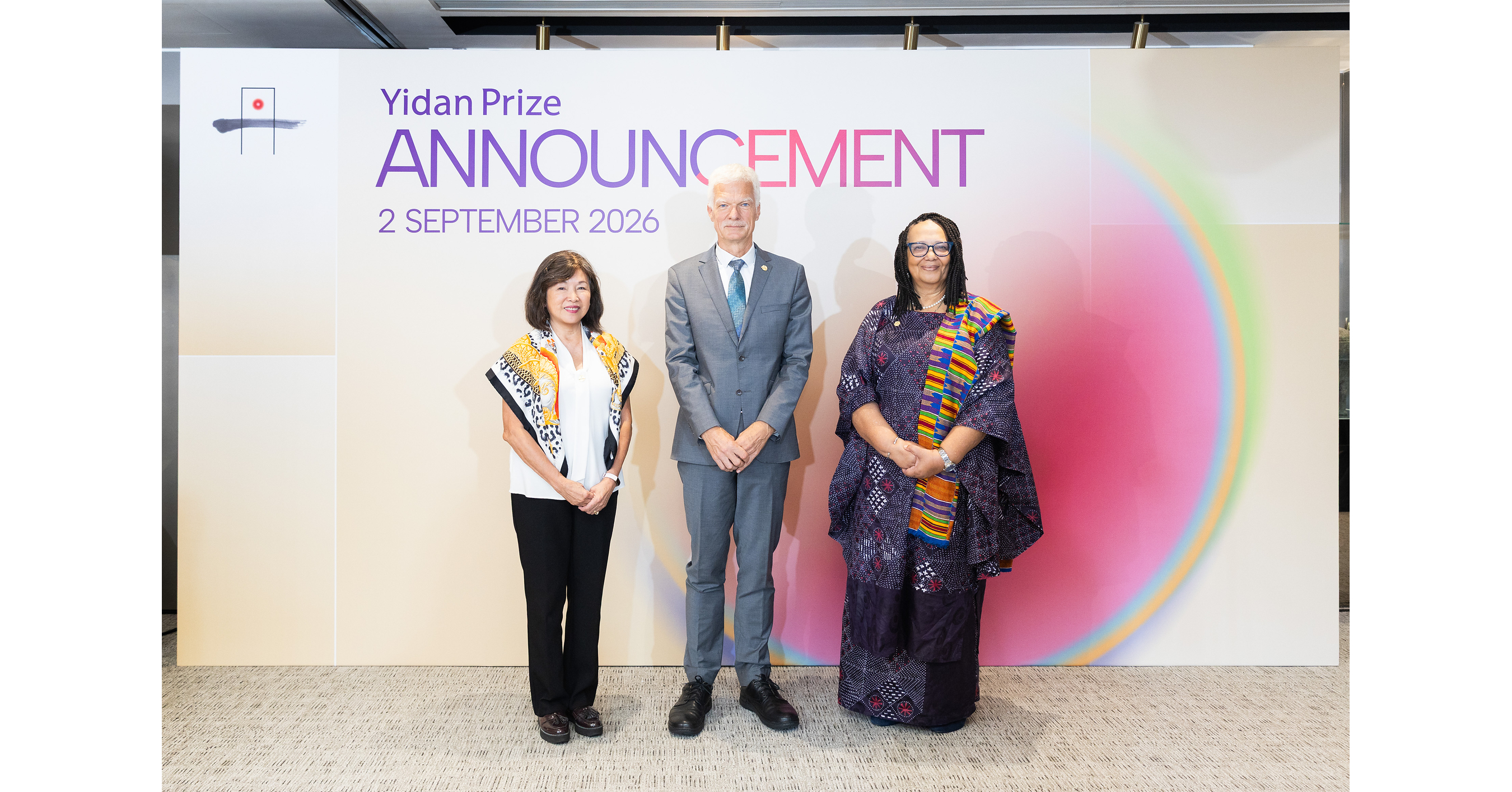
The Yidan Prize Foundation announced the 2026 winners: Prof. Paul W. Glewwe for Educational Research and Susan P. Walker, Sally Grantham-McGregor, and Susan M. Chang-López for Educational Development. Each award totals HK$30 million (~$3.8 million), split into HK$15 million cash plus HK$15 million in unrestricted project funding, while the foundation has distributed HK$600 million (~$77 million) since 2017. The news is philanthropic/recognition-focused with no direct financial market impact.
Analysis
This is a sentiment-positive but economically thin headline: it signals where policymakers and donors want the conversation to go, not where near-term revenue will show up. The investable read is that the market may briefly reward anything branded as evidence-based learning or early-childhood development, but without a budget line, procurement framework, or reimbursement channel, the cash-flow impact on public equities is usually zero-to-minimal over the next 1-3 months.
The more interesting second-order effect is on funding allocation. If this theme gains traction, capital is more likely to flow toward low-cost, outcome-measured interventions, implementation partners, assessments, and data systems rather than expensive curriculum platforms or hardware-heavy school buildouts. That is mildly supportive for operators with existing public-sector distribution and for companies selling measurement/diagnostics, but it is not a clean catalyst for consumer edtech or for-profit tutoring names.
Contrarian view: the consensus often overstates how quickly philanthropic recognition converts into scalable adoption. The structural effect could matter over 6-18 months if multilateral agencies and ministries adopt these models, but the reversal risk is high because education budgets are slow-moving and highly local. Fading any sympathy pop makes sense unless we see an actual procurement cycle, grant allocation, or policy pilot tied to a listed beneficiary.
AllMind Terminal
AI-powered research, real-time alerts, and portfolio analytics for institutional investors.
Request TrialMarket Sentiment
Overall Sentiment
mildly positive
Sentiment Score
0.12
Key Decisions for Investors
- No immediate listed-equity trade; treat as a policy/ESG watch item only. Do not force exposure in DUOL, CHGG, or other edtech names on this headline alone.
- Set a 1-2 quarter alert on KLC and BFAM as the closest public proxies for early-childhood investment sentiment; only consider a tactical long if you see real subsidy expansion, contract wins, or reimbursement support. Without that, expected upside is <5% and likely fades.
- If the theme later converts into actual public funding, consider a small basket long KLC/BFAM vs short CHGG as a quality-vs-outcomes pair; target 1:1.5 risk/reward, but only after a verifiable policy catalyst.
- Watch for any World Bank/UNICEF/ministry procurement tied to developmental screening, caregiver coaching, or early-childhood programs; that is the first falsifier/confirming catalyst for monetization.
- Fade a sympathy rally if no follow-through appears within 5-10 trading days; absent budget language, the headline is unlikely to alter 2026-2027 earnings estimates.
More News
- Indonesian stocks plunge to six-year low as MSCI downgrade fears mount
- Nifty Bank Heavyweights HDFC, ICICI in Focus After Weekend Earnings
- Putin reportedly suggests summit with Trump and Xi to decide fate of Ukraine
- China's CXMT sees shares drop over 6% as investors look past chipmaker's profit turnaround
- Asian stocks skid, Wall Street and bonds aided by oil slip
- Australia’s Cleanaway agrees to $6.5 bln EQT buyout bid; shares surge
From AllMind Research
- Anthropic IPO Preview: Valuation, Timing, and What to Watch
- Shein After the IPO: Venue, Valuation, and What Must Be Proved
- What AI Research Tools Should a Small Hedge Fund Buy First?
- Weekly Update: Advanced Search Filters, Redesigned Ticker Dashboard, and Improved Search Experience
- How to Build an Automated Research Process for a Fund