
FL Technics Indonesia Secures EASA Certification for Bali Hangar, Expanding Capabilities to European Fleets
Source: PR Newswire
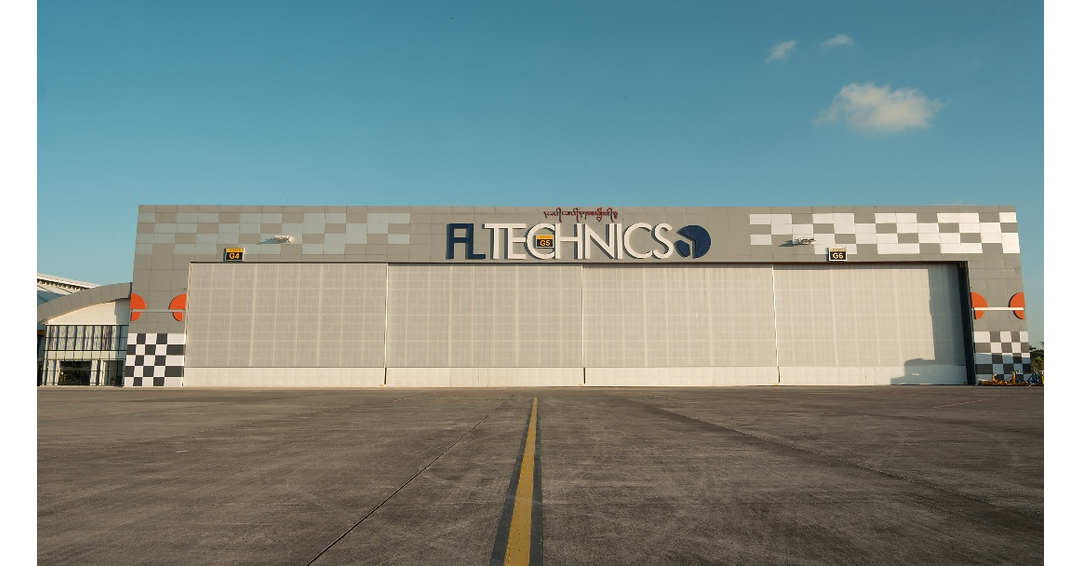
FL Technics Indonesia received EASA Part-145 approval for its Bali facility, permitting base and line maintenance of EU-registered Airbus A320-family and Boeing 737 aircraft. The certification expands access to European carriers and other operators requiring EASA-approved maintenance; the company said work for an EU-based operator is expected to begin the following week, with further arrivals expected in November 2026. The Bali site spans 17,000 m² and has three aircraft bays.
Analysis
The equity signal is primarily about incremental MRO competition, not aircraft demand. EASA approval makes Bali a more credible option for EU-regulated operators, potentially adding price and turnaround-time competition for established Asian maintenance hubs such as Singapore. Airlines could benefit if the added capacity wins work at attractive rates and reduces aircraft downtime; incumbent MRO providers face the opposite risk. Neither outcome is established by certification alone: utilization, labor availability, customer retention, and realized pricing determine whether this becomes meaningful capacity or simply a credential.
For Boeing and Airbus, the effect is immaterial absent evidence of a material change in aftermarket economics or fleet demand. The approval covers aircraft from both manufacturers, so it does not create an apparent OEM-specific advantage. The company’s stated imminent customer work is a catalyst to verify, not proof of recurring revenue.
Near term, watch for confirmed operator activity and repeat bookings; over 1–3 months, evidence of bay utilization and additional customer wins would validate the competitive threat to regional MROs. Over 6–18 months, sustained scale could pressure pricing at competing facilities, but certification, staffing, and execution constrain how quickly capacity converts into delivered work. The contrarian point: market attention may overstate the significance of a certification announcement while understating the potential for gradual regional price competition if the facility achieves repeat utilization. Thesis weakens if expected work does not materialize, or if staffing/throughput limits prevent repeat visits.
AllMind Terminal
AI-powered research, real-time alerts, and portfolio analytics for institutional investors.
Request TrialMarket Sentiment
Overall Sentiment
moderately positive
Sentiment Score
0.45
Key Decisions for Investors
- No trade in BA or AIR on this announcement: the effect is too indirect to change either OEM’s earnings outlook without evidence of material aftermarket or fleet-demand impact.
- Put regional MRO competition on watch rather than shorting an incumbent: verify repeat customer visits, utilization, pricing, and turnaround performance before expressing a view. The article provides no contract economics or volume data.
- Treat the announced near-term customer activity as a 1–3 month validation catalyst. If it fails to convert into repeat work, the certification is likely a limited competitive signal; sustained bookings and utilization would support a more meaningful pressure thesis for established Asian MRO providers.
More News
- J&J's potential 'game-changer' drug — plus, what Microsoft's mass buyouts mean
- Boeing forecast to post small quarterly loss despite recent wins, analysts say
- Boeing Losses Expected To Narrow. Defense Awards, 737 Certification, Deliveries In Focus.
- Jim Cramer's top 10 things to watch in the stock market Monday
- Stock futures are little changed after Wall Street starts the week on a winning note: Live updates
- Trading Day: AI light, Brazil flight