
Ballard FCmove®-SC fuel cell engine makes series-production debut in next-generation Solaris Urbino 12 hydrogen bus
Source: PR Newswire
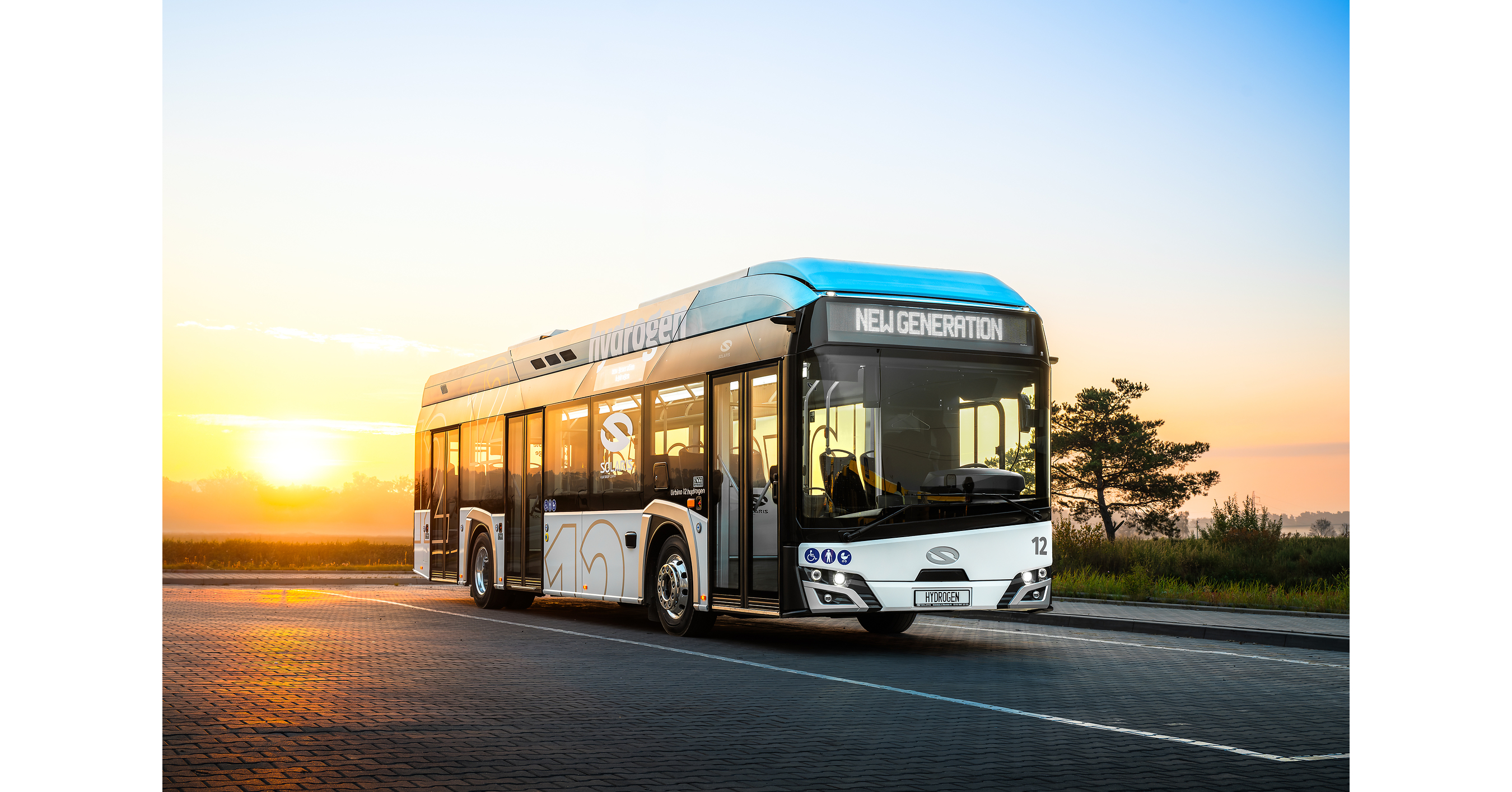
Ballard Power Systems announced that its FCmove®-SC fuel cell engine will enter series production in the new-generation Solaris Urbino 12 hydrogen bus, following an extension of the companies’ long-term supply agreement. Ballard says the engine has 57% higher volumetric power density, 40% fewer parts, up to 80kW rated power and a specified lifetime exceeding 25,000 operating hours. The launch supports Ballard’s hydrogen-transit offering, but the release provides no delivery volumes or financial terms.
Analysis
The investable signal is lower integration friction, not yet demonstrated fleet economics. A production-intent engine inside a Solaris platform could make fuel-cell buses easier for manufacturers to specify and service; if replicated across fleets, this may improve Ballard’s odds of converting technical credibility into recurring engine and support revenue. But the release does not establish order volume, delivery timing, realized costs, or service attachment. The cited design changes are company claims, not evidence that operators’ total cost of ownership now beats battery-electric alternatives.
The second-order constraint remains hydrogen availability and price: better bus packaging cannot fix weak refuelling utilization or expensive fuel, so deployment economics depend on municipal procurement, infrastructure, and contracted hydrogen supply. Solaris may gain a differentiated zero-emission offering, while battery-electric bus suppliers face a stronger bid option in routes where range, charging access, or duty cycles favor hydrogen. That is route-specific substitution, not evidence of broad displacement.
Near term, expect limited fundamental repricing absent firm fleet awards. Over 1–3 months, watch for named customer orders, production deliveries, and procurement awards. Over 6–18 months, the thesis requires repeat deployments and evidence that lifecycle support adds durable revenue without eroding margins. Key risks are delayed production, subsidy or procurement changes, weak hydrogen economics, and battery-bus cost improvements. The contrarian point: a technically improved engine can be strategically useful while remaining financially immaterial if adoption does not scale.
AllMind Terminal
AI-powered research, real-time alerts, and portfolio analytics for institutional investors.
Request TrialMarket Sentiment
Overall Sentiment
mildly positive
Sentiment Score
0.35
Ticker Sentiment
Key Decisions for Investors
- No immediate trade on this announcement alone: it supplies no order quantity, revenue contribution, or independently verified operator cost savings.
- Treat BLDP as a catalyst watch. Reassess only when Ballard reports Solaris-linked deliveries or awards and discloses evidence of backlog conversion, gross-margin progress, or service revenue; verify whether support is contracted fleet-by-fleet.
- For a conditional long thesis over 6–18 months, require repeat fleet wins and credible deployment economics. Falsify it if deliveries slip, transit awards favor battery-electric buses on comparable routes, or Ballard’s reported results fail to show improving commercial conversion.
- Monitor hydrogen supply contracts and refuelling utilization alongside bus orders: fleet adoption without affordable, dependable fuel would weaken the investment case even if the product performs as described.
More News
- Tech stocks are suffering their biggest selloff since Covid, as investors see premature end to AI datacenter boom
- Elon Musk's Tesla and SpaceX lose over $420 billion in combined market cap after midterms
- Iran says tankers struck in Hormuz amid fears of new US attack
- The Iran war has cost U.S. households nearly $2,000 each. New strikes could keep the bill climbing
- We're raising our price target on Cardinal Health after another stellar quarter of profits
- Costco is taking aim at its May record high — how it got here and where's it going