
The Rise of 'Invisible Luxury' for Travel
Source: PR Newswire
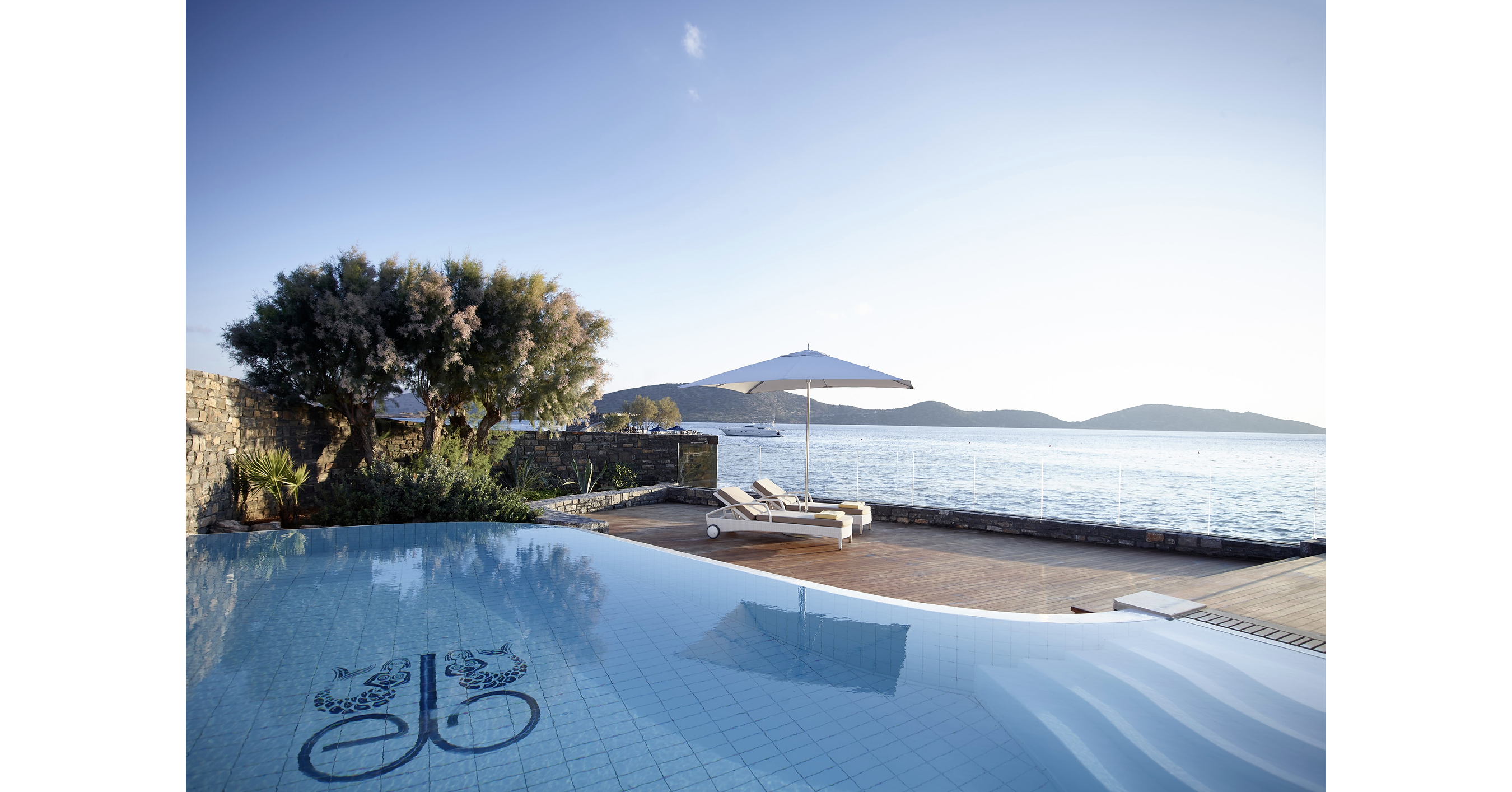
A survey of luxury travel advisors found 40% of ultra-luxury travelers view discreet staff as their most important resort requirement, while 78.6% consider a private pool a baseline feature. Villa-style demand is increasing, according to 51.4% of advisors, and 55.7% cite separate bedrooms for families or entourages as a top priority. The findings point to sustained demand for private, highly personalized high-end travel accommodations, though the release is promotional and unlikely to materially affect public markets.
Analysis
This is not yet an investable demand signal: the survey is commissioned by a single resort, lacks sample size and spend data, and measures advisor preferences rather than booking or rate behavior. The more relevant mechanism is mix shift: travelers willing to pay for seclusion favor low-key-count villas and managed private homes, where inventory scarcity can support ADR premiums but operating complexity rises sharply through staffing, security, transport, and bespoke-service costs.
Asset-light global brands are not automatically the clearest beneficiaries. MAR and H have distribution, loyalty, and luxury-management platforms, but most standardized urban and large-resort inventory cannot be rapidly converted into self-contained villa product. ABNB and BKNG have greater exposure to alternative accommodations, yet their upside depends on whether premium managed inventory grows without a corresponding increase in trust-and-safety, service-recovery, and regulatory costs; the stated preference for invisible but highly responsive service is operationally difficult to scale.
Over the next 1-3 months, the actionable read-through is limited to luxury-travel booking commentary and private-villa ADR versus conventional luxury hotel RevPAR. Over 6-18 months, sustained evidence of villa share gains could pressure traditional luxury resort capex toward keys-removal, larger-unit conversions, and lower room-count density—supportive of rate growth but potentially dilutive to near-term returns on invested capital. The contrarian view is that privacy is cyclical rather than structural: if wealth effects soften or corporate/high-end leisure travel normalizes, premium villa demand is more discretionary than branded-suite demand and could see faster occupancy erosion.
AllMind Terminal
AI-powered research, real-time alerts, and portfolio analytics for institutional investors.
Request TrialMarket Sentiment
Overall Sentiment
mildly positive
Sentiment Score
0.20
Key Decisions for Investors
- No immediate directional trade; treat this as a watch item rather than a catalyst because the underlying evidence is promotional and does not quantify bookings, ADR, occupancy, or spend.
- Monitor quarterly luxury commentary and alternative-accommodation metrics at ABNB, BKNG, MAR, and H over the next 2-3 reporting cycles. Upgrade the thesis only if premium whole-home/villa nights and ADR outperform hotel luxury RevPAR while take rates and service costs remain stable.
- If evidence confirms sustained villa-share growth, consider a 6-12 month relative-value position long ABNB versus short H, sized modestly: ABNB has more direct whole-home inventory exposure, while H has greater exposure to conventional hotel unit economics. Falsify if ABNB's premium inventory growth fails to translate into accelerating gross booking value or if regulatory/service-cost pressure widens its margin gap.
- For lodging REIT exposure, avoid assuming broad benefit. Require property-level evidence that villa-heavy luxury assets are achieving ADR premiums sufficient to offset lower key density and higher labor intensity before adding to luxury resort owners.
More News
- Chinese investors rush into US stocks as Beijing opens wider path overseas
- Is Amazon Stock a Buy After Its Best Quarter in Years?
- Federal Reserve decision, retail sales, and oil inventories due Wednesday
- Trip.com swings to Q2 loss after $763 million antitrust penalty
- Saudi-led coalition intercepts drone headed for Mecca
- Why Dave & Buster's Stock Tumbled Today