
Midea SMART MASTER at IFA 2026: From AI Agents to Embodied Intelligence
Source: PR Newswire
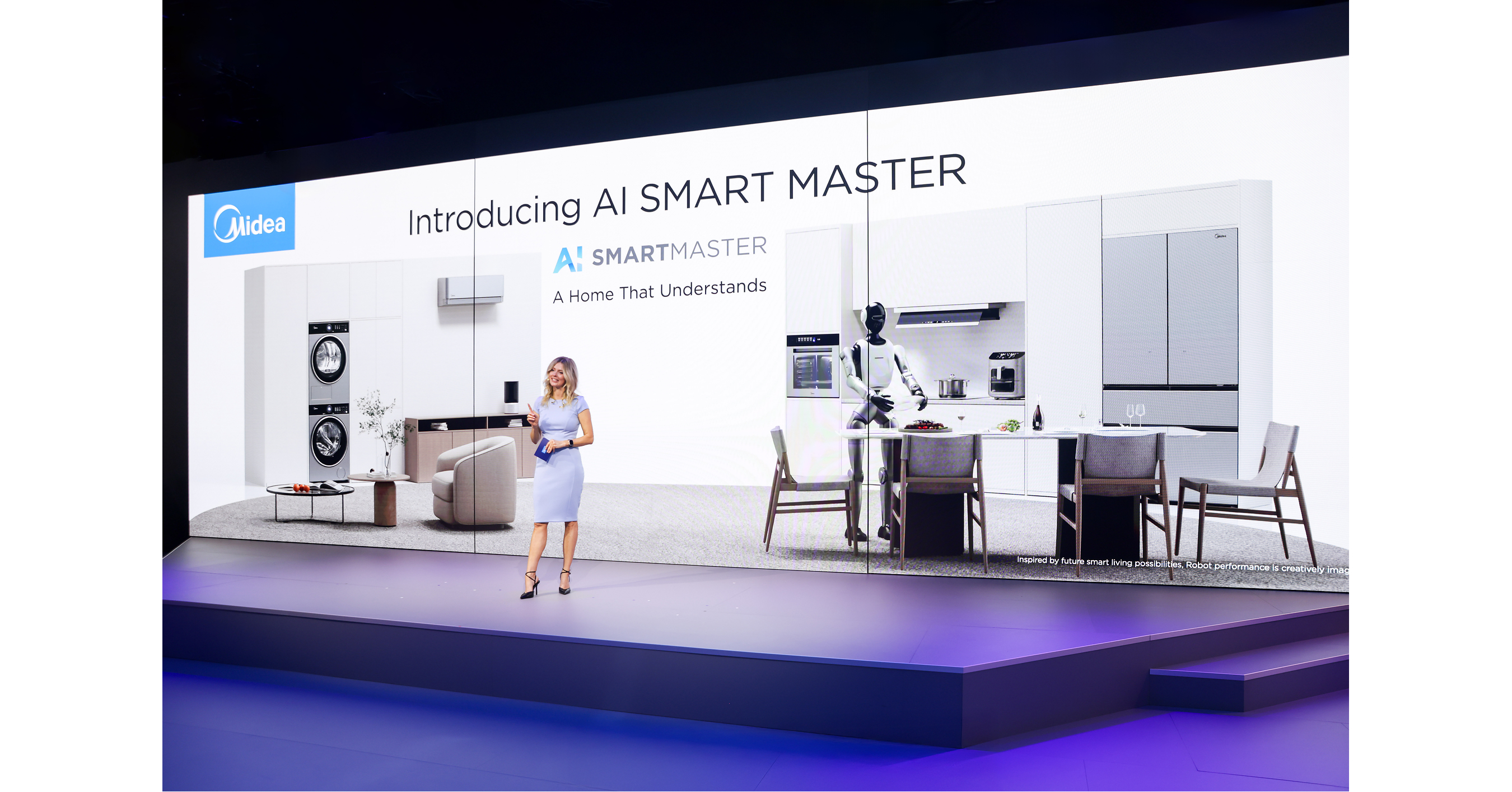
Midea showcased SMART MASTER at IFA 2026, positioning it as an AI-powered home ecosystem centered on an AI Agent that supports 140 languages, an 8-metre voice-recognition range, and ~0.4s response time for natural conversation. The system includes multiple task agents (Comfort, Health, Efficiency, Service) and links voice entry points across appliances and other connected devices. Midea also demonstrated an embodied-intelligence Midea Robot using its EAGLES architecture and four multimodal foundation models, aimed at laundry, kitchen/cleaning tasks and companionship, though the release is promotional with limited near-term financial impact.
Analysis
This looks more like ecosystem positioning than a near-term earnings event. The economic value is likely to accrue to the appliance OEM that can own the user interface and service layer, not to the cloud partner name-checking the launch; for MSFT, the upside is mostly narrative reinforcement around embedded AI rather than measurable revenue in the next 1-2 quarters. If there is any fundamental read-through, it is that consumer hardware makers are trying to defend margins with software-like features, which can modestly improve pricing power and reduce churn for premium lines over 6-18 months.
The second-order winners are the brands with distribution, service networks, and installed bases that can monetize maintenance, consumables, and replacement cycles. That is a better setup for integrated appliance platforms than for pure software assistants, because the switching costs sit in the appliance stack and the service contract, not the language model. The losers are undifferentiated appliance peers that cannot bundle intelligence into a broader ecosystem; they may be forced into price competition while premium brands widen ASP dispersion.
The contrarian risk is that investors may overstate the monetization path from a polished demo. Consumer adoption of "AI home" features is usually gated by replacement cycles, installation friction, and privacy concerns, so the adoption curve is measured in months to years, not days. What would falsify the positive read-through is a lack of attach-rate improvement in premium appliance sales, no uplift in service revenue, or evidence that consumers treat these features as gimmicks rather than purchase drivers.
AllMind Terminal
AI-powered research, real-time alerts, and portfolio analytics for institutional investors.
Request TrialMarket Sentiment
Overall Sentiment
mildly positive
Sentiment Score
0.12
Ticker Sentiment
Key Decisions for Investors
- No immediate trade in MSFT on this headline; treat any intraday strength as noise unless the company can show Azure/consumer AI attach-rate data in upcoming disclosures.
- If looking for a thematic expression, prefer long the appliance OEM ecosystem leader over generic hardware peers on a 6-12 month view; the trade works only if the market starts rewarding premium, software-enabled appliances with higher gross margins.
- Use this as a watch item on competitor pricing: if Whirlpool, Electrolux, or Haier peers fail to match AI-service bundles within 1-2 product cycles, premium brand share could drift higher; otherwise the moat is shallow.
- Set a falsifier for the MSFT read-through: if management does not reference consumer-device AI as an incremental cloud/services driver in the next 1-2 earnings calls, fade any attempt to price this as a meaningful growth vector.
More News
- Tech Bytes: Microsoft pulls out of Aussie-founded Nscale data centre deal as power shortages hit AI boom
- Jim Cramer: Why I am taking the other side of the trade that crushed the market Friday
- Microsoft reportedly quits Nscale’s UK data centre weeks before its IPO
- Data Centers Have a New PR Plan: Your Kid’s Field Trip
- These 3 Green Stocks Have a Growth Story That Goes Far Beyond Washington
- The Bond Market Is Sending a Warning to Nvidia Shareholders