
Sinopec publie son premier rapport sur la conservation de la biodiversité mondiale lors de la COP17 en Arménie
Source: PR Newswire
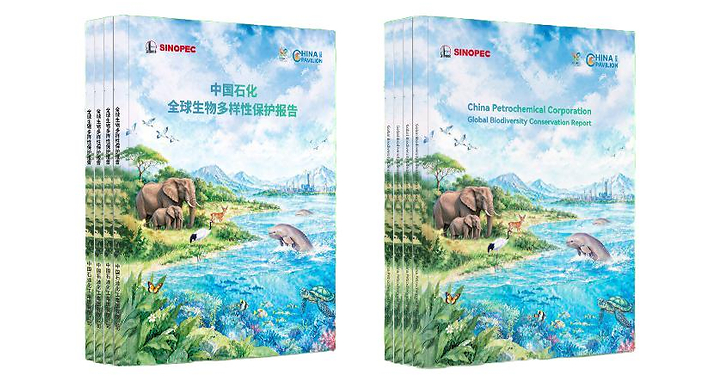
Sinopec published its first global biodiversity conservation report at COP17, outlining efforts to incorporate conservation into its operations and international projects. By end-2025, it had decommissioned 992 oil wells, 112 gas wells and 181 water wells; reported initiatives also include restoring 2.4 million square meters of rainforest vegetation in Ecuador and planting more than 7,000 mangroves in Angola. The report describes company initiatives rather than a material financial or operating update.
Analysis
The investable signal is less the conservation narrative than whether biodiversity controls reduce permitting delays, shutdown risk and remediation liabilities across capital-intensive projects. If embedded in project screening and operating approvals, they could protect project NPV and access to host-country licenses; if mostly retrospective reporting, they add compliance and restoration costs without changing risk-adjusted returns. The release does not quantify either effect, and project examples should not be extrapolated to Sinopec’s consolidated economics.
Near term, expect limited earnings or valuation impact: there is no disclosed spending, savings, production impact or independently verified outcome. Over 1–3 months, the useful catalysts are auditable targets, site-level incident data and evidence that controls alter project approvals or operating costs. Over 6–18 months, tighter biodiversity disclosure or permitting standards could advantage operators with stronger baseline data while raising costs for the sector; Sinopec’s overseas footprint also leaves it exposed to scrutiny that a corporate report cannot itself neutralize.
Contrarian angle: investors may over-credit polished ESG disclosure, but could also underprice the option value of documented controls if host governments increasingly make ecological safeguards a condition of operating. No directional trade is justified from this announcement alone. Reassess on verified operating metrics and measurable capex or permitting consequences; thesis weakens if reporting remains activity-based and no project-level outcomes are disclosed.
AllMind Terminal
AI-powered research, real-time alerts, and portfolio analytics for institutional investors.
Request TrialMarket Sentiment
Overall Sentiment
mildly positive
Sentiment Score
0.20
Key Decisions for Investors
- Do not trade Sinopec on this release alone; no quantified earnings, cash-flow or valuation driver is established.
- Add a watch item for the next sustainability filing and project updates: seek audited site-level biodiversity outcomes, restoration spend, operational interruptions and permit timelines before underwriting risk reduction.
- For sector positioning, treat biodiversity controls as a potential differentiator—not yet a basis for a long Sinopec versus CNOOC or PetroChina pair. Revisit only if comparable, verified data show lower delays or remediation costs.
- Falsification: if subsequent disclosures show rising restoration/compliance costs without improved approvals, fewer incidents or reduced operating disruption, discount the claimed risk-management benefit; a new permitting rule tied to biodiversity would be a catalyst to reassess sector exposure.
More News
- Marvell to buy Lumentum in $115 billion deal in AI data-center bet
- Marvell, Lumentum tout historic $115B deal to create ‘category leader' in AI connectivity
- The AI boom is facing another supply crunch. This time it’s the amount of capital available to feed Silicon Valley’s endless need for cash
- Oil Prices Retreat, Apple Results on Deck
- New Apple CEO John Ternus chalks up some early wins, but the honeymoon is over
- In one of the largest deals in tech history, Marvell buys Lumentum for $115B