
IFA 2026: Sunseeker Debuts 2027 LiDAR Models, Smart Garden Ecosystem and Industry‑First 3D Semantic Map
Source: PR Newswire
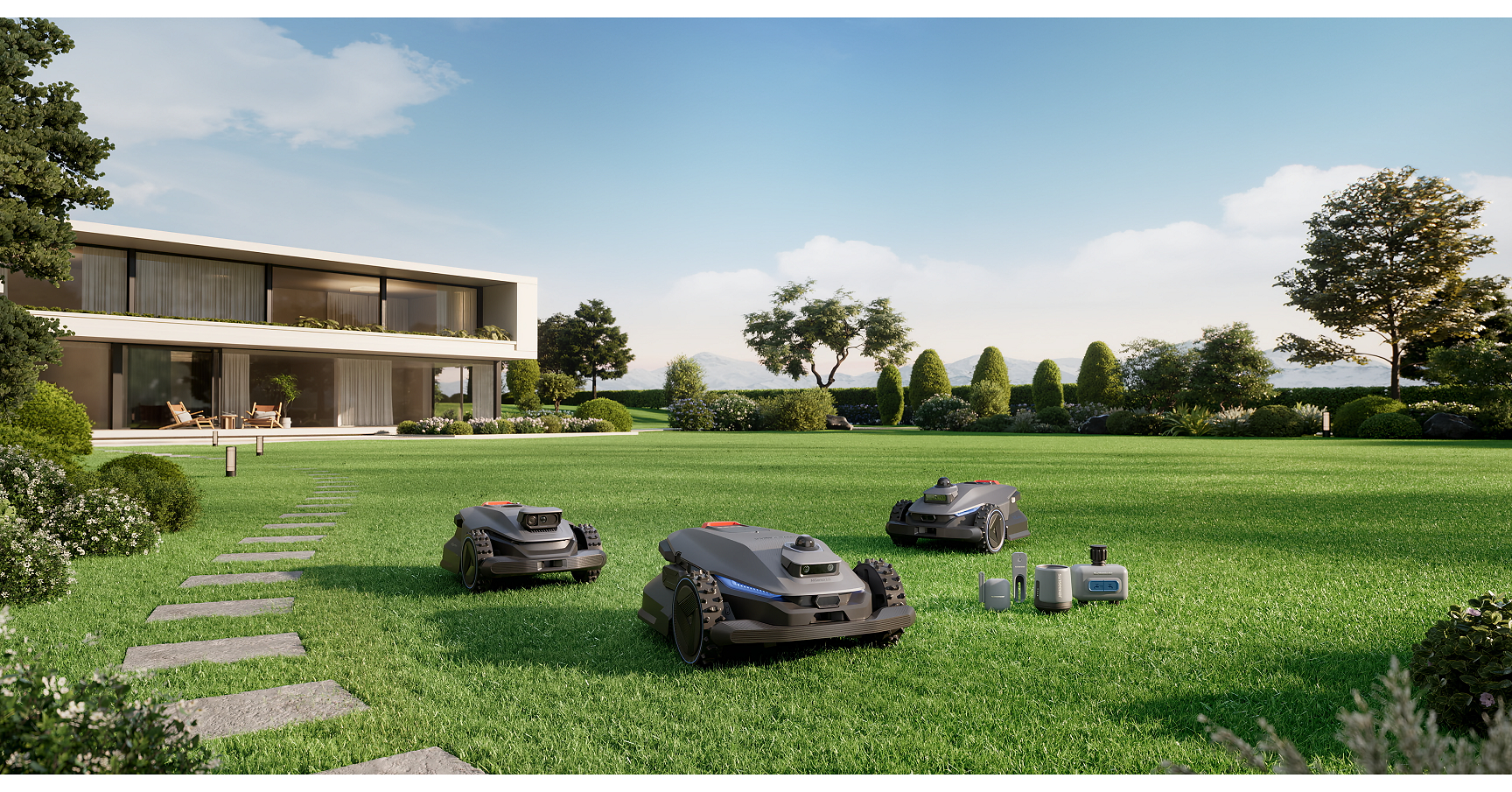
Sunseeker unveiled five 2027 LiDAR-enabled products plus its Smart Garden ecosystem at IFA 2026, featuring AllSense™ 3.0 with 360° LiDAR mapping and MapOS™ using a “3D Semantic Map” to automate real-scene lawn management. The lineup targets 500–3,000 sq. m gardens (with slopes up to 80% for the AWD S7) and supports centimeter-level navigation starting February 2027. The company also reported a threefold revenue increase in 2026 and expanded retail points of sale from ~1,500 (2025) to ~5,000 (2026), signaling strong momentum but primarily product/strategy updates rather than financial guidance.
Analysis
This is less a single-product launch than an attempt to re-rate the company from hardware vendor to ecosystem platform. If the install base really becomes map-locked and sensor-rich, the economic lever is not unit volume alone but higher switching costs, broader accessory attach, and eventual software/service monetization. That matters because in outdoor robotics the durable moat is usually distribution plus serviceability, not the quality of the demo.
For listed equities, the near-term impact is mostly second-order. Any benefit would likely accrue to the broader robotics/vision stack and, marginally, to low-cost LiDAR or sensor suppliers; the obvious losers are legacy mower and outdoor power equipment names if autonomous units start nibbling at premium replacement cycles, but that is a 6-18 month substitution story, not a next-quarter earnings story. The bigger risk is execution: support burden, false detections, and terrain/weather edge cases can convert an AI pitch into warranty cost and margin pressure before scale offsets it.
The contrarian view is that the market tends to overpay for semantic-map language and underweight install friction, return rates, and channel economics. The real catalyst path is not the announcement but sell-through, attach rates, and whether the ecosystem meaningfully lowers setup time. If those metrics do not improve, this is mostly marketing optionality with little P&L consequence; if they do, the bigger read-through is to robotics enablers than to the mower category itself.
AllMind Terminal
AI-powered research, real-time alerts, and portfolio analytics for institutional investors.
Request TrialMarket Sentiment
Overall Sentiment
moderately positive
Sentiment Score
0.35
Key Decisions for Investors
- No immediate directional trade in GSIW/INSO; treat this as a 2027 channel-execution story and wait for sell-through, return-rate, and warranty data. Falsifier: weak retail velocity or elevated service costs in the next two reporting cycles.
- Maintain OUST on a watchlist as a potential beneficiary of broader low-cost LiDAR adoption, but only consider a starter long after evidence of consumer/industrial robotics revenue mix improvement. Risk/reward is poor today because the article is thematic, not financially binding.
- Fade any rally in legacy outdoor-equipment names such as TTC if the market starts pricing a rapid autonomy substitution cycle; the thesis only works if channel checks show real wireless/robot penetration over 2-3 quarters, otherwise stay flat.
- If you want a thematic basket, prefer a small long ROBT/BOTZ only on confirmation that outdoor robotics is broadening beyond a niche demo category. Stop-out if robotics ETFs fail to hold relative strength after the next two retail check-points.
More News
- Indonesian stocks plunge to six-year low as MSCI downgrade fears mount
- Indonesia Said to Meet Monday With MSCI Over Shock Index Threat
- Putin reportedly suggests summit with Trump and Xi to decide fate of Ukraine
- China's CXMT sees shares drop over 6% as investors look past chipmaker's profit turnaround
- Asian stocks skid, Wall Street and bonds aided by oil slip
- Australia’s Cleanaway agrees to $6.5 bln EQT buyout bid; shares surge