
Hurricane Isaias to ‘stress test’ oil markets already hobbled by tight fuel supplies
Source: MarketWatch
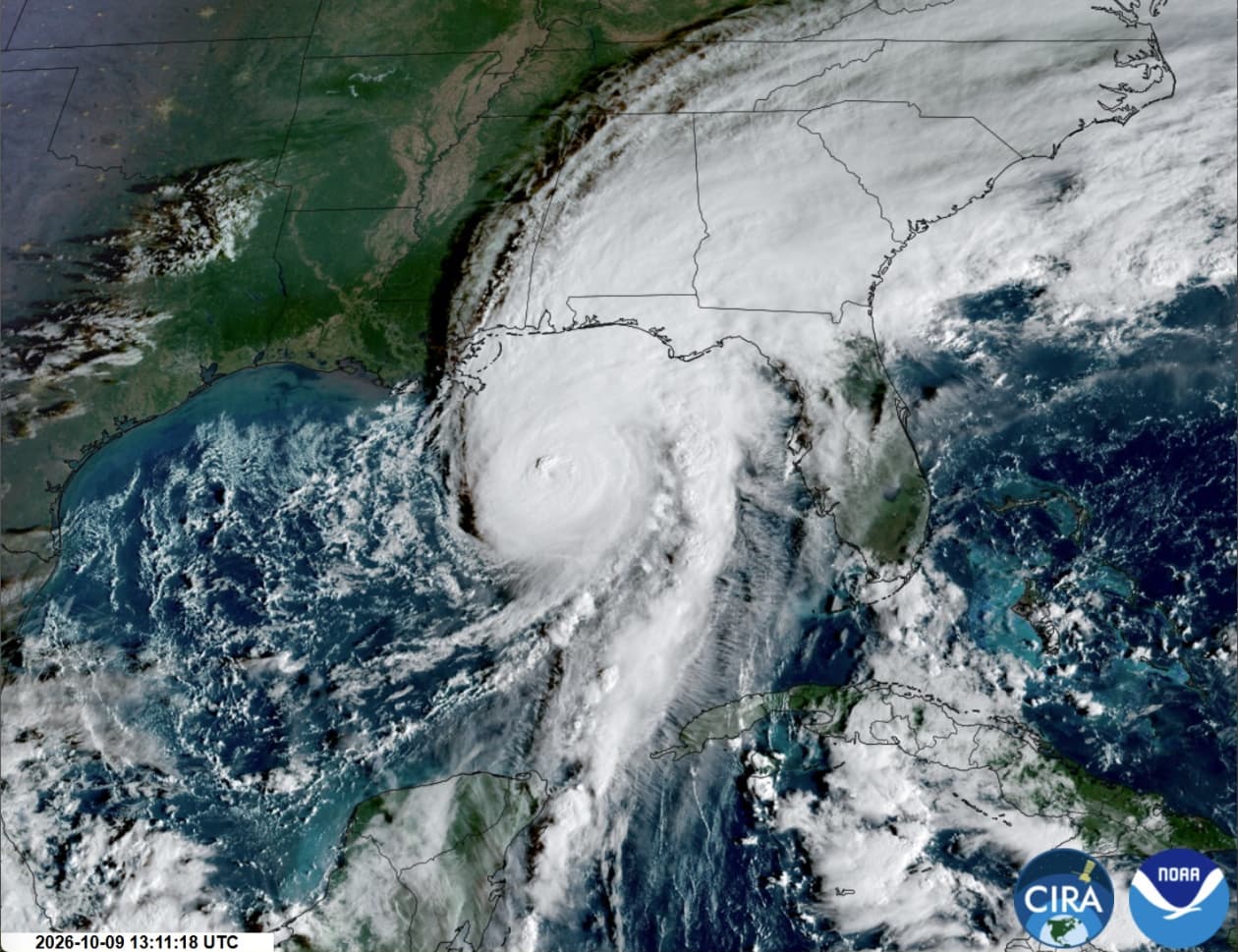
Hurricane Isaias is expected to hit Friday near the center of U.S. oil production and refining, potentially testing markets already strained by tight fuel supplies and oil supply disruptions from the Iran war. Raymond James analyst Pavel Molchanov said the storm is a reminder that weather risk remains; the article provides no estimate of production losses.
Analysis
The key market risk is not simply “less oil”: an upstream outage tightens crude availability, while refinery downtime reduces crude demand and can tighten gasoline/distillate supply. Which leg dominates depends on the storm track, facility-level outages and pipeline/port access. That divergence can move crude-product cracks and regional basis differently from headline crude prices.
Over the next several sessions, the geopolitical supply shock raises the value of prompt-barrel optionality, but hurricane headlines alone are not evidence of lasting lost production. A quick track-through with no material infrastructure damage should unwind weather premium; prolonged outages or constrained logistics could keep prompt spreads and refined-product premiums elevated for weeks. Over 6–18 months, this is not structurally bullish unless it exposes persistent infrastructure or resilience constraints.
The contrarian risk is treating a crude rally as the only expression: refinery disruption can weigh on crude even as products strengthen. Conversely, if production losses dominate and refining remains available, prompt crude tightness may lead. No company-specific exposure is established by the supplied data, and there is insufficient information to size a directional trade confidently.
AllMind Terminal
AI-powered research, real-time alerts, and portfolio analytics for institutional investors.
Request TrialMarket Sentiment
Overall Sentiment
mildly negative
Sentiment Score
-0.25
Key Decisions for Investors
- Do not chase a broad energy-equity move on the weather headline alone. Track official storm forecasts alongside confirmed shut-ins, refinery utilization, port/pipeline status and inventory data.
- If facility-level evidence confirms refinery disruption while product supply is constrained, consider a small, defined-risk long in refined-product exposure versus crude (for example, a gasoline crack expression); exit if outages are brief or product inventories build.
- If upstream shut-ins are material and refining/logistics remain operational, favor prompt crude tightness over longer-dated exposure; use calendar spreads rather than an outright position to limit reversal risk.
- Falsifiers: the storm track misses key infrastructure, operators report no meaningful outages, or prompt spreads/cracks fail to strengthen after confirmed disruptions. Reassess as the event passes rather than extrapolating a short-lived outage into a structural supply thesis.
More News
- Trump's diesel agreement with Putin accused of contradicting Russia sanctions law
- Authorities said Houthi-claimed attacks on Riyadh airport killed three Saudi citizens, as airlines suspend at least 124 flights
- Trump reaches Russian diesel supply deal as U.S. fuel prices surge
- RBI Announces Special Oil Window, Regulatory Steps for Rupee
- Putin tells Trump peace talks are unlikely, cites Ukraine drone attacks
- Rising fuel costs slashed Delta’s profit outlook despite strong demand