
Tool Changer. Game Changer. Bambu Lab presenta la H3C: la nueva generación de impresoras 3D que marca la diferencia
Source: PR Newswire
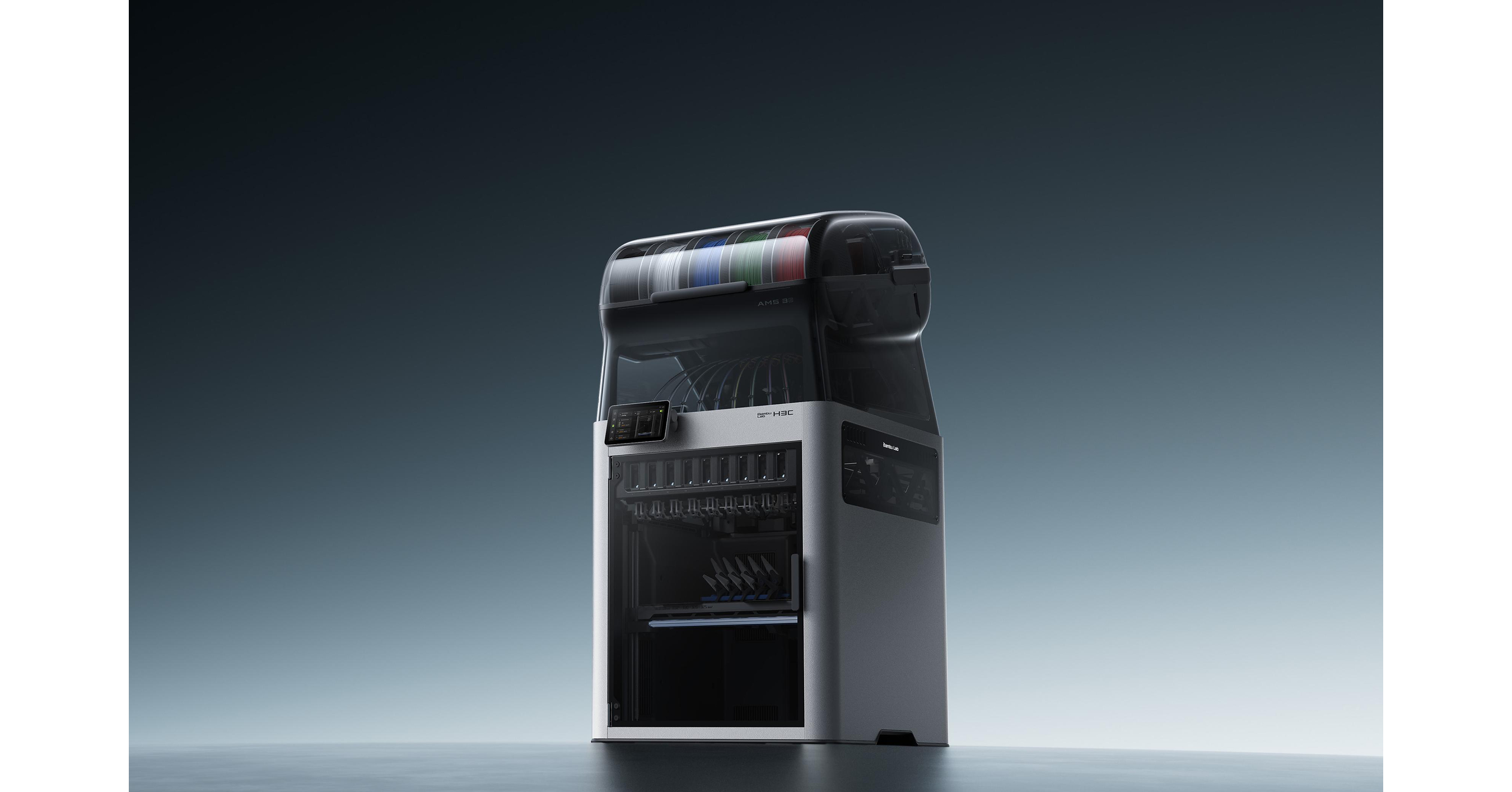
Bambu Lab launched its H3C desktop 3D printer, priced at $2,499 in the U.S. (excluding tax) and €2,499 in the EU (including tax), with availability through its official store stated as beginning November 3. The nine-tool Swaptek system is said to change materials in as little as 6 seconds; the printer also supports up to 24 materials with added AMS capacity and reaches tool temperatures of 350°C. The product announcement highlights faster, multi-material printing and expanded TPU capabilities, but provides no sales forecasts or reported market reaction.
Analysis
This is a product-differentiation signal, not yet an earnings signal. The economic test is whether the tool-changing workflow converts hobbyist interest into repeat purchases of premium machines, materials and accessories; a high launch price may instead cap volume and concentrate demand among professionals and enthusiasts. If the claimed reduction in changeover time and waste holds in independent testing, the more consequential effect is lower friction for short-run, multi-material prototyping—not immediate displacement of industrial additive manufacturing. Over 6–18 months, that could pressure desktop competitors to add tool-changing capability or compete on price, software and ecosystem. Bambu Lab could also cannibalize its own lower-priced machines, so product mix and incremental customer acquisition matter more than launch interest alone.
The release is promotional; verify field reliability, throughput on representative jobs, service burden and realized material attach before underwriting the claims. Nine tool paths and automated alignment add mechanical and software complexity: downtime or calibration failures could erase the advertised productivity advantage and damage the brand premium. Near term, watch independent reviews, delivery lead times and returns; over 1–3 months, look for evidence of sustained demand and repeat filament purchases. The structural thesis weakens if real-world multi-material jobs fail to outperform simpler machines on total cost per usable part, or if competitors close the workflow gap quickly. Bambu Lab is not mapped to a tradable security here, and the launch alone does not justify a directional position in broader 3D-printing equities.
AllMind Terminal
AI-powered research, real-time alerts, and portfolio analytics for institutional investors.
Request TrialMarket Sentiment
Overall Sentiment
mildly positive
Sentiment Score
0.35
Key Decisions for Investors
- No direct trade on the announcement: Bambu Lab has no supplied ticker mapping, and the release provides no independently verified unit economics or demand data.
- Set a 1–3 month watch item on independent head-to-head tests, delivery availability, warranty/return signals, and evidence of recurring filament and accessory sales; those validate adoption better than launch-page claims.
- Monitor desktop competitors including Prusa Research and Ultimaker for pricing or product responses. A rapid response would shorten any differentiation window; avoid assuming immediate share loss for industrial additive manufacturers.
- Revisit the thesis if user testing shows materially lower total job time and waste without higher failure rates. Falsify it if calibration or tool-change issues recur, or if demand remains confined to early adopters without repeat consumables purchases.
More News
- Binance CFO exits days after catastrophic $6 billion crypto hack
- Decisive election. Dramatic stock swings. How we handled the market last week
- Berkshire Hathaway more than doubles buybacks in third quarter as earnings decline
- Berkshire shares surge as Wall Street swoons amid AI fears
- Paraguay’s ousted president charged over banking scandal
- CoreWeave seeks truce with Texas Governor-elect Hinojosa