
Delta Air Lines Cuts 2026 Earnings Outlook: Time to Sell DAL Stock?
Source: zacks.com
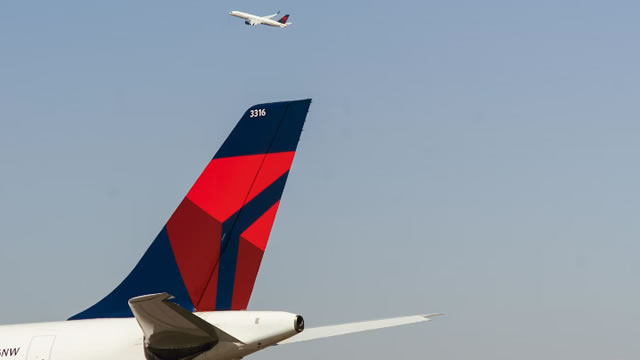
Delta Air Lines cut its full-year 2026 adjusted EPS outlook to $5.10-$5.60 from $6.50-$7.50 after disappointing third-quarter results released Oct. 9. Surging fuel expenses and rising operating costs are pressuring profitability.
Analysis
The key question is whether cost pressure is a temporary fuel shock or a deterioration in the fare-versus-cost balance. If higher fuel and operating expenses persist while pricing cannot catch up, the earnings reset can extend beyond this guidance cycle: weaker cash generation may constrain buybacks and fleet investment, while investors apply a lower multiple to earnings they view as less predictable. The downside is potentially sector-wide, so a DAL-specific short is strongest only if peer updates show better unit-revenue or cost performance.
Over the next few weeks, monitor fuel prices and peer commentary for evidence of industry repricing. Over 1–3 months, the important tests are unit revenue, capacity discipline, nonfuel unit costs, and whether management revises the range again. Over 6–18 months, sustained cost inflation could widen competitive differences between carriers able to protect pricing and those competing primarily on fare. The counterpoint: a lower earnings base may already incorporate some near-term pain; easing fuel or resilient fares could stabilize estimates and prompt a relief move. Verify the contribution of any fuel hedging or refinery-related offsets rather than assuming they neutralize spot-cost exposure.
AllMind Terminal
AI-powered research, real-time alerts, and portfolio analytics for institutional investors.
Request TrialMarket Sentiment
Overall Sentiment
moderately negative
Sentiment Score
-0.58
Ticker Sentiment
Key Decisions for Investors
- Underweight DAL pending evidence that unit revenue can keep pace with fuel and operating costs; avoid treating the guidance reset alone as proof of a multi-quarter deterioration.
- Consider a relative-value short DAL versus a diversified airline peer basket only if upcoming peer disclosures confirm comparatively stronger unit-revenue and cost trends. Keep the position hedged: a fuel-price reversal or industry-wide fare increases could squeeze the trade.
- Use the next operating updates as the catalyst check. Thesis weakens if fuel retreats and DAL maintains unit-revenue and nonfuel cost expectations; it strengthens if unit revenue softens or another guidance reduction follows.
- Before sizing a directional position, verify current valuation, cash-flow outlook, fuel-offset disclosures, and peer capacity plans; the supplied information does not establish how much of the reset is already reflected in the share price.
More News
- A growing security premium threatens Saudi Arabia’s investment project
- Delta knows the top 40% of Americans are $40 trillion richer than just a few years ago. Cue new burgers and bourbon on Delta One’s biggest revamp yet
- Starlink Lockout Has Elon Musk Feuding With Indian Billionaire Mukesh Ambani
- Delta's business-class revamp: New seats, menus, plates and more Porsches
- Anthropic's third-quarter revenue is said to hit $16.8 billion ahead of IPO
- Why is Samsung Electronics stock plunging today?