
Hodinky HUAWEI WATCH D3 debutujú na konferencii ISH-ECS 2026 a prinášajú pokročilé monitorovanie krvného tlaku do bežného života
Source: PR Newswire
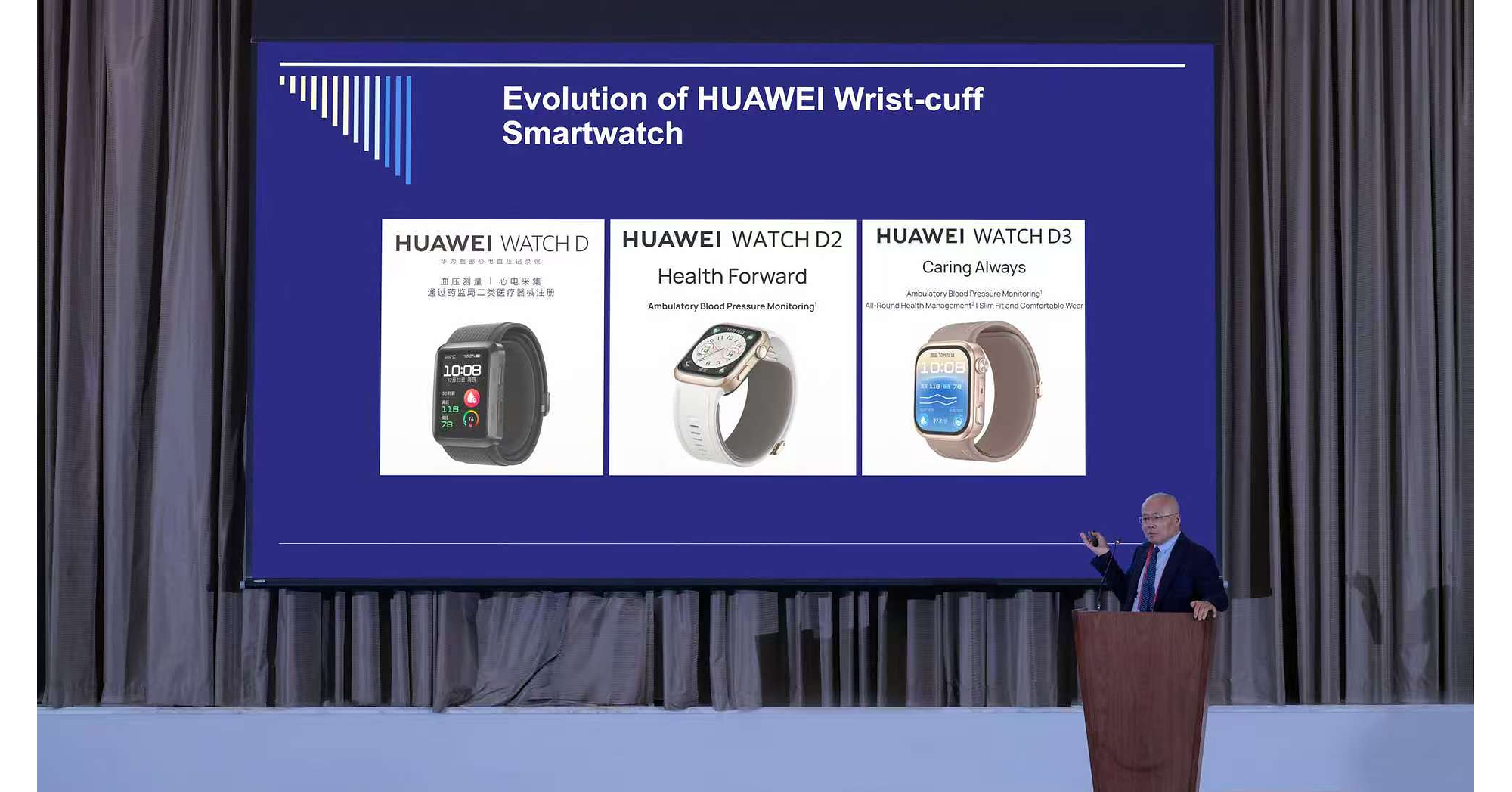
Huawei introduced the WATCH D3 at the ISH-ECS 2026 conference in Dubai, highlighting wrist-based blood-pressure monitoring and a new pre- and post-exercise measurement mode. Huawei and the International Society of Hypertension established a research innovation fund; the first three projects were selected from more than 80 applications. A separate study will test a hybrid monitoring approach aiming to reduce cuff-based measurements from 27 to 7.
Analysis
Wearable blood-pressure monitoring is a potential product-differentiation wedge, not yet evidence of a material earnings driver. The investable question is whether Huawei converts clinical credibility into sustained device adoption and recurring health-service engagement; the article provides no sales, pricing, reimbursement, or independent validation data. If that bridge is built, pressure rises on Apple, Samsung, Omron, and Withings to match validated cuff-based measurement, while conventional home-monitoring brands could lose some consumer use cases. Conversely, Huawei’s ecosystem and market-access constraints may limit the addressable market outside China.
Near term, expect limited fundamental read-through. Over 1–3 months, the key catalysts are independent study results, regulatory clearance in additional markets, and evidence of clinician uptake—not conference endorsements or company-funded research alone. Over 6–18 months, guideline inclusion could lower adoption friction, but clinical utility, accuracy across populations, privacy rules, and integration into care pathways remain gating factors. Easier monitoring may also increase diagnosis and treatment initiation, indirectly benefiting antihypertensive drug makers, but that is a long-dated, diffuse effect rather than a near-term drug-sales signal.
Contrarian risk: investors may over-credit guideline mentions as proof of broad clinical adoption. Validation of a device category is not necessarily validation of this model, and cuffless/PPG-derived readings can face calibration and real-world adherence challenges. The signal is mildly positive for the wearable-health category, but insufficient to justify a direct equity trade without a listed, mapped issuer and commercial evidence.
AllMind Terminal
AI-powered research, real-time alerts, and portfolio analytics for institutional investors.
Request TrialMarket Sentiment
Overall Sentiment
mildly positive
Sentiment Score
0.30
Key Decisions for Investors
- No direct position on this announcement alone. Huawei is not represented in the supplied ticker mapping, and the article provides no commercial metrics to underwrite an earnings impact.
- Add Apple, Samsung, Omron, and Withings to a competitive watchlist; look for product announcements or independent validation that show whether cuff-based wrist monitoring becomes a table-stakes feature.
- Set an alert for independent accuracy and adherence results, regulatory clearances beyond the stated jurisdictions, clinician adoption, and any disclosed device sales or health-service monetization. Treat company-sponsored studies and expert endorsements as preliminary evidence.
- Falsify the category-positive thesis if independent studies show clinically meaningful accuracy or adherence shortcomings, regulators restrict intended use, or adoption fails to extend beyond enthusiasts despite guideline recognition.
More News
- What investors need to know about Alphabet's stock-busting earnings report
- SK Hynix says the memory-chip shortage will last until 2030—and more than half its production is booked for the next two years
- Microsoft’s strong quarter backs up its stock rebound. Here's our new price target
- Google struggling to make AI Mode searches pay
- As Waymo expands overseas, it remains a niche cash-burning business
- Microsoft’s cloud growth accelerates, and so too does the spending