
Iran War’s Architects Trump, Netanyahu Get Ready to Face Voters
Source: Bloomberg
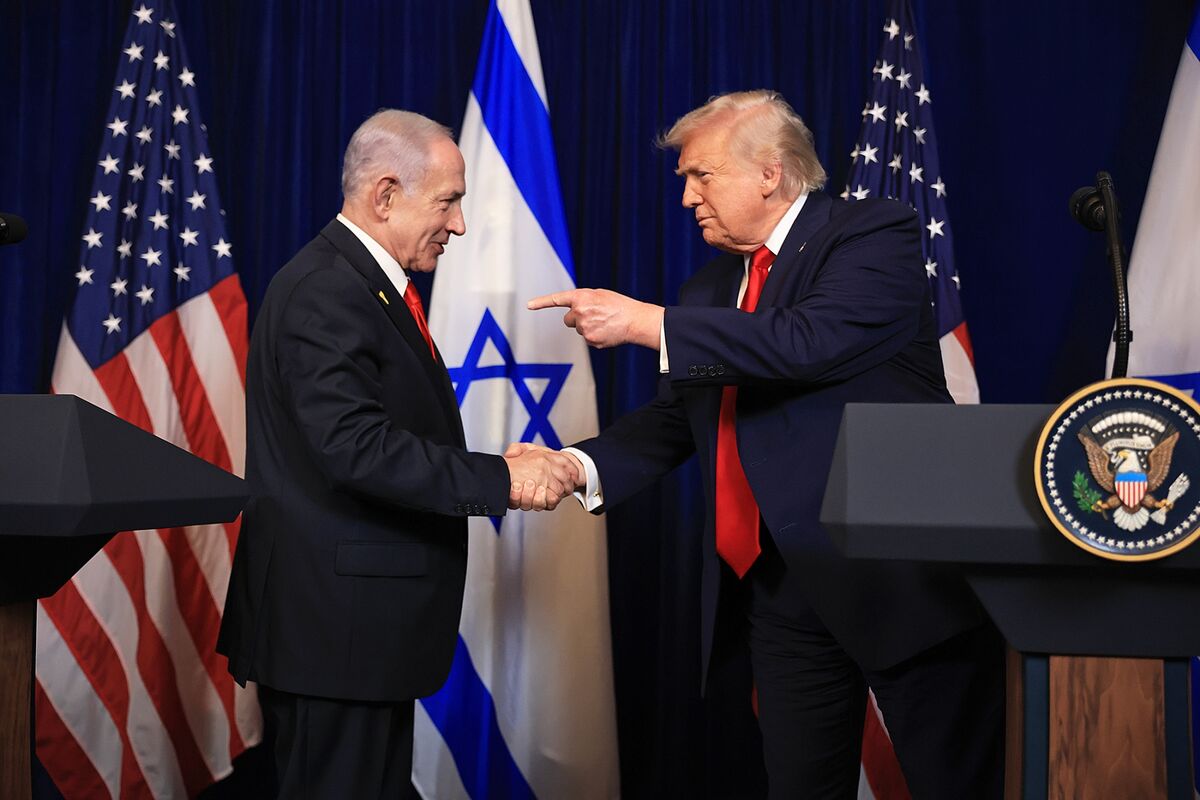
The two main architects of Israel’s war against Iran are preparing to face voters for the first time since the conflict began in February. The article says the war has been broadly popular in Israel, unlike in the US, but gives no polling figures or election outcomes.
Analysis
The market implication is a wider range of outcomes, not a clear directional signal. Electoral accountability may raise the political cost of a prolonged conflict and increase the value of de-escalation; it may also reward hardline positioning if leaders judge that voters prioritize security. That two-way incentive makes headline-driven oil and regional-risk moves more vulnerable to reversal than a durable change in supply fundamentals.
Over days, watch for rhetoric or polling shifts that move crude and regional risk premia. Over 1–3 months, the key catalyst is whether domestic pressure translates into a change in war objectives, coalition stability, or ceasefire posture. Over 6–18 months, sustained conflict could keep risk premia elevated and add pressure to Israeli fiscal and currency risk; a durable de-escalation would unwind some of that premium. The excerpt does not identify the leaders, provide polling, or establish a policy shift, so it does not support a company-specific or high-conviction directional trade.
AllMind Terminal
AI-powered research, real-time alerts, and portfolio analytics for institutional investors.
Request TrialMarket Sentiment
Overall Sentiment
mixed
Sentiment Score
-0.05
Key Decisions for Investors
- Do not take a directional position in Israeli equities or crude solely on this report. Treat it as a volatility and event-risk alert; the political signal is ambiguous.
- For portfolios exposed to an escalation-driven oil shock, consider a small, defined-risk Brent call spread as insurance rather than an outright crude position. Reassess after polling, coalition developments, or a concrete change in war or ceasefire policy.
- Monitor crude, regional shipping risk indicators, the shekel, and Israeli sovereign-risk pricing for confirmation that political pressure is changing market expectations. A sustained easing alongside credible de-escalation would weaken the hedge case; renewed escalation or deteriorating domestic stability would strengthen it.
- Before expressing a view on Israeli assets, verify the leaders’ current polling, coalition arithmetic, and stated policy positions; absent those inputs, there is no reliable basis to infer electoral consequences or quantify a trade.
More News
- AI Doubts Spread Cracks in Equities, Credit Markets: Evening Briefing Americas
- US-Iran war, then and now: How the landscape has changed since February
- 10-year Treasury yield drops back to 5% this week as investors seek cover from AI worries
- Stocks Fall as Oil Rally Keeps a Lid on Treasuries
- It’s another horrible day in the markets, and the usual suspects are to blame: AI, oil, and the French
- Oil Climbs on Threats of a Widening War in Middle East
From AllMind Research
- Anthropic IPO Preview: Valuation, Timing, and What to Watch
- Shein After the IPO: Venue, Valuation, and What Must Be Proved
- What AI Research Tools Should a Small Hedge Fund Buy First?
- Eli Lilly Q4 2025 Earnings: Revenue Surges 43% as Mounjaro and Zepbound Dominate the GLP-1 Market
- Investment Research Software Costs: A 2026 Budget Framework