
In HelloNation, Audiology Expert Dr. Elizabeth Welch of Franklin, TN Outlines What to Expect During a Vestibular Evaluation
Source: PR Newswire
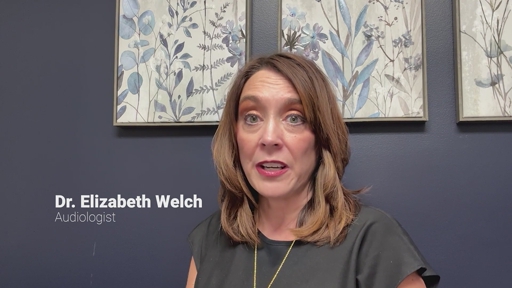
The article explains what adults can expect from a vestibular (balance) evaluation—medical history and hearing assessment, camera-based eye-movement and platform/head-movement tests, typically completed in under an hour and described as safe and noninvasive. It argues the testing helps identify inner-ear causes of dizziness/vertigo and provides a report that guides next steps such as vestibular therapy, balance exercises, hearing aids, or medical treatment. It also frames the process as reducing patient anxiety and supporting early intervention to lower fall risk.
Analysis
This is not a revenue event for the market; it is an awareness piece around a low-ticket diagnostic that mainly redistributes patient flow, not industry economics. The only plausible beneficiary is the outpatient audiology/ENT ecosystem if education nudges more self-referrals, but that effect is incremental and likely offset by payer scrutiny if utilization rises without clear downstream outcomes. For public markets, the more investable read-through is to hearing-aid and vestibular rehab adjacencies: a diagnosis can improve conversion into therapy and device adoption, but that pipeline is too small to move broad healthcare multiples.
The second-order risk is that investors overestimate the monetization of “balance health” as an addressable market. Most of the value accrues to local providers and reimbursed services, while OTC supplements and wellness brands could lose share to clinician-led workups if consumers substitute evidence-based care for self-treatment. The contrarian view is that the biggest economic impact may be on fall-prevention and post-acute utilization over 6-18 months, not on diagnostics themselves.
Catalyst-wise, there is no near-term market catalyst unless reimbursement changes, CMS tightens or expands vestibular testing coverage, or utilization data show an actual step-up in referral volume. Absent that, this is a watch item for healthcare services and hearing-related names rather than a tradeable catalyst. The thesis is falsified if claims data or quarterly commentary show no change in vestibular/audiology volumes despite heavier consumer education.
AllMind Terminal
AI-powered research, real-time alerts, and portfolio analytics for institutional investors.
Request TrialMarket Sentiment
Overall Sentiment
neutral
Sentiment Score
0.10
Key Decisions for Investors
- No trade in ZCBD on this release; treat as non-price-sensitive content unless management later quantifies incremental patient volume or monetization.
- Do not chase healthcare exposure in XLV or IHI on this headline; the implied revenue pool is too small to justify multiple expansion.
- Watch HCA and other outpatient-heavy providers for any commentary on audiology/ENT referral volumes over the next 1-2 quarters; only act if utilization data show a measurable lift.
- Set an alert on CMS reimbursement or coverage changes for vestibular testing and balance therapy; that would be the real catalyst for a services re-rate.
- If seeking a thematic proxy, consider a small basket long in hearing/rehab adjacencies only after evidence of sustained referral conversion; otherwise stay flat and preserve risk budget.
More News
- Hybe shares jump 10% as K-pop sensation BTS' tour lifts earnings hopes
- Gen Z founders are hiring while Boomers’ corporate America freezes out—‘I’ve already proven to myself that I can thrive in this’
- FDA approves Enspryng for thyroid eye disease treatment
- The Tesla Roadster 2 Is Here—and It Flies
- Smartphone shipments plummet as memory crisis pumps up prices
- Trump administration advances plan for peptide drugs favored by RFK Jr.