
EvoDECO® Next: Sidel sorgt für neue Gestaltungsfreiheit und Materialeffizienz bei der Roll-Fed-Etikettierung
Source: PR Newswire
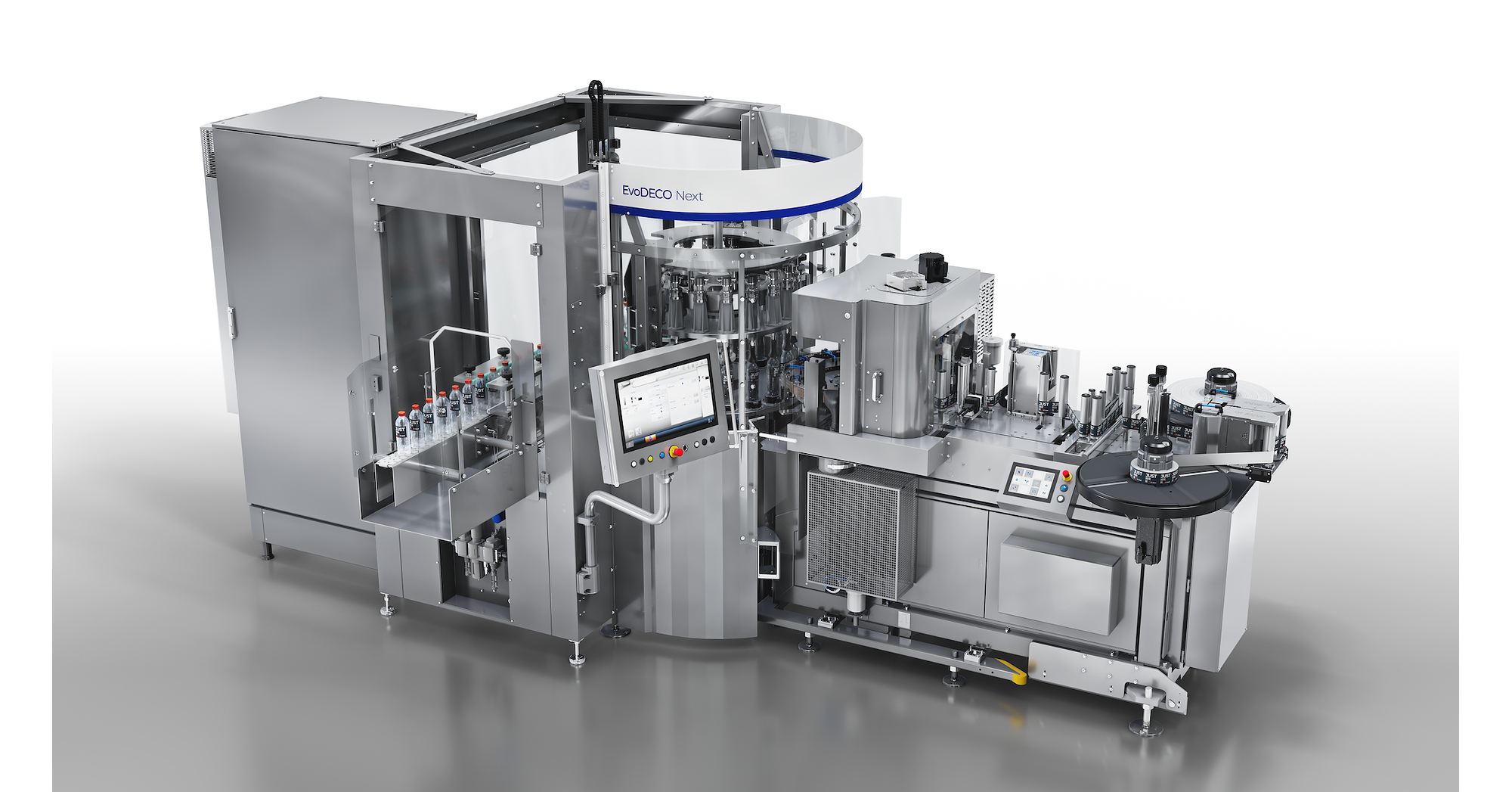
Sidel introduced EvoDECO Next, a roll-fed labeler designed to apply partial labels while maintaining high-speed production. Sidel says label area can fall by up to 75%; in its modeled example, switching to a 90° partial label at a line producing about 459 million bottles annually cut BOPP use by 208.4 tonnes, CO₂ emissions by 346 tonnes and annual raw-material costs by about €723,000. The savings depend on product, material specifications and operating conditions.
Analysis
The investable effect is more likely a shift in packaging mix than an immediate equipment-cycle inflection. If partial labels gain adoption, label-film demand per bottle could fall, pressuring volume growth for BOPP suppliers and converters; however, spend will not decline one-for-one with label area if customers move to different grades, finishes, or higher-value designs. CCL Industries and other label converters are worth monitoring for exposure, but the article provides no adoption data to size the impact.
For beverage producers, the potential savings are an operating-cost lever, but realized returns depend on line compatibility, scrap and downtime, procurement prices, and whether consumers accept the visual format. Transparent PET may also make bottle clarity and recycled-resin appearance more commercially important, creating a second-order incentive to source cleaner-looking resin or adjust bottle designs. That could offset some label savings and complicate adoption.
Near term, a product launch is not evidence of material revenue contribution for Sidel; customer trials and conversion of existing lines are the gating events. Over 1–3 months, watch for named customer wins, disclosed order intake, and independent validation of savings. Over 6–18 months, broad adoption could weigh on label-material volumes while benefiting beverage bottlers through lower packaging input costs. The thesis weakens if trials show quality or uptime penalties, or if brands retain full-wrap labels to protect shelf visibility. Sidel’s modeled savings are company claims, not independently verified outcomes.
AllMind Terminal
AI-powered research, real-time alerts, and portfolio analytics for institutional investors.
Request TrialMarket Sentiment
Overall Sentiment
mildly positive
Sentiment Score
0.35
Key Decisions for Investors
- No directional trade on the launch alone: the adoption, equipment revenue, and label-volume effects are unquantified.
- Set an alert on CCL Industries and other label converters for commentary on partial-label mix, BOPP volumes, and pricing; consider a short only if customer conversions become broad and volume weakness is confirmed.
- Monitor beverage bottlers for packaging-cost guidance and capex requirements. A long thesis needs evidence that material savings exceed any line-conversion, quality-control, or operating costs.
- Reassess on customer trial results, order disclosures, or evidence of recurring uptime issues; poor production performance would reverse the adoption case.
More News
- Why is Samsung Electronics stock plunging today?
- SK Hynix plunges 8% amid Asia tech rout as Fed rate hike fears, AI funding worries mount
- Elon Musk says Trump is 'ultimately' responsible for any curbs on Ukraine's Starshield systems
- SK Hynix seeks U.S. chip equipment exports to China tied to new factory
- Dell stock plunges 11%, leading data center sell-off on concerns about 'enterprise AI timing'
- Why is Rocket Lab stock tumbling today?
From AllMind Research
- Anthropic IPO Preview: Valuation, Timing, and What to Watch
- Shein After the IPO: Venue, Valuation, and What Must Be Proved
- What AI Research Tools Should a Small Hedge Fund Buy First?
- AI Research Tools for Pension Funds and Allocators
- AllMind's Data Standardization Methodology: Our Approach to Fundamentals