
Only One Town Out of Dozens in US Voted in Favor of Data Centers
Source: Bloomberg
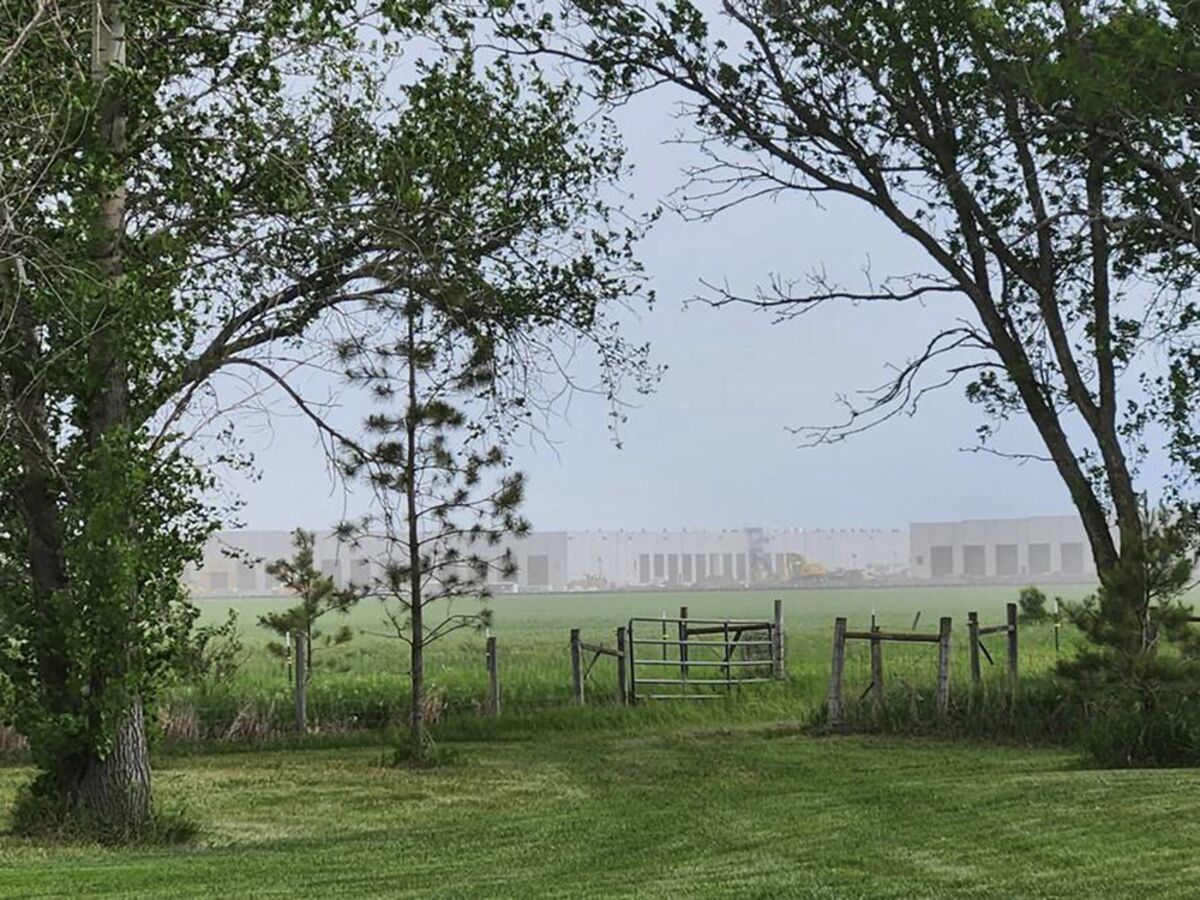
In Harwood, North Dakota, about three-fourths of voters—around 430 people—rejected a measure aimed at slowing industrial developments such as data centers. Harwood was a notable exception to the broader pattern of voters in dozens of U.S. towns opposing data centers in Tuesday’s elections; the article does not say residents directly voted to approve a data center.
Analysis
The signal is less about broad voter sentiment than about permitting becoming a fragmented, project-level constraint. A small-town vote is weak evidence on its own; the more material risk is cumulative: organized opposition can lengthen site approval, raise development costs, and push projects toward locations with available power, water, and receptive local governments. That can shift—not necessarily eliminate—data-center capex, benefiting approved-site owners and power/electrical-equipment suppliers while increasing schedule risk for developers and cloud operators committed to contested locations.
Near term, this result is unlikely to change sector earnings absent evidence of canceled or delayed projects. Over 1–3 months, monitor local ballot and zoning outcomes, utility interconnection queues, and company disclosures on permitting timelines and capital deployment. Over 6–18 months, repeated local resistance could alter regional buildout mix and increase the value of secured power and permitted land. The contrarian point: one favorable vote in Harwood, with limited participation, does not establish a national backlash—or a reversal of AI infrastructure demand. A thesis of broad data-center impairment would be falsified by continued project approvals and unchanged deployment guidance; the opposite thesis would weaken if multiple jurisdictions block projects or operators disclose material schedule slippage.
AllMind Terminal
AI-powered research, real-time alerts, and portfolio analytics for institutional investors.
Request TrialMarket Sentiment
Overall Sentiment
neutral
Sentiment Score
0.00
Key Decisions for Investors
- No standalone trade on this vote: its scale and representativeness are insufficient to support a company-level earnings revision.
- Treat permitting and interconnection as diligence variables when assessing data-center developers and cloud capex exposure; favor projects with demonstrably secured power and land over announced capacity without approvals.
- Watch for repeated adverse zoning outcomes, project delays, or capex deferrals before positioning against data-center demand. Those are stronger confirmation than isolated local votes.
- Potential relative-value watch: compare data-center developers exposed to contested sites with diversified electrical-equipment and power-infrastructure suppliers; do not assume suppliers benefit unless project timing and order visibility remain intact.
More News
- What Wall Street billionaires are saying about Democrats' midterm sweep
- NextDC shares surge 43% after Goodman, Digital Realty stake purchases
- Voters rebuff data centers in every ballot measure except one during the 2026 midterms
- Asian chip stocks slide as disappointing Qualcomm, Arm earnings weigh
- Oil and data centre stocks sink after US midterms
- China Blocks SoftBank Acquisition of ABB Robot Unit, FT Says