
Socfin publie sa stratégie de développement durable pour la période 2026-2031 ainsi que la version actualisée de sa politique de gestion responsable
Source: PR Newswire
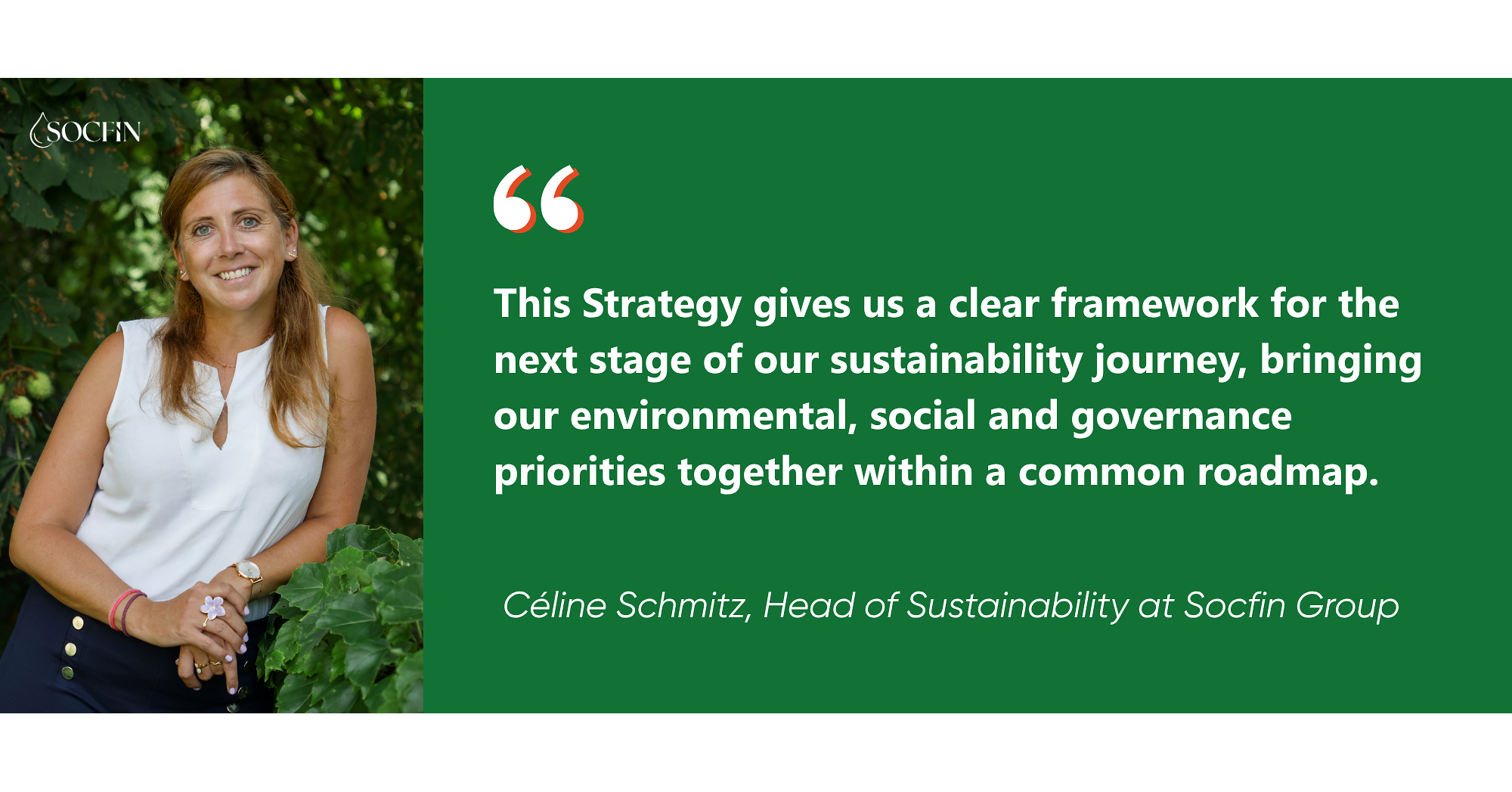
Socfin published a sustainability strategy for 2026–2031 and an updated responsible management policy, setting five priorities spanning governance and transparency, nature and climate, people and communities, responsible and traceable supply chains, and ESG performance. Implementation is planned in three phases: compliance and commitment-building in 2026–2027, deployment and consolidation in 2028–2029, then performance monitoring and continuous improvement in 2030–2031. The announcement sets out commitments and a roadmap but reports no financial targets or achieved results.
Analysis
The investable signal is not the policy language itself but whether traceability and human-rights diligence become auditable operating controls. If they do, fixed compliance costs may tilt sourcing toward larger, better-documented producers and raise the risk of smaller or opaque suppliers losing access to premium buyers. That could benefit compliant competitors and downstream buyers seeking to reduce supply-chain and reputational risk, while adding cost and execution risk for producers that must build systems across dispersed operations.
Socfin is not represented in the supplied ticker mapping, and the announcement gives no quantified capex, coverage targets, baseline metrics, or independently verified outcomes. Treat the near-term market impact as negligible; do not capitalize aspirational commitments into earnings. Over 1–3 months, the useful catalyst is disclosure of measurable milestones or evidence that buyers and certifiers are changing procurement. Over 6–18 months, implementation costs, traceability coverage, and any sourcing exclusions matter more than the policy itself. The contrarian risk is that investors either over-credit a multi-year framework now or dismiss it despite rising buyer/regulatory requirements that could make verified supply a competitive differentiator. The thesis weakens if progress reporting remains non-quantified or if buyers show no preference for traceable supply.
AllMind Terminal
AI-powered research, real-time alerts, and portfolio analytics for institutional investors.
Request TrialMarket Sentiment
Overall Sentiment
mildly positive
Sentiment Score
0.15
Key Decisions for Investors
- No direct Socfin equity trade is available from the supplied mapping; avoid expressing a directional palm-oil or natural-rubber position on this announcement alone.
- Set an alert for Socfin’s first quantified progress disclosure: verify traceability coverage, audit results, remediation outcomes, certification status, and implementation spending before assigning an earnings or valuation impact.
- Monitor procurement signals from major palm-oil and natural-rubber buyers and listed producers such as Wilmar, SD Guthrie, and Golden Agri. A documented shift toward verified suppliers would support a relative-quality view of producers able to demonstrate compliance; absent such evidence, do not initiate a pair trade.
- Reassess over the next 1–3 months if Socfin publishes measurable targets or if buyers/certifiers announce sourcing changes; over 6–18 months, falsify the differentiation thesis if reporting remains unquantified and procurement practices do not change.
More News
- Trump's diesel agreement with Putin accused of contradicting Russia sanctions law
- Trump reaches Russian diesel supply deal as U.S. fuel prices surge
- ‘I drive a Tesla’: After Elon Musk said he’d lose his job, Delta CEO Ed Bastian says there’s ‘no tit for tat’ as airline unveils earnings miss
- Trump struck a diesel deal with Putin just weeks after signing Russia sanctions. Zelenskyy calls it ‘a weak decision’
- Why is the Chinese stock market missing the AI rally
- Trump announces Russian diesel deal amid soaring US fuel prices
From AllMind Research
- Anthropic IPO Preview: Valuation, Timing, and What to Watch
- Shein After the IPO: Venue, Valuation, and What Must Be Proved
- What AI Research Tools Should a Small Hedge Fund Buy First?
- Capital IQ Alternatives for Research and Deal Work
- Research Workflows, Report Format Selection, and Interactive Synthesis