
Airbility Secures KRW 6.5 Billion Series A Led by Sazze Partners, Bringing Total Funding to USD 7.6 million
Source: PR Newswire
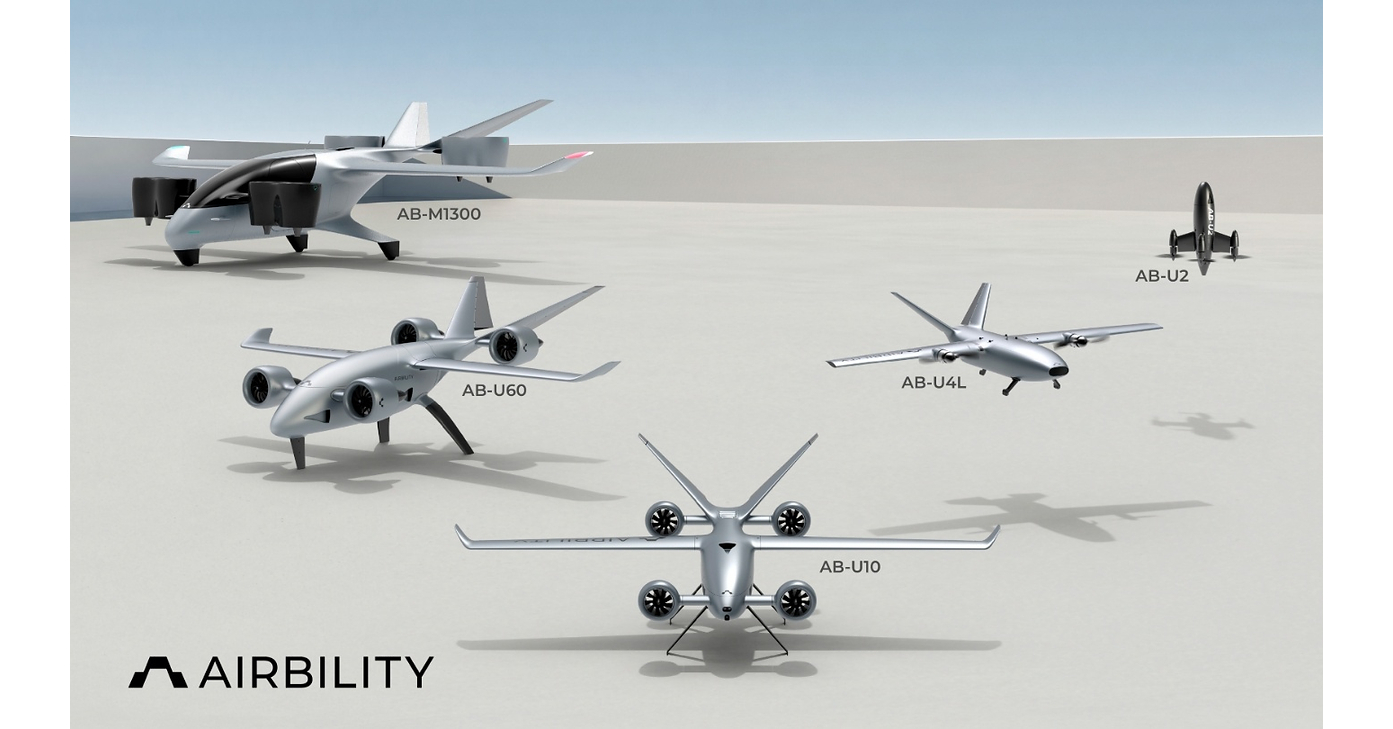
Airbility raised USD 4.7M (KRW 6.5B) in a Series A led by Sazze Partners, taking total funding to USD 7.6M (KRW 10.5B), to scale its integrated counter-UAS eVTOL portfolio. The company targets commercializing the AB-U10 by end-2026 and the AB-U2 and AB-U4L in 1H 2027, supported by plans to enhance onboard AI for independent mission execution in comms-limited environments. While valuation was not disclosed, the raise and accelerated commercialization roadmap are incremental-positive for the company’s defense commercialization prospects.
Analysis
The investable signal is the cost curve, not the financing size. If a low-cost, autonomous interceptor proves workable, the budget pool shifts away from high-end missiles toward layered counter-UAS stacks: sensors, EW, autonomy, and expendables that can be replenished quickly. That is structurally a margin-risk story for legacy prime contractors selling expensive one-shot interceptors, while creating optionality for small autonomy-and-systems names that can win on price-per-kill and deployment speed.
Near term, this is mostly a pipeline event, not a revenue event. The next 1-3 months should be judged on whether trial units convert into paid pilots, export licenses, and local references; without that, the funding is just runway. The real catalyst window is 6-18 months, when procurement cycles either validate the thesis in contested environments or expose it as a demo-stage product that cannot survive EW, attrition, or support requirements.
The consensus risk is overestimating how much defense buyers care about headline unit price and underestimating integration and sustainment costs. If the system needs a mothership, multiple interceptors, and external sensing, the true all-in cost may compress less than advertised once training, spares, and command-and-control are included. A stronger competing thesis is that the market ultimately prefers jamming or directed energy over air-to-air interception; that would cap the TAM for this category and blunt any knock-on benefit to public drone-defense equities.
AllMind Terminal
AI-powered research, real-time alerts, and portfolio analytics for institutional investors.
Request TrialMarket Sentiment
Overall Sentiment
mildly positive
Sentiment Score
0.25
Key Decisions for Investors
- No direct trade in HYMLF/IUSDF/KEP/TGT/TISI on this headline; the public-equity linkage is too remote and the signal is not strong enough for a standalone position.
- Set a 1-3 month alert on KTOS and AVAV: if counter-UAS procurement headlines or international pilot awards accelerate, consider a tactical long as the market may re-rate autonomous expendables and mission systems.
- Use RTX/NOC/LMT as a hedge basket only if evidence emerges that ministries are reallocating away from premium interceptor munitions; otherwise avoid shorting on this news alone.
- Watch for contract conversion, not MOUs: if Airbility announces a paid domestic or export order by 1H27, that would validate the lower-cost interception thesis and justify a medium-duration thematic long in drone-defense suppliers.
- Falsifier to the bull case: if field tests show poor performance in EW-heavy environments or no exportable program-to-contract conversion by end-2027, treat the category as a demo-cycle story and fade any related equity enthusiasm.
More News
- Here are Friday's biggest analyst calls: Nvidia, SpaceX, Tesla, Apple, Mobileye, EchoStar, Toll Brothers & more
- Amid rising streaming subscription costs, here are 3 strategies CNBC staffers use to save
- Trump waives broad new Russia sanctions and tariffs under Graham Act, citing national interest
- Iran-backed Houthis strike Yemen’s Aden: What that means
- Christine Lagarde: IMFC Statement
- Why did CoreWeave stock get crushed this week? Look to this corner of the debt market for clues
From AllMind Research
- Anthropic IPO Preview: Valuation, Timing, and What to Watch
- Shein After the IPO: Venue, Valuation, and What Must Be Proved
- What AI Research Tools Should a Small Hedge Fund Buy First?
- AI Research Tools for Pension Funds and Allocators
- AllMind's Data Standardization Methodology: Our Approach to Fundamentals