
Should Investors Bet on Diodes After the ElevATE Acquisition?
Source: zacks.com
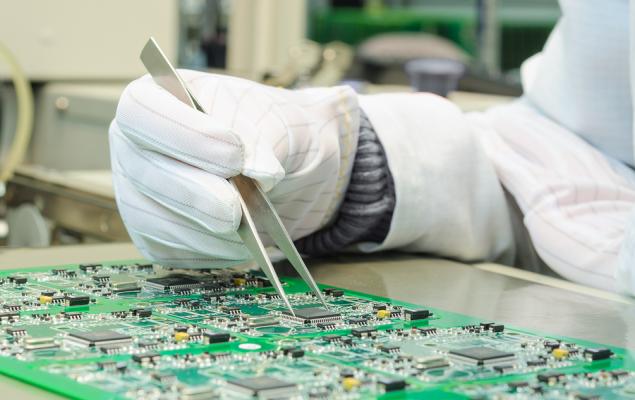
Diodes completed its $250 million all-cash acquisition of ElevATE Semiconductor, which is expected to add roughly $50 million of revenue in its first 12 months and grow at more than 20% annually over the subsequent four years. The higher-margin analog and mixed-signal test-chip business is expected to be immediately accretive to revenue, gross margin and EPS. The deal follows strong Q2 2026 results: revenue rose 21.7% year over year to $445.5 million, gross margin expanded 160bps to 33.1%, and non-GAAP EPS more than doubled to $0.70.
Analysis
The strategic value is less the initial revenue contribution than DIOD gaining a design-in position inside semiconductor test platforms, where qualification cycles are long and component content rises with test precision, power-management demands and parallel-test density. At the acquisition price, the implied entry multiple is roughly 5x first-year sales before growth; this is defensible only if the target's gross-margin premium is durable and management converts cross-selling into a materially higher mix rather than simply absorbing a niche supplier. The near-term earnings effect is likely modest relative to DIOD's existing revenue base, so a sharp stock reaction would be valuation-driven rather than fundamental.
Competitive read-through is nuanced: FORM and ASX are not clean losers, since probe-card, outsourced-test and tester-component demand can all expand with greater test intensity. The more relevant risk is that large ATE OEMs and vertically integrated analog vendors pressure pricing or dual-source critical components once volumes scale. A higher-margin acquired product mix can also mask weak utilization in DIOD's legacy discrete and commodity analog operations; investors should separate mix-driven margin improvement from broad-based operating leverage.
Consensus may be extrapolating recent end-market recovery and AI exposure into a sustained premium multiple. The falsification point over the next 1-3 quarters is whether consolidated gross margin expands despite purchase-accounting and integration costs, while organic industrial/automotive sales remain positive. Over 6-18 months, the key catalyst is disclosed design wins and a trajectory to target growth; absent those, the deal risks being viewed as an expensive attempt to buy cyclicality-resistant growth after DIOD's substantial share-price rerating.
AllMind Terminal
AI-powered research, real-time alerts, and portfolio analytics for institutional investors.
Request TrialMarket Sentiment
Overall Sentiment
moderately positive
Sentiment Score
0.68
Ticker Sentiment
Key Decisions for Investors
- Do not chase DIOD solely on the transaction. Establish a starter long only on post-earnings weakness if management guides to sequential gross-margin expansion and provides organic-versus-acquired revenue disclosure; target a 6-12 month holding period, with thesis invalidated by two quarters of declining legacy revenue or no margin accretion.
- Use a 3-6 month pair trade of long DIOD / short SOXX only after confirmation that acquired gross margin lifts consolidated results. This isolates execution-specific upside from a broad semiconductor multiple contraction; exit if DIOD underperforms SOXX by 10% following earnings despite meeting the margin test.
- Avoid shorting FORM or ASX as a direct read-through: their positions in the semiconductor test ecosystem are complementary, and rising test complexity can increase demand across the chain. Monitor FORM bookings and ASX test utilization as independent confirmation of a genuine test-intensity cycle.
- Set an alert for the next DIOD earnings release: incremental disclosure on target backlog, customer concentration, retention of key engineering staff and revenue synergies is required before underwriting the projected multi-year growth rate. Missing disclosure or integration-cost guidance would argue for reducing exposure rather than adding.
More News
- Crude Oil Rises Over 1%; Conagra Brands Earnings Top Views
- Stock Market News for Sep 30, 2026
- Asian stocks dip, bonds in focus after torrid September
- Paramount Skydance prices $42 billion debt for Warner Bros deal
- Tencent leases 100,000 chips from Oracle for $7 bln- FT
- California Gov. Gavin Newsom bans AI 'robo bosses' in landmark state law, reversing his earlier veto