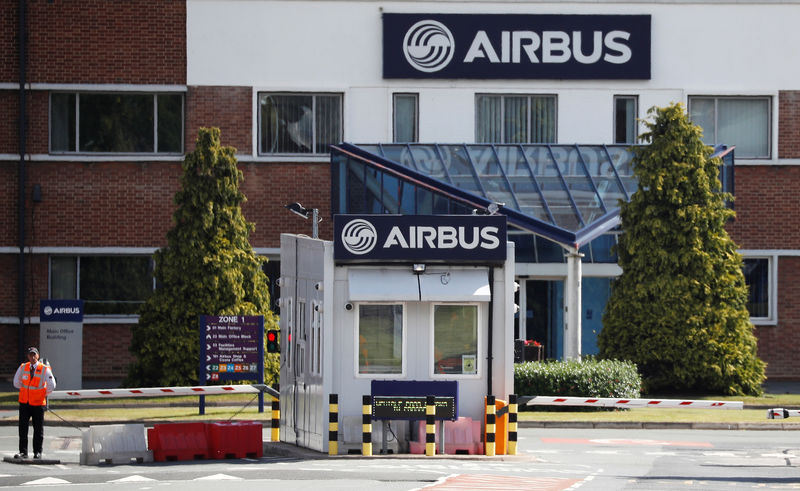
SAS is nearing an order for about 15 to 20 Airbus widebody aircraft, likely a mix of A330neo and A350 jets, with a deal expected to be finalized in coming weeks. The airline chose Airbus over Boeing to preserve fleet commonality and control costs, but it is also facing pressure from the Iran war-driven surge in jet fuel prices and delivery slot constraints. The news is modestly positive for Airbus and neutral to slightly negative for SAS due to operating cost and capacity pressures.
This is less a demand surprise than a competitive-capital-allocation signal: the European airframer is still winning large narrow network and replacement-driven widebody decisions when operators prioritize fleet commonality over “best airplane” rhetoric. The second-order read-through is that delivery-slot scarcity is becoming the binding constraint, so carriers increasingly buy whichever OEM can actually promise timing; that supports backlog quality for the winner and weakens price discipline for the loser. For the U.S. manufacturer, the key issue is not one deal size but the cumulative effect of repeated “close, then lost” campaigns on long-haul credibility.
The near-term catalyst risk for the loser is muted because aircraft orders move in slow motion, but the medium-term risk is more important: if route economics remain pressured by fuel volatility and geopolitical disruption, airlines will lean harder into commonality and maintenance simplification. That biases future widebody share toward incumbents inside each fleet family and makes it harder for the challenger to break in with marginal performance advantages. Conversely, if fuel normalizes and long-haul growth resumes, airlines may revisit dual-sourcing to preserve bargaining power, which would cap the incumbent’s pricing leverage.
The contrarian angle is that the market may be underestimating how much this is about capital discipline rather than market share. A handful of airline wins will not change the challenger’s valuation unless they translate into a materially better multi-year delivery cadence, so the stock reaction should be judged through backlog conversion, not headline order flow. The better trade is to express relative execution rather than outright directional conviction, because the industry backdrop remains noisy and the real P&L driver is slot availability over the next 24–36 months.
AI-powered research, real-time alerts, and portfolio analytics for institutional investors.
Request TrialOverall Sentiment
neutral
Sentiment Score
0.10
Ticker Sentiment
