
Hong Kong Restaurant Review: YuSang Brings Style to Korean Comfort Food
Source: Bloomberg
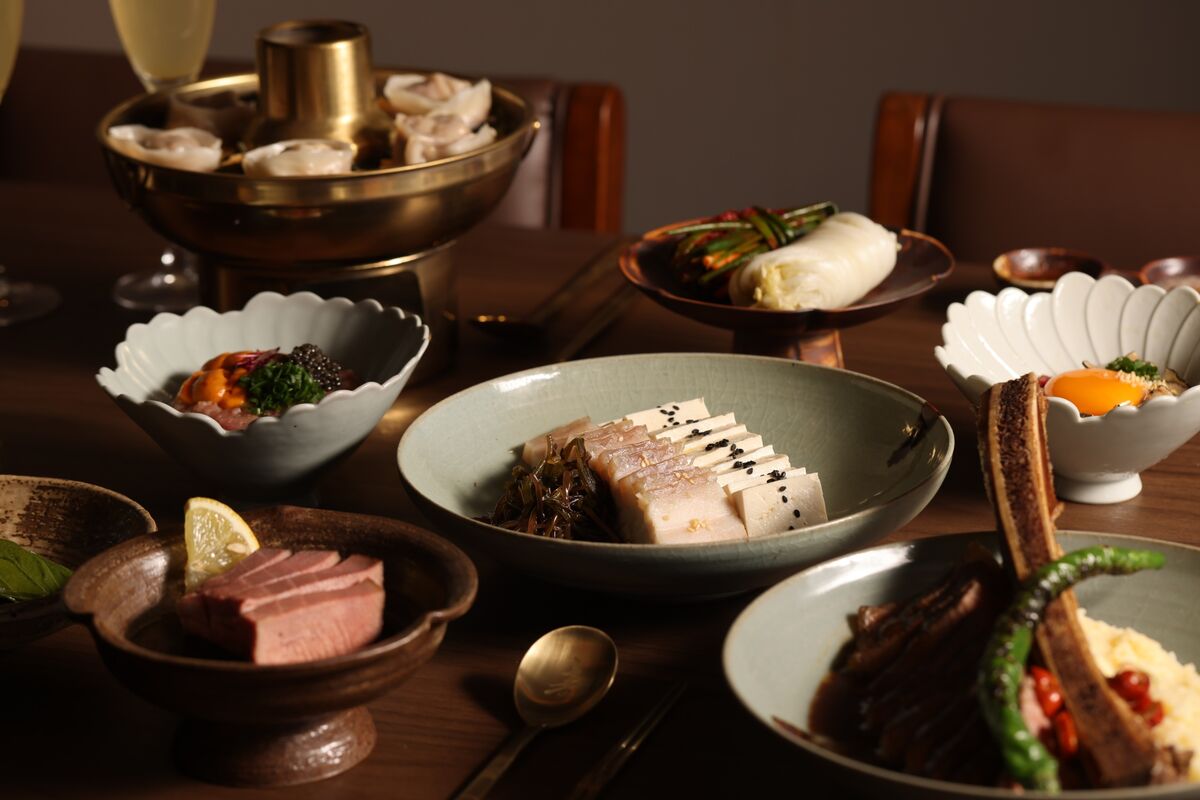
A review highlights YuSang, a newly opened Korean restaurant in Hong Kong’s Central district, and its galbijjim, a labor-intensive dish typically served for holidays. The article says the dish rivals holiday home cooking; no pricing, business results, or market reaction is reported.
Analysis
This is a single-venue editorial signal, not evidence of a broader turn in Hong Kong dining demand. The investable read-through is therefore weak: a favorable review may help YuSang’s bookings, but without ownership, scale, pricing, or repeat-traffic data there is no basis to infer a material public-company earnings impact.
The dish described points to a cost-and-capacity trade-off for premium Korean dining: long preparation and higher-value ingredients can support differentiation and pricing, but also raise execution risk and may constrain throughput. Whether that translates into attractive unit economics depends on menu pricing, utilization, labor costs, food waste, and repeat visits—none are provided.
Over the next few days, any effect is likely limited to the restaurant itself. Over 1–3 months, sustained review attention and reservation demand could be a useful local indicator, but it would need corroboration across venues or tourism and spending data before informing listed Hong Kong consumer exposure. Over 6–18 months, broader restaurant operators remain exposed to rent, labor, and input-cost pressure; this article does not establish a sector-wide demand or pricing trend. The contrarian point is that a polished editorial review can overstate commercial traction: acclaim is not proof of sustained covers or profits.
AllMind Terminal
AI-powered research, real-time alerts, and portfolio analytics for institutional investors.
Request TrialMarket Sentiment
Overall Sentiment
mildly positive
Sentiment Score
0.20
Key Decisions for Investors
- No trade on this item alone; the reported impact is too narrow and there are no identified public-company beneficiaries.
- Treat Hong Kong restaurant and consumer-discretionary exposure as a watch item, not a near-term catalyst. Seek corroboration from broad restaurant sales, tourism/spending data, or comparable-company commentary.
- If evaluating a hospitality operator, verify same-store sales or covers, average spend, repeat visitation, and food/labor cost trends before attributing earnings upside to premium menu demand.
- Falsify a broader positive read-through if subsequent sector data or operator guidance shows weakening covers, discounting, or cost inflation outpacing menu-price increases.
More News
- How Ambani’s Jio became India’s second-largest company
- S&P 500 Price Forecast: AI Spending Fears Put 7,500 Support at Risk
- France braces for fresh unrest, government vows tough response
- Bank of America says buy these stocks ahead of earnings before it's too late
- Meta’s Muse Could Upend All Kinds of Businesses. It Hasn’t Yet
- Ebola death toll in DR Congo passes 5,000