
Lenire Now Included in U.S. ENT Clinical Practice Guidelines - First New Treatment Added by American Academy of Otolaryngology Since Establishment of the Academy's Tinnitus Guidelines
Source: PR Newswire
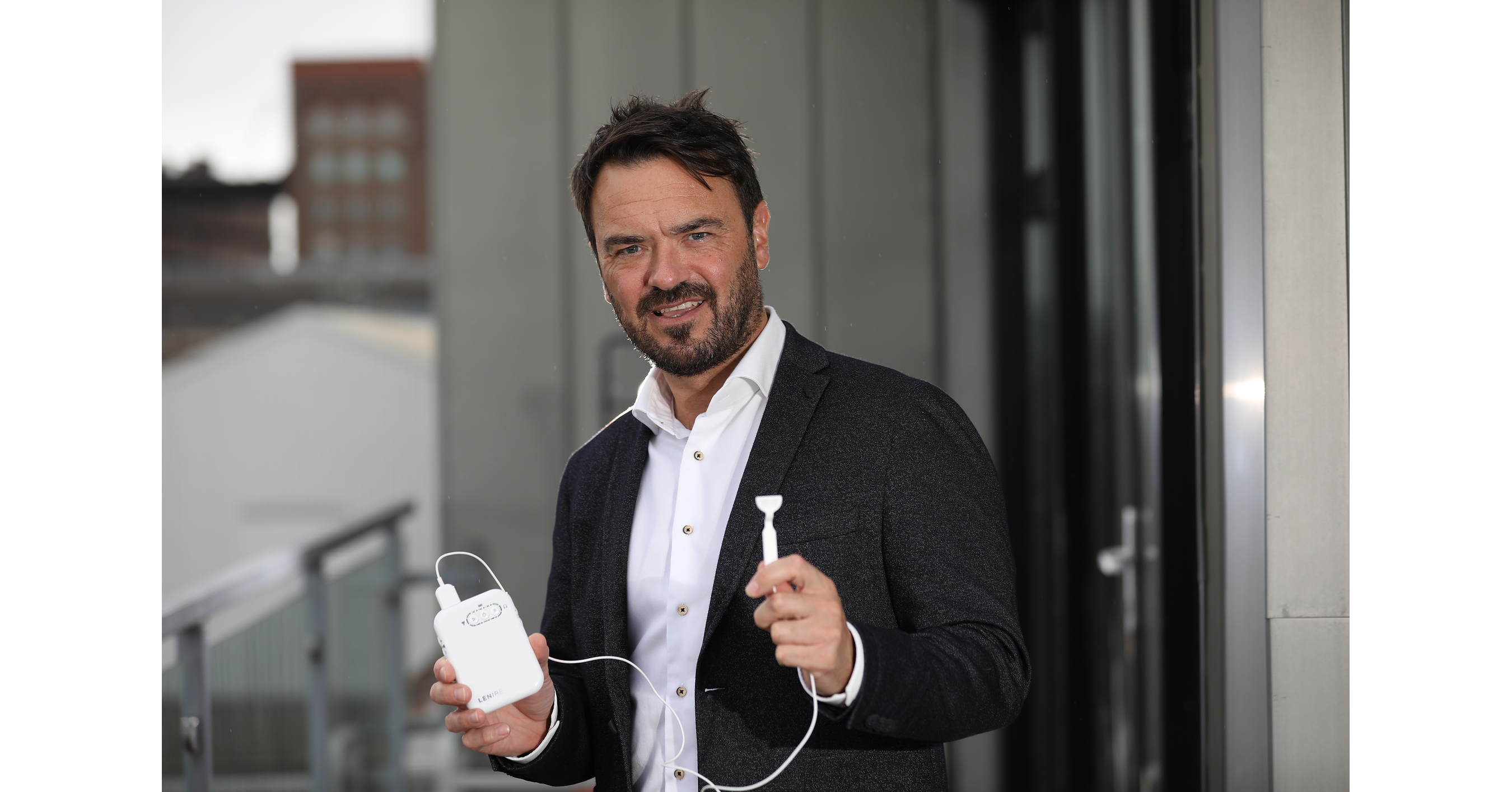
The AAO-HNSF included Neuromod Devices’ Lenire bimodal neuromodulation device as a tinnitus treatment option in its U.S. clinical practice guidelines—the only new treatment recommendation added since the guidelines were established in 2014. The company cites real-world studies reporting clinically significant tinnitus reductions in 91.5% of patients in one analysis and 81.8% of patients with bothersome tinnitus in another; the guideline inclusion may support broader clinical adoption.
Analysis
Guideline inclusion can reduce clinician hesitation and improve referral conversion, but it is not equivalent to broad reimbursement, routine prescribing, or a mandate to use Lenire. The commercial bridge is therefore clinic-level adoption: qualified-provider capacity, patient out-of-pocket cost and completion rates will matter more than the guideline announcement itself. The reported clinical-response rates are company-highlighted evidence; they do not establish incremental demand or payer economics.
Over the next days, the announcement may support sentiment around tinnitus-device adoption, but the supplied data identify no publicly traded company or ticker to express a direct position. Over 1–3 months, monitor whether Neuromod reports a measurable increase in prescribing sites, patient starts, payer/VA coverage, or revenue—not just clinician awareness. Over 6–18 months, successful channel expansion could pressure conventional symptom-management options at the margin, while also creating a complementary referral pathway for audiology and ENT practices. Hearing-aid makers are not automatic losers: tinnitus patients may still need hearing-loss treatment, and the device may serve a different clinical need.
Contrarian point: “new standard of care” is promotional framing. Guideline recognition lowers an adoption barrier but does not resolve affordability, access, real-world durability, or comparative effectiveness versus established care. The thesis weakens if provider uptake stalls, coverage remains limited, or subsequent independent evidence fails to replicate meaningful benefit.
AllMind Terminal
AI-powered research, real-time alerts, and portfolio analytics for institutional investors.
Request TrialMarket Sentiment
Overall Sentiment
moderately positive
Sentiment Score
0.50
Key Decisions for Investors
- No direct equity trade is identifiable from the supplied company mapping; do not infer a ticker for Neuromod Devices.
- Treat this as a watch item, not a standalone catalyst trade. Seek confirmation in provider-site growth, patient starts, coverage decisions, and reported sales before assigning durable revenue impact.
- For any later private-market or partner exposure, test whether the guideline increases paid treatment uptake rather than merely awareness; verify pricing, reimbursement, treatment completion, and repeatable outcomes.
- Falsification signals: adoption fails to accelerate over the next 1–3 months, payers do not expand coverage, or independent follow-up evidence undermines durability or comparative value.
More News
- Why did CoreWeave stock get crushed this week? Look to this corner of the debt market for clues
- AI stock sell-off ramps up over debt-fueled data center spending fears: ‘Full-blown crisis of confidence'
- Stock fixing scandal could see Turkish companies frozen out of global indexes
- All the news about the iPhone Duo
- The Tesla Roadster should go into production in 2028, but don't get your hopes up
- MSCI Ignites Indonesia Market Reckoning After Months of Warnings