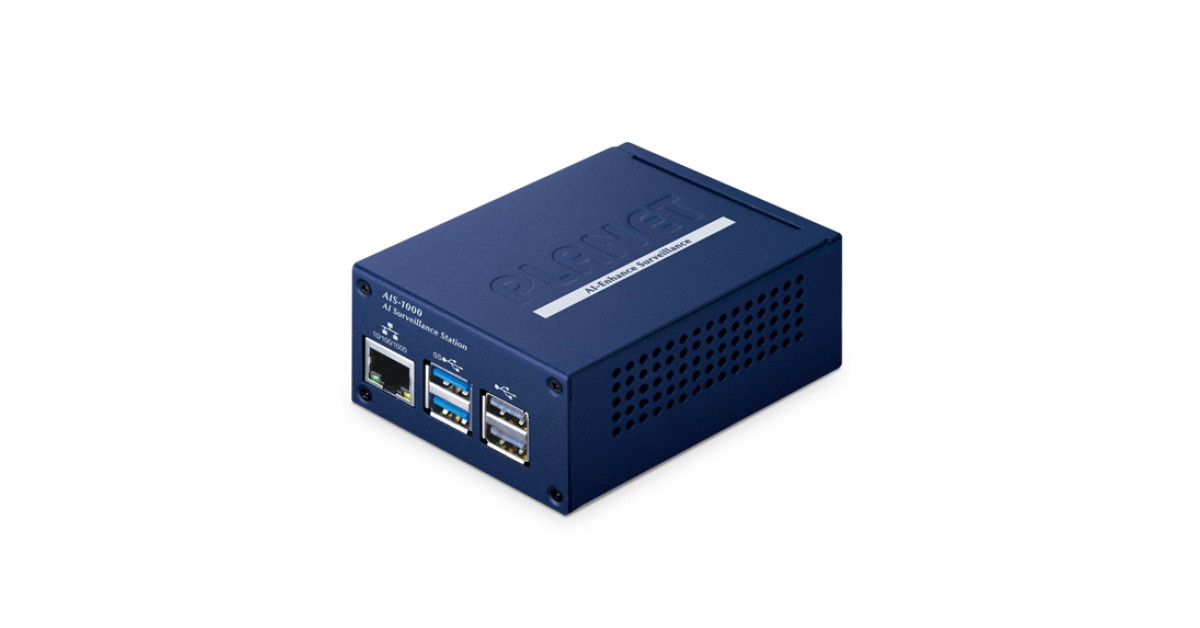
PLANET Technology USA launched the AIS-1000 AI Surveillance Station, positioning it as an edge-AI upgrade to traditional PoE surveillance. The product emphasizes local (on-device) processing to reduce latency and bandwidth use while improving threat detection (e.g., line-crossing, illegal vehicle entry, and fire/smoke detection). Management frames the shift as moving from passive recording to active detection, with availability for order through direct sales and distributors.
This is a signal of where enterprise AI monetization is migrating: away from centralized, recurring cloud inference and toward low-cost edge appliances sold through channels. That matters more for hardware attach rates and integrator economics than for hyperscaler revenue, so the direct earnings impact on GOOGL is effectively noise unless this becomes a broad architecture shift across large fleets.
The second-order read for GOOGL is mixed. On one hand, edge processing reduces bandwidth and storage pull-through, which is a modest headwind to cloud-centric video analytics and long-duration retention workloads. On the other hand, it reinforces the value of cloud platforms that can manage identity, policy, and fleet orchestration across distributed devices — a bigger opportunity for Google Cloud only if Google can own the control plane, not just the model layer.
Near term, there is no tradeable catalyst here; this is a channel announcement, not verifiable demand evidence. Over 1-3 months, the key check is whether large security or industrial customers repeat this architecture in earnings calls or partner disclosures. Over 6-18 months, widespread edge adoption would be mildly negative for pure cloud inference mix, but not enough to change the GOOGL thesis absent proof of lost enterprise workloads.
AI-powered research, real-time alerts, and portfolio analytics for institutional investors.
Overall Sentiment
mildly positive
Sentiment Score
0.18
Ticker Sentiment
