
New Research from Tillo Finds Gift Cards Have Become the Quiet Budgeting Tool for U.S. and UK Adults
Source: PRWeb
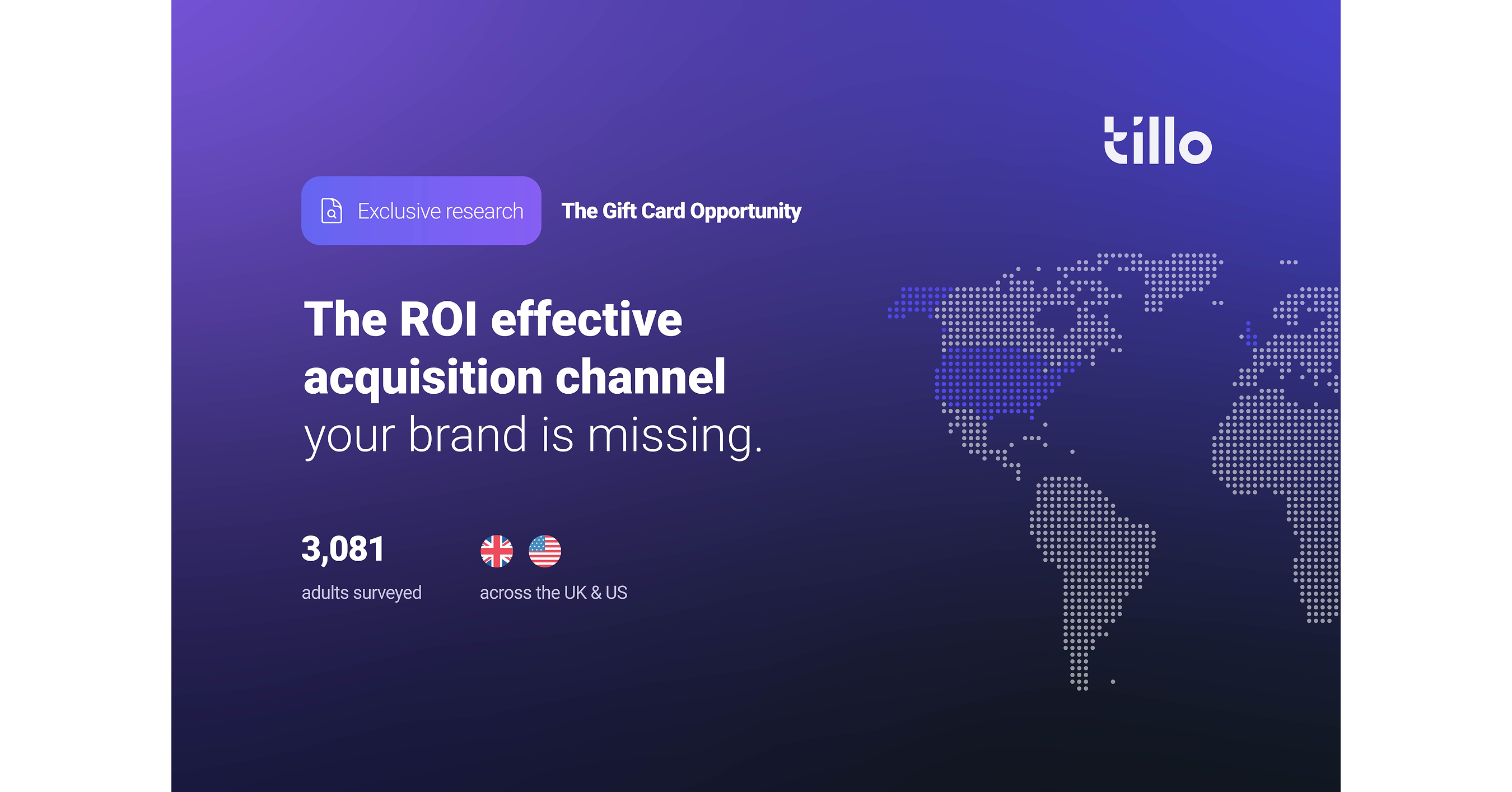
Tillo's survey of 3,081 U.S. and UK consumers found 18% in each market had bought a gift card to control spending, while 42% cited rewards or incentives as a reason for self-purchase. When offered a reward, 53% of Americans and 58% of Brits preferred a gift card over delayed cashback or a future-purchase coupon; 89% and 92%, respectively, said a gift card would make them more likely to try a new brand. The report points to potential for gift cards to support budgeting, customer acquisition and brand loyalty, while noting shoppers want to buy across an average of three channels and many brands offer only one.
Analysis
The investable distinction is between payment timing and incremental demand. A gift-card purchase can bring cash forward and constrain a budget to one merchant, but it does not by itself establish higher lifetime spend: some buyers spend only the card balance, while earlier purchases may be pulled forward from later periods. Promotions and reward-funded cards may also carry an acquisition cost that offsets any benefit from upfront cash. Retailers with strong repeat-purchase economics could benefit if cards introduce genuinely new customers; weaker brands risk subsidizing purchases that would have occurred anyway.
The evidence is a vendor-commissioned, self-reported survey, not transaction data. It does not quantify card values, redemption, breakage, promotional discounts, or incremental sales. Treat the claimed shift toward gift cards over cashback as a hypothesis to test, not a forecast for retailer revenue or margins. No named public company or investable security is established by the report.
Near term, the holiday-season narrative may support gift-card marketing, but likely has limited fundamental signal absent evidence of higher purchase volumes. Over 1–3 months, watch retailer disclosures for gift-card sales, redemption timing, promotional intensity, and whether new-customer cohorts repeat. Over 6–18 months, broader adoption could help loyalty and cash conversion, but may also concentrate consumer spending and increase reliance on discounting. The thesis weakens if gift-card growth mainly substitutes for ordinary checkout or if redemption and repeat-purchase data fail to show incremental demand.
AllMind Terminal
AI-powered research, real-time alerts, and portfolio analytics for institutional investors.
Request TrialMarket Sentiment
Overall Sentiment
mildly positive
Sentiment Score
0.15
Key Decisions for Investors
- No directional trade from this survey alone. It provides no issuer-level transaction, margin, or valuation data, and Tillo is not identified as a listed company in the supplied data.
- Use holiday gift-card commentary as a watch item for consumer-facing retailers, not a standalone buy signal. Seek reported card sales alongside redemption, discounting, and comparable-sales trends before assigning incremental revenue.
- Prefer retailers that can demonstrate customer acquisition and repeat visits over those relying on broad discounts; the key falsifier is gift-card growth accompanied by weaker full-price sales or no improvement in repeat purchasing.
- For any future thematic exposure to gift-card infrastructure, first verify public-company exposure and segment economics. The report does not establish which listed platforms capture meaningful fees or how much sales are incremental.
More News
- South Korean carmaker Hyundai plans 'strategic' investment of $15.5 billion in India by 2032
- Namibia battles cattle disease outbreak as EU suspends several meat imports
- Applied Materials’ $5 billion AI lab aims to cut chip development time in half—and restore Silicon Valley’s edge
- Wells Fargo CFO on Earnings, Deals, Consumer Strength
- Bank of America hit with more than $1.2 billion in penalties over money-laundering violations
- Meta’s Muse models reach the AI frontier—and kill any hopes to ‘pace’ it