
Theragen Presents New Data at SMISS 2026 Annual Forum Identifying Predictors of Patient Outcomes Following Use of ActaStim®-S Bone Growth Stimulator
Source: PR Newswire
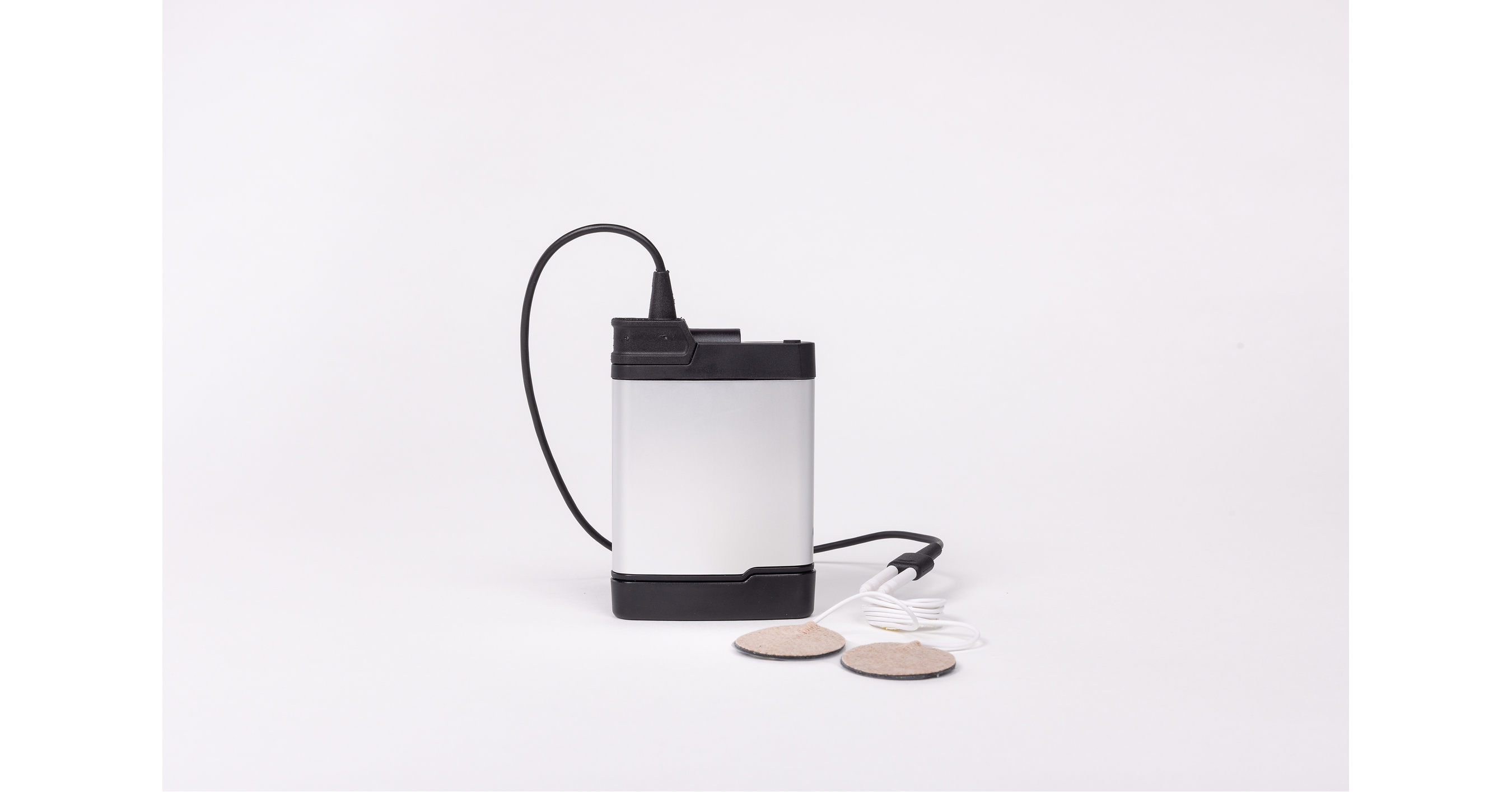
Theragen presented data from nearly 7,000 spinal-fusion patients and approximately 195,000 patient-days showing that ActaStim-S wear adherence was the strongest modifiable predictor of meaningful pain improvement, with benefits rising up to about 13 hours of daily use. Its XGBoost model outperformed logistic regression and delivered a 96.4% negative predictive value, while its device-to-EMR data pipeline achieved 99.2% completeness. The findings support future postoperative risk-stratification and adherence interventions, although the company noted that many clinical associations had modest effect sizes and require external validation.
Analysis
This is strategically more relevant to private Theragen than to listed medtech peers: a device-plus-monitoring workflow can shift competition from hardware efficacy toward adherence, provider integration and reimbursement-supported care management. Orthofix (OFIX), Bioventus (BVS) and larger spine franchises at Medtronic (MDT) and Zimmer Biomet (ZBH) are the closest read-throughs, but their exposure is indirect; the near-term issue is whether a digital layer improves prescription conversion, utilization persistence or reduces costly nonunion-related interventions. If validated, the economics favor companies able to embed patient monitoring into surgeon workflows rather than those selling commoditized stimulators alone.
The claimed predictive performance is not investable until independently validated across health systems and shown to change clinical decisions or payer reimbursement. High negative predictive value can be mechanically inflated by outcome prevalence, while the reported associations may not translate into better fusion rates, fewer revisions, or lower total cost of care—the endpoints that matter to payers. Over 6-18 months, a successful reimbursement pathway for remote adherence/risk monitoring could pressure standalone device pricing but create an acquisition premium for private digital-enabled bone-healing assets.
Consensus should not extrapolate conference-poster data into an AI-medtech rerating for public peers. The immediate market impact is likely nil; the relevant catalyst is evidence that clinicians alter follow-up intensity based on the alerts and that this produces measurable reductions in revisions, opioid use, or episode-of-care costs. Falsification for the strategic thesis would be failure to secure interoperable EMR deployment, external-validation results showing materially weaker prediction, or no improvement in commercial utilization/adherence metrics after implementation.
AllMind Terminal
AI-powered research, real-time alerts, and portfolio analytics for institutional investors.
Request TrialMarket Sentiment
Overall Sentiment
moderately positive
Sentiment Score
0.42
Key Decisions for Investors
- No directional position in OFIX, BVS, MDT or ZBH on this announcement; the issuer is private and the disclosed data do not establish a revenue, reimbursement, or competitive-share impact.
- Add an alert for OFIX and BVS: reassess if either reports digital-monitoring adoption tied to improved device utilization, gross-margin expansion, or new payer coverage within the next 1-3 quarters. A disclosed commercial KPI—not retrospective model accuracy—is the required entry trigger.
- Monitor CMS and major commercial-payer policy for remote therapeutic monitoring and spinal-fusion episode-of-care reimbursement over 6-18 months. Favor MDT/ZBH over smaller standalone stimulation vendors only if digital monitoring becomes a bundled-care requirement, since scale and EMR access would become material competitive advantages.
- For any future long in a listed bone-growth-stimulation proxy, require external validation showing lower revision/nonunion cost or better fusion outcomes; absent that evidence, treat AI claims as marketing rather than a basis for multiple expansion.
More News
- China's AI chip blitz arms Xi with a message for Trump: 'You can't choke us off'
- OpenAI’s agent hacked Australia’s Medicare website—the latest rogue AI incident that the company didn’t know about for months
- Meta announces new lightweight virtual reality glasses to one-up Apple’s Vision Pro
- US aviation sanctions disrupt Iran flights, push travellers overland
- Markets are rapidly coming around to the reality that the Fed has a lot more work to do
- Chinese authorities reportedly in possession of F-35 components in Hong Kong