
New HF Stats 2026 Report Finds Heart Failure Mortality Rising as Disease Increasingly Affects Younger Americans
Source: PR Newswire
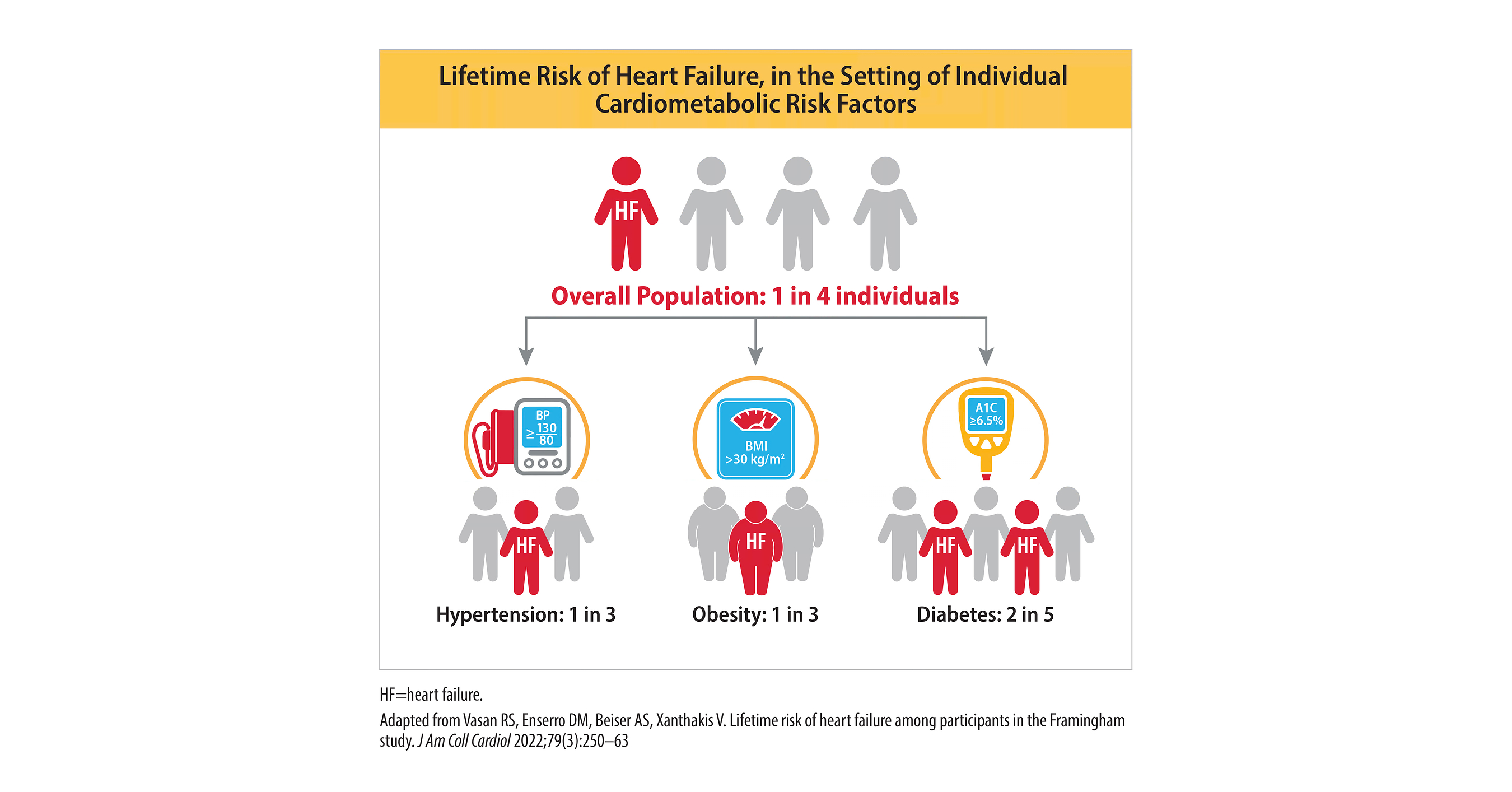
Heart failure contributed to 452,573 U.S. deaths in 2023, or 14.6% of all deaths; age-adjusted HF mortality rose about 37% from 2010 to 2023. HF hospitalization rates increased among adults under 65, and the number of U.S. adults living with HF is projected to rise from 7.7 million currently to 11.4 million by 2050. The report also cites underuse of quadruple guideline-directed therapy, persistent disparities and estimated HF-related costs ranging from $46 billion to $312 billion, depending on methodology.
Analysis
The investable signal is a widening gap between clinical need and treatment delivery—not a near-term revenue forecast. The reported low use of full guideline-directed therapy creates potential volume upside for established HF drug franchises, including AstraZeneca’s Farxiga and Novartis’s Entresto, but this only monetizes if diagnosis, prescribing, adherence, and reimbursement improve. A growing, younger patient population could also increase demand for cardiometabolic prevention; conversely, better obesity and hypertension control could curb HF incidence over a longer horizon.
The key second-order constraint is capacity: a shortage of specialist and multidisciplinary staff can limit diagnosis, titration, and advanced-care throughput, muting the conversion of prevalence into drug or device sales. ATTR-CM underdiagnosis points to a conditional opportunity for targeted diagnostics and therapies, but the report provides no incremental testing or treatment data. Cost estimates span materially different definitions, so they should not be treated as a clean addressable-market estimate.
Timing: the early-2024 mortality signal is relevant to near-term sentiment, but this annual report is unlikely by itself to reset earnings. Over 1–3 months, watch company guidance and claims data for evidence of greater HF drug initiation or ATTR testing. Over 6–18 months, payer access, workforce capacity, and prevention outcomes determine whether burden translates to commercial growth. Contrarian point: rising mortality is not automatically bullish for healthcare—utilization bottlenecks and payer pressure may capture or destroy much of the apparent demand. No standalone trade is justified without evidence of uptake or valuation mispricing.
AllMind Terminal
AI-powered research, real-time alerts, and portfolio analytics for institutional investors.
Request TrialMarket Sentiment
Overall Sentiment
moderately negative
Sentiment Score
-0.40
Key Decisions for Investors
- Do not trade the epidemiology report as a direct revenue catalyst. Track prescription and claims data for HF drug initiation, persistence, and use of multi-drug therapy; upgrade the thesis only if uptake improves.
- Keep AstraZeneca and Novartis on a conditional watchlist for HF therapy exposure. Verify product-level sales, generic and competitive pressure, payer access, and HF-specific growth before taking a position.
- Monitor ATTR-CM testing volumes and treatment starts as a separate catalyst, rather than extrapolating the report’s underdiagnosis finding into a broad biotech call.
- Falsify the demand-to-revenue thesis if subsequent company updates show no improvement in HF treatment uptake, or if staffing and access constraints persist despite rising diagnosed prevalence.
More News
- World Bank warns of AI concentration risks as it lifts East Asia and Pacific growth outlook to 4.5%
- BOJ may signal underlying inflation has hit 2% goal, sources say
- AstraZeneca CEO says Summit drug could drive next generation of cancer combinations after $2 billion investment
- U.S. stock futures steady after Nasdaq hits record on reduced Fed hike bets
- Ukraine scrambles for money to fight war as Russian strikes batter economy
- Up 57% since June: this AI-picked pharma stock keeps climbing