
De HUAWEI WATCH D3 debuteert op ISH-ECS 2026 en brengt geavanceerde bloeddrukmeting binnen handbereik.
Source: PR Newswire
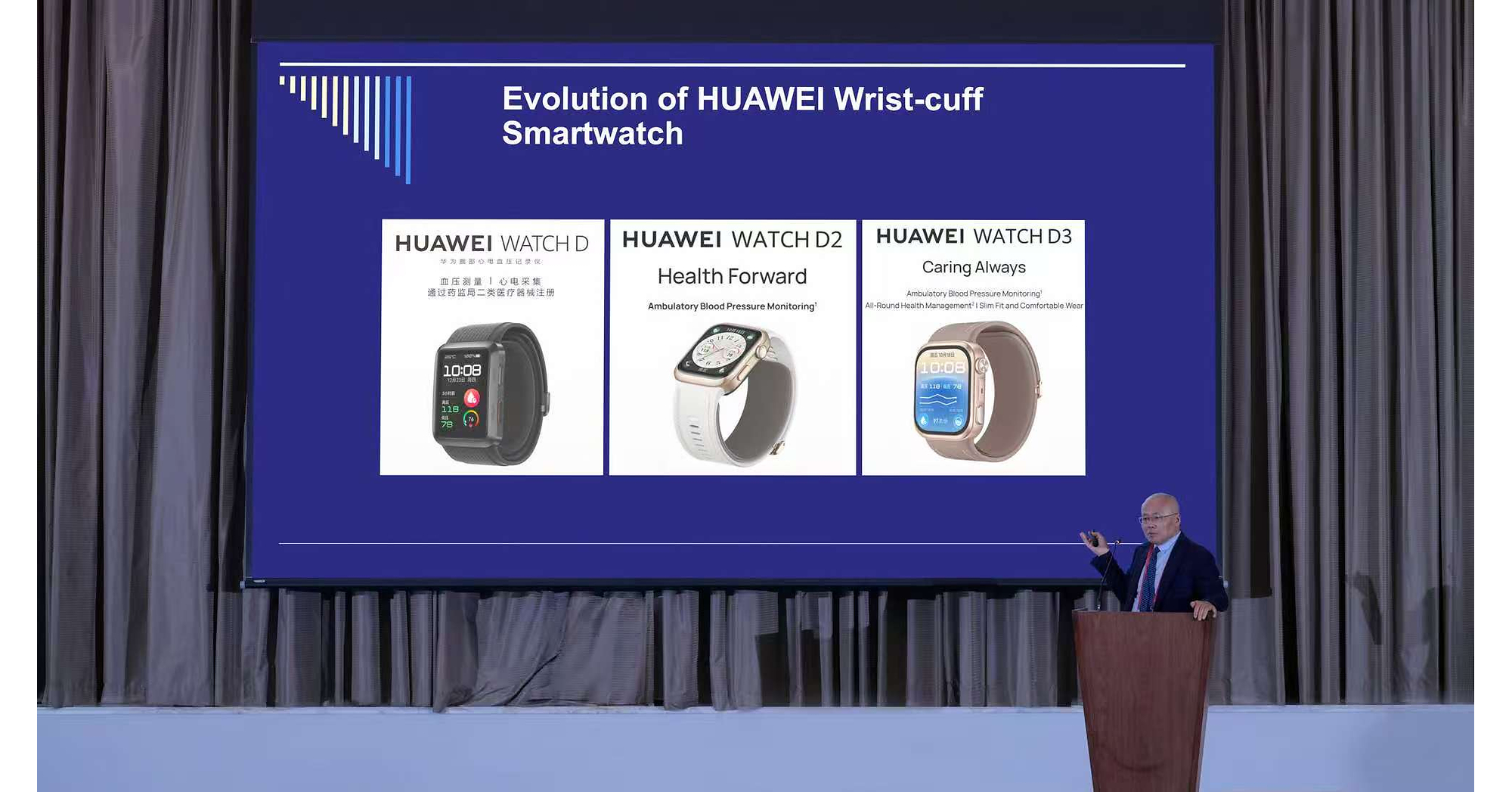
Huawei presenteerde de WATCH D3 op ISH-ECS 2026, met polsmanchetmetingen en een nieuwe bloeddrukmeetmodus vóór en na inspanning; volgens Huawei is die modus de eerste in zijn soort met EU CE-certificering onder de MDR en een Chinese registratie als medisch hulpmiddel van klasse II. Een onderzoeksaanpak die PPG-monitoring combineert met manchetmetingen wil het aantal benodigde metingen terugbrengen van 27 naar 7. Huawei en ISH richtten ook een fonds voor draagbare bloeddruktechnologie op; de eerste drie projecten werden geselecteerd uit meer dan 80 aanvragen.
Analysis
The investable read-through is a possible shift in wearable-health competition from step-counting and generic wellness features toward clinically credible monitoring. If validated cuff-based devices improve adherence, value could accrue to platforms that can connect readings to care workflows and recurring health services—not necessarily to the watch maker. Conversely, device makers face higher evidence, regulatory and support costs; guideline recognition of a device category is not product endorsement, and the article does not establish independent validation, reimbursement, or consumer demand for this model.
The proposed hybrid monitoring approach is the key technical claim to diligence: fewer cuff inflations could reduce user disruption, but continuous PPG remains dependent on calibration and real-world performance across users and conditions. If that trade-off fails in independent studies, the claimed usability advantage—and any clinical adoption case—weakens. A further second-order risk is that more frequent readings can generate false alarms and follow-up burden, limiting clinician enthusiasm.
Near term, the launch and conference exposure are unlikely to support a clean equity catalyst: Huawei has no listed equity exposure here, and no sales, pricing, or adoption data are supplied. Over 1–3 months, watch for independent study results, regional availability, and regulatory/clinical guidance that specifically addresses the D3 rather than wrist-cuff devices generally. Over 6–18 months, successful adoption could pressure Apple and Samsung to demonstrate stronger clinical utility, while raising the bar for smaller wearable competitors. The contrarian point: category-level guideline recognition may be priced as clinical validation, though the commercial bottleneck is likely evidence, workflow integration, and sustained use—not awareness.
AllMind Terminal
AI-powered research, real-time alerts, and portfolio analytics for institutional investors.
Request TrialMarket Sentiment
Overall Sentiment
moderately positive
Sentiment Score
0.40
Key Decisions for Investors
- No immediate directional trade: treat this as a product-positioning signal, not evidence of material revenue or earnings impact. Huawei is not a direct listed-equity expression in the supplied data.
- Add Apple and Samsung to a competitive watchlist, not a short thesis. Revisit only if independent results show durable user adherence and clinical utility, followed by evidence that those features influence device upgrades or health-service engagement.
- Set an alert for independent D3-specific validation, regulatory status by market, launch geography, pricing, and sell-through. Do not infer product-level endorsement from guidelines discussing validated wrist-cuff devices as a class.
- Falsify the adoption thesis if independent studies show poor agreement with reference measurements, calibration drift, or no meaningful reduction in measurement disruption; also reassess if availability remains narrow or Huawei discloses weak demand.
More News
- What investors need to know about Alphabet's stock-busting earnings report
- SK Hynix says the memory-chip shortage will last until 2030—and more than half its production is booked for the next two years
- Microsoft’s strong quarter backs up its stock rebound. Here's our new price target
- Google struggling to make AI Mode searches pay
- As Waymo expands overseas, it remains a niche cash-burning business
- Trump methane policy rollback may have minimal impact on crude prices, EPA says