
AI Agents Are Influencing Product Decisions Without Explicit Human Authorization, Warns Info-Tech Research Group
Source: PR Newswire
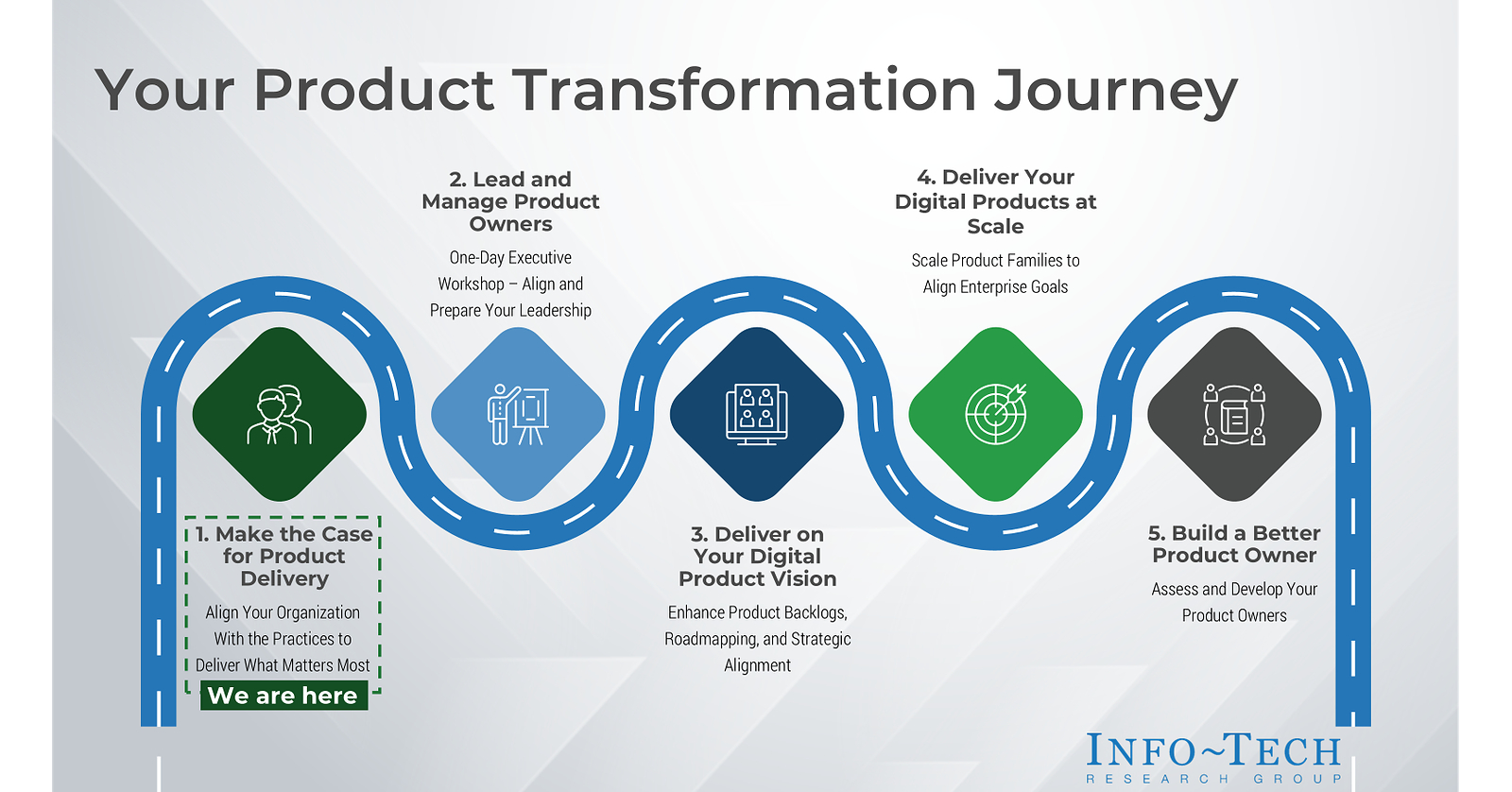
Info-Tech Research Group's new product-delivery blueprint highlights governance risks from AI agents making or influencing workflow decisions without explicit human authorization. The five-step framework calls for organizations to map human-versus-agent authority, establish approval and override paths, and assign accountability across the product lifecycle. The announcement is advisory research rather than a material corporate or market event, but underscores growing enterprise demand for AI governance controls.
Analysis
This is not a standalone revenue catalyst, but it reinforces an emerging enterprise spend category: control planes for agentic workflows. As firms move agents from copilots to systems that can execute changes, procurement shifts from model access toward identity, authorization, logging, testing, and override capabilities. That favors platforms already embedded in enterprise workflows—ServiceNow (NOW), Microsoft (MSFT), Palo Alto Networks (PANW), CrowdStrike (CRWD), Okta (OKTA), and SailPoint (SAIL)—rather than pure-play foundation-model vendors whose monetization depends on higher autonomous usage.
The near-term implication is likely incremental consulting and governance spending, not an immediate software-budget unlock. Over 1-3 months, watch for CIO commentary linking agent deployments to auditability, privileged-access management, and workflow controls; this would support higher attach rates for NOW's governance/workflow modules and PANW/CRWD identity-security offerings. The 6-18 month structural risk for AI application vendors is that human-review requirements slow realized labor-displacement ROI, elongating agent rollout cycles and compressing the premium assigned to aggressive AI revenue assumptions.
Consensus is focused on inference consumption and agent adoption velocity, while underpricing the possibility that authorization bottlenecks become the binding constraint. The contrarian outcome is not less AI spend but a reallocation: enterprises may consolidate around incumbent workflow and security platforms to avoid fragmented accountability. This press release provides no independently verifiable adoption, contract, or budget data, so it does not justify a directional trade by itself; confirmation should come from enterprise-software bookings, security attach rates, and disclosed agent-governance deployments.
AllMind Terminal
AI-powered research, real-time alerts, and portfolio analytics for institutional investors.
Request TrialMarket Sentiment
Overall Sentiment
mixed
Sentiment Score
0.05
Key Decisions for Investors
- No immediate position from this item alone; treat as a thematic watch signal rather than a catalyst. Require Q3/Q4 earnings evidence of governance, identity, or agent-control demand before underwriting incremental revenue.
- Monitor NOW for 1-3 month upside if management quantifies AI workflow governance attach rates or raises subscription guidance; a sustained acceleration in cRPO or large-deal activity would validate that product operating-model spend is becoming software spend. Falsifier: AI commentary remains services-led while subscription growth decelerates.
- Consider a 6-12 month basket long PANW/CRWD/SAIL versus a short basket of high-multiple, agent-exposure software names only after valuation and consensus-estimate screening. The thesis is that authorization, monitoring, and audit requirements capture a larger share of enterprise AI budgets; falsify if autonomous deployments scale without corresponding identity-security billings growth.
- Watch OKTA's net retention, workforce identity bookings, and governance-module adoption as a cleaner authorization proxy. A reacceleration in identity governance demand would be investable; continued competitive pricing pressure or weak dollar-based retention would invalidate the setup.
More News
- Google's Gemini becomes latest AI model to break out and hack computer systems
- UBS now expects AI capex to reach nearly $1tn this year and around $1.4tn by 2027
- Stocks face a key hurdle in next week’s U.S.-China summit. Here’s what’s at stake
- AI almost led the US military to start a war with China, report says
- Warren Buffett stepping down as chairman of Berkshire Hathaway: 'Father Time always wins'
- Google’s Gemini AI hacks 3 companies in security test, then stops