
The Case For AMD And SOXX: Semis Are In Bear Territory, AMD Says Demand Is Fine
Source: seekingalpha.com
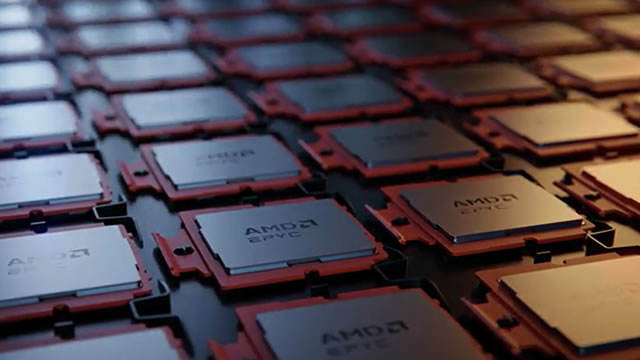
AMD reported its best quarter ever and forecast 2027 revenue growth above 80%, indicating continued AI-chip demand. However, free cash flow fell to 4% of revenue as inventory, new debt and customer financing funded the Helios ramp. Semiconductor stocks have entered a second bear market amid hyperscaler cash-burn concerns, despite the four largest hyperscalers planning about $730 billion in 2026 CapEx.
Analysis
The key underwriting issue is whether the Helios-related cash absorption is temporary working capital or evidence that growth is being financed to customers rather than converted into durable cash. The latter would weaken the quality of AMD’s growth and could pressure its multiple even if reported revenue continues to accelerate. Verify inventory aging, receivables, customer-financing terms, and subsequent cash collection before treating the free-cash-flow conversion as a benign ramp effect.
Hyperscaler capex plans support the demand backdrop, but are not equivalent to realized AMD orders: deployment timing, allocation among accelerators, and the customers’ own cash-generation constraints matter. A capex pause or a shift in spending mix could therefore hit expected growth before headline plans change. Nvidia and Broadcom may also compete for the same constrained budgets; conversely, broader AI infrastructure buildout can benefit networking, memory, and power suppliers without guaranteeing AMD share gains.
Over days, the stock may remain caught between strong guidance and cash-flow skepticism. Over 1–3 months, the decisive catalysts are order conversion and the next cash-flow/inventory disclosures. Over 6–18 months, sustained growth with improving cash conversion would support a rerating; continued borrowing, customer support, or inventory accumulation would make growth less valuable. The contrarian opportunity is that sector-wide hyperscaler fears may discount demand too aggressively—but the growth guide alone does not resolve execution or financing quality.
AllMind Terminal
AI-powered research, real-time alerts, and portfolio analytics for institutional investors.
Request TrialMarket Sentiment
Overall Sentiment
mixed
Sentiment Score
0.15
Ticker Sentiment
Key Decisions for Investors
- Avoid chasing the guidance in isolation. Consider a small, beta-hedged long AMD / short semiconductor ETF position only after a pullback or evidence of order conversion; this targets AMD-specific execution resilience while limiting broad sector exposure. The hedge is imperfect because AMD is likely represented in the ETF.
- Treat the next quarterly disclosures as the entry trigger: monitor inventory and receivables relative to revenue, operating cash flow, customer-financing exposure, and whether Helios shipments convert to cash. If these improve while guidance holds, add to the long; if they deteriorate, exit rather than average down.
- Falsify the constructive thesis if guidance is cut, inventory or receivables continue building faster than sales, or debt/customer financing expands without corresponding cash collection. A broad hyperscaler capex reduction or evidence of weaker accelerator allocation would also invalidate the sector-demand hedge.
More News
- What Wall Street billionaires are saying about Democrats' midterm sweep
- A blue wave sends futures into the green
- Why we're kicking CVS out of our Bullpen watchlist. Plus, Intel's CEO makes a stand
- AMD's record quarter: Data center business doubles, while gaming craters
- Tech Mostly Higher After Democrats Win Control of Congress
- European shares jump over 1% after Democrats sweep US Congress, Novo Nordisk surges