
Siding Pros Say the Scariest Part of Any Home Isn't the Attic, It's Behind the Walls
Source: PR Newswire
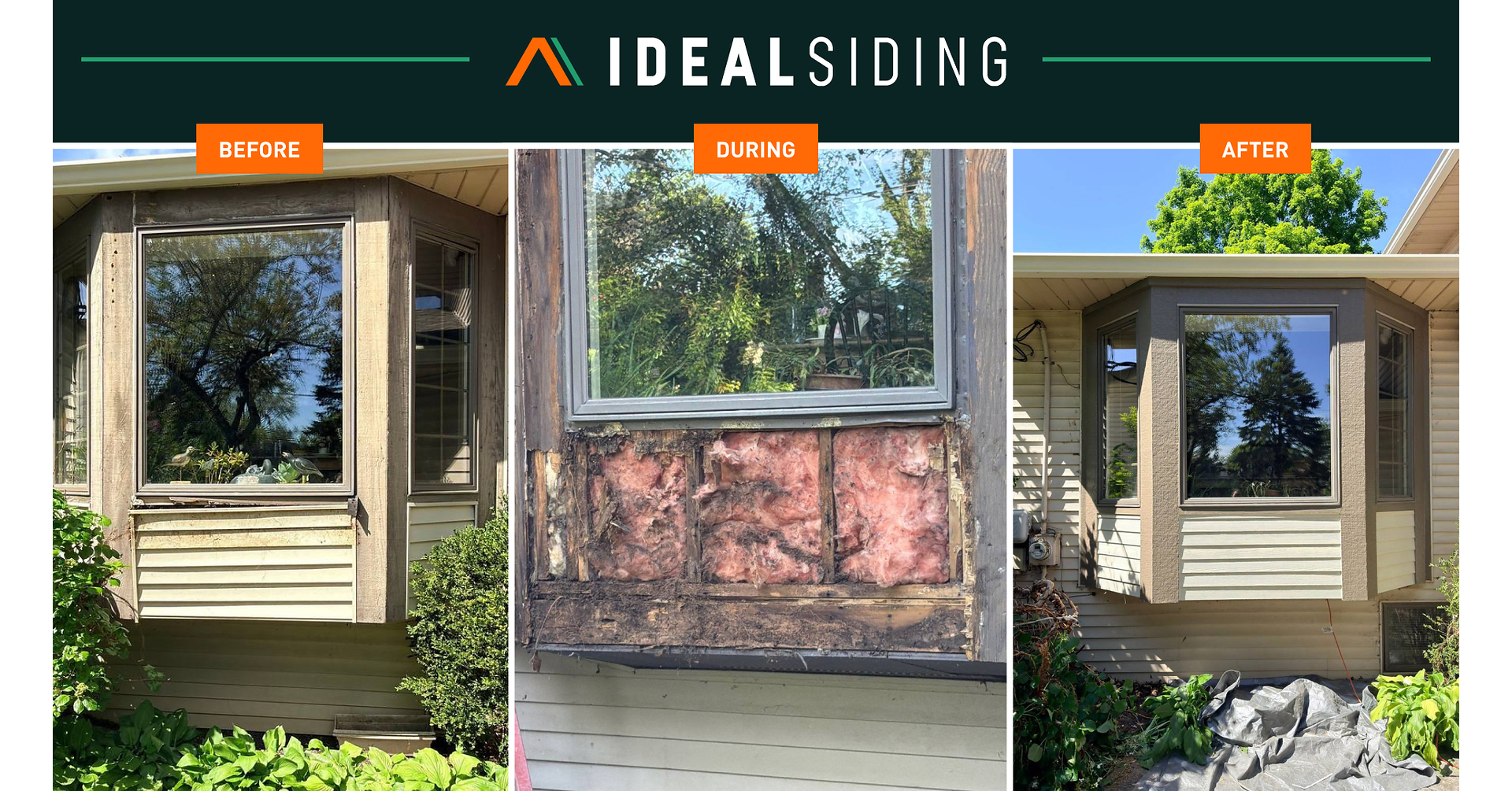
Ideal Siding says its crews across more than 100 U.S. and Canadian locations frequently find hidden moisture damage, rotted framing, insects, and mold when removing siding. The company recommends a fall inspection, warning that winter moisture and freeze-thaw cycles can turn smaller repairs into more expensive structural work; it provides no quantified cost estimates.
Analysis
This is a demand-generation release, not evidence of a measurable change in housing repair demand. The economic mechanism is plausible: delayed exterior repairs can expand into framing, mold remediation, and replacement work, raising ticket size for contractors and materials suppliers. But that may shift spending forward from spring rather than create incremental spend, and the article gives no audited repair incidence, conversion rates, average job size, or franchisee economics. Ideal Siding is privately held, so there is no direct listed-company exposure to underwrite.
For public markets, any read-through to home-improvement retailers or building-products suppliers is diffuse: siding is a small slice of household maintenance budgets, and labor availability, financing costs, and consumer willingness to defer discretionary projects likely matter more than this seasonal warning. Pest-control and remediation providers are only conditional beneficiaries if inspections uncover broader damage; the release does not establish that prevalence is rising.
Near term, fall weather could concentrate contractor bookings and pull work forward, with winter conditions potentially delaying jobs. Over 1–3 months, watch housing repair/remodel commentary and backlog rather than treating the press release as a demand signal. Over 6–18 months, aging housing stock supports recurring maintenance demand, but high borrowing costs or weaker home equity can push homeowners toward patch repairs or deferral. The contrarian point: the urgency framing may be effective marketing, but it does not prove that broad-based repair spending is accelerating.
AllMind Terminal
AI-powered research, real-time alerts, and portfolio analytics for institutional investors.
Request TrialMarket Sentiment
Overall Sentiment
neutral
Sentiment Score
0.00
Key Decisions for Investors
- No trade on this release alone. Do not infer listed-sector earnings upside from a private franchise operator’s promotional claims.
- Use Home Depot and Lowe’s, plus building-products suppliers, as monitoring proxies—not as direct beneficiaries. Look for repair/remodel sales, comparable-ticket trends, and contractor demand commentary in upcoming results.
- Treat the seasonal setup as a possible timing shift: stronger fall bookings could be offset by softer winter or spring demand. Reassess only if multiple companies report sustained repair-related growth rather than isolated seasonal strength.
- Watch for falsification: persistent weakness in home-improvement sales or contractor backlogs, rising project cancellations, or management commentary that homeowners are deferring maintenance would undermine the demand thesis.
More News
- The U.S. market has never been more focused on one single bet—but AI’s payoff will likely take decades
- Meta put out an ambitious roadmap to Muse monetization after strong quarter and guide
- CoreWeave’s market confidence erodes as bond yields spike and stock sinks
- Meta ordered to pay $25 billion in case related to Cambridge Analytica scandal
- Why is Tesla stock falling after-hours today?
- Judge orders Meta to pay $25bn in fines for Facebook privacy violations