
Oil Slides After Report Says Trump Favors Iran Diplomacy
Source: Bloomberg
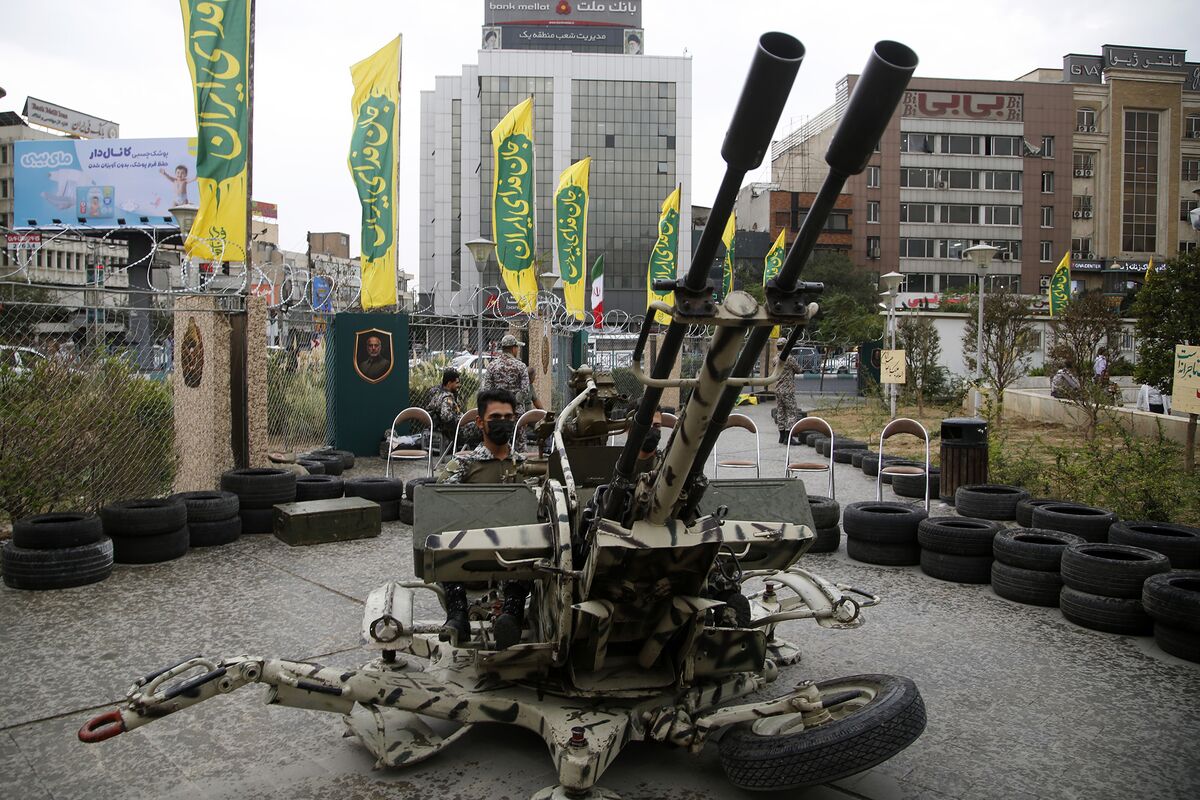
Oil declined after Axios reported that President Donald Trump wants to give diplomacy with Tehran more time before potentially resuming strikes. Gulf states fear a renewed US-Israeli assault on Iran could trigger a more destructive regional war; the article gives no size for oil’s decline or other market moves.
Analysis
The oil move is primarily a repricing of near-term geopolitical risk, not evidence of a change in physical balances. The key asymmetry is that diplomatic delay can remove some immediate risk premium, while a breakdown could quickly restore it through shipping disruption or a wider regional conflict. A durable bearish case needs more than a pause in strikes: negotiations would need to hold and, over a longer horizon, sanctions policy would need to permit additional Iranian barrels. Those are separate steps.
Over days, headline sensitivity and positioning can dominate; avoid treating one report as confirmation of de-escalation. Over 1–3 months, monitor negotiation milestones, sanctions signals, and shipping conditions. Over 6–18 months, any actual increase in Iranian exports could weigh on crude, but only if policy and logistics allow it. Lower crude could help fuel-sensitive industries, while pressure on upstream producers would depend on the persistence of the price move; neither effect is established by this report alone.
Contrarian read: the initial dip may over-credit diplomacy and underprice the speed with which the risk premium could return. The thesis is falsified by sustained diplomatic progress alongside normal shipping and credible evidence of incremental supply; it is challenged in the other direction by renewed military escalation or disrupted flows. No outright directional crude trade is compelling on this information alone.
AllMind Terminal
AI-powered research, real-time alerts, and portfolio analytics for institutional investors.
Request TrialMarket Sentiment
Overall Sentiment
mixed
Sentiment Score
0.00
Key Decisions for Investors
- Do not chase a crude short solely on the report. Keep ICE Brent and NYMEX WTI exposure neutral until there is confirmation beyond a single diplomatic headline.
- If crude risk premia and implied volatility retreat while talks remain active, consider a small, defined-risk Brent call spread as a hedge against a rapid reversal; size it as insurance, not a base-case forecast. Reassess if negotiations produce verifiable progress and shipping remains normal.
- For a bearish, multi-month crude thesis, wait for evidence of both sanctions easing and actual Iranian export growth. Verify policy changes and export flows before positioning; diplomacy alone does not establish new supply.
- Track regional shipping conditions and official US/Iran statements as near-term invalidation signals. A material disruption or renewed strike threat would invalidate a de-escalation short thesis; sustained progress plus normal flows would weaken the upside-hedge case.
More News
- As Trump eyes new attack, Iran vows to retaliate beyond the Mideast and target financial assets, while oil markets brace for generational damage
- Ryanair CEO warns fares could rise by up to 20% in 2027 as fuel bill jumps by $2.2 billion
- Rubio says Trump wants to end Iran war 'peacefully' even as both sides prepare for strikes
- Indian Bonds Rally as Oil Falls, Higher Yields Attract Buyers
- Kosmos Energy stock sinks on third quarter earnings, revenue miss
- Wells Fargo raises Chevron stock price target on upstream strength