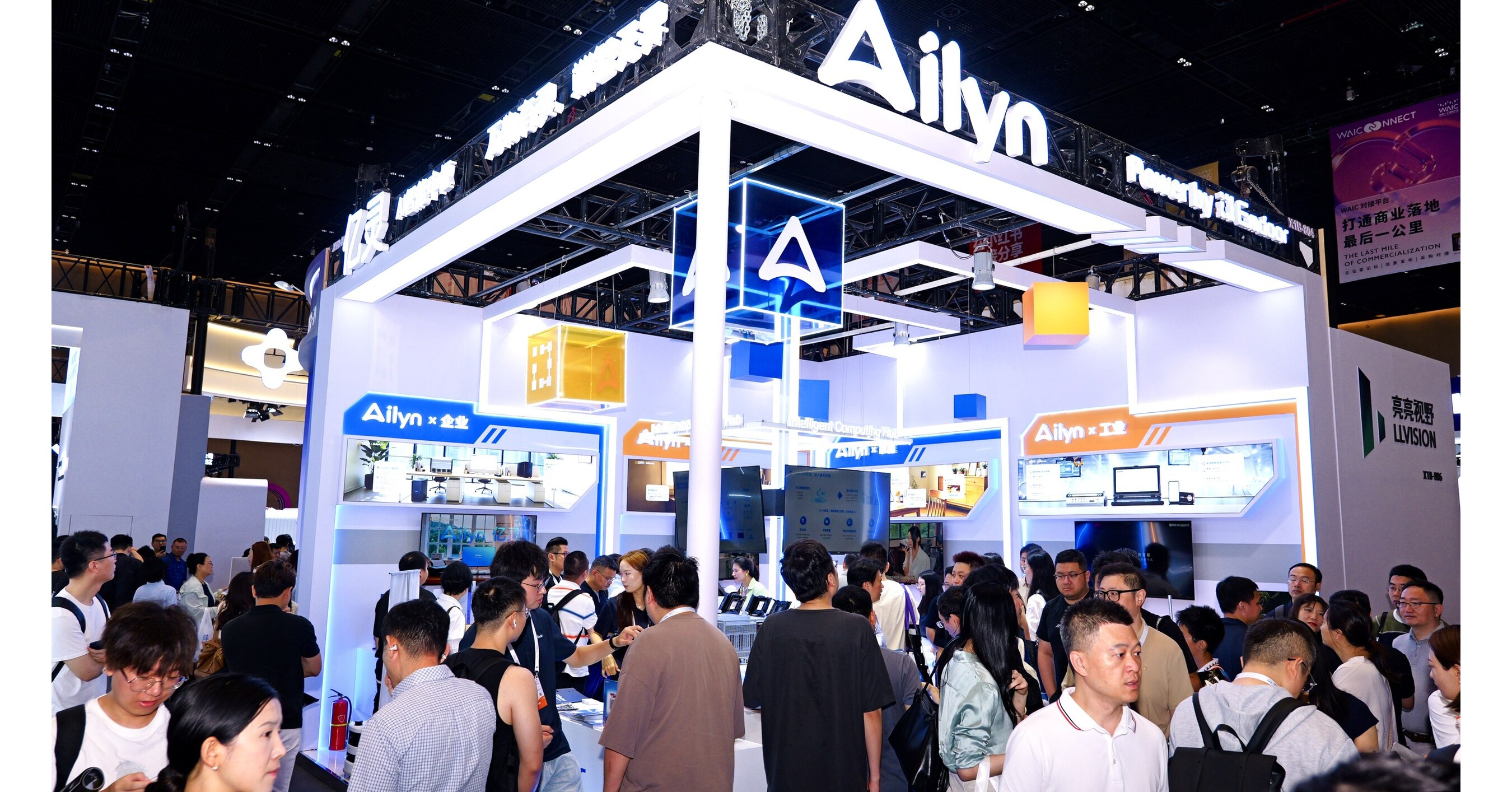
Emdoor launched Ailyn, an integrated software-hardware AI hub at WAIC 2026, positioning it as a unified “intelligence layer” that orchestrates storage, compute, AI models, and data across PCs, NAS, boxes, and IoT devices. The platform emphasizes device-first on-device model deployment to reduce costs/latency and support offline functionality, with features like unified data access and cross-device task handoff. While no financials were disclosed, the shift toward “intelligent infrastructure” and a multi-device ecosystem is a constructive product/platform development for the company.
This reads more like a proof-of-concept for the edge-AI stack than a near-term revenue event. The incremental signal is that OEMs are packaging local inference, device orchestration, and privacy as a bundled solution, which supports client silicon with integrated AI blocks and low-power form factors more than centralized cloud GPUs. In that setup, Intel and Qualcomm are the cleaner read-throughs; AMD participates in workstation optics, but the thesis is weaker unless it wins materially more board slots or can show software-layer stickiness.
The second-order effect is substitution: if private, device-first AI workflows gain traction, some inference spend migrates away from hyperscaler usage and toward endpoint refresh cycles, storage, and managed fleet software. That is constructive for x86 client refreshes, industrial PCs, NAS, and wearable SoCs, but it also compresses the moat of standalone AI software vendors if the orchestration layer is bundled into hardware. For market impact, though, this is still a channel-validation story; the first real evidence will be order flow and attach rates, not the product launch itself.
Catalyst timing is split: over days, the move is mostly sentiment and likely fades; over 1-3 months, watch for design-win language from PC/industrial OEMs and any pickup in client/edge commentary from Intel and Qualcomm; over 6-18 months, the question is whether edge AI meaningfully lifts refresh demand or just shifts mix within existing BOMs. The thesis is falsified if OEMs fail to monetize local AI beyond demos, or if cloud inference costs fall fast enough to make on-device orchestration unnecessary.
AI-powered research, real-time alerts, and portfolio analytics for institutional investors.
Overall Sentiment
mildly positive
Sentiment Score
0.25
Ticker Sentiment
