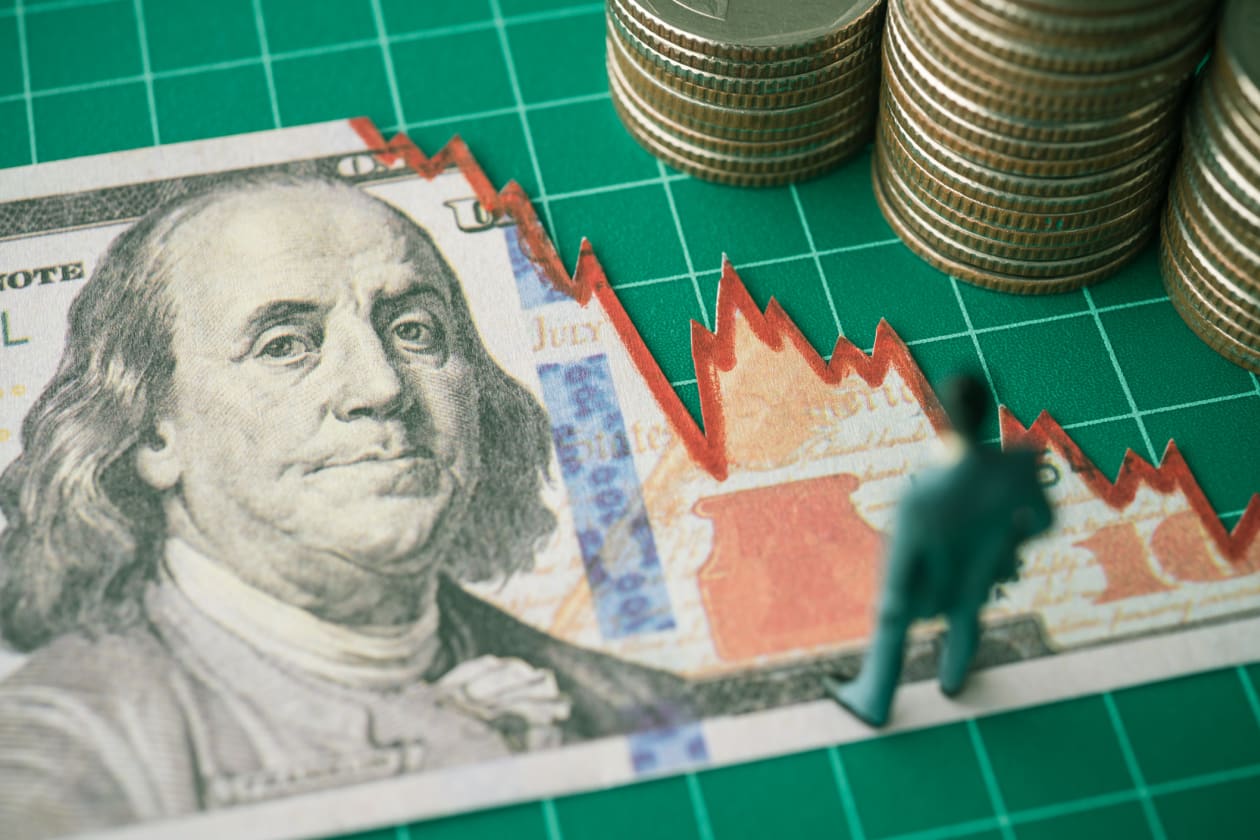
The latest jobs report and related data were stronger than the slowdown narrative, with manufacturing improving, new orders rising, job openings rebounding sharply, payrolls stabilizing, and durable goods orders slightly above expectations. The article argues that despite this economic resilience, the Fed should not hike rates because tighter policy could choke off investment needed to bring prices down. The immediate read-through is bearish for stocks and broadly market-moving because it raises the odds of a more hawkish policy debate.
The market’s first-order read is "hot data = higher yields = lower multiples," but the more important second-order effect is a policy mix shift that hurts duration assets before it meaningfully helps nominal growth. If the Fed leans hawkish into improving labor and capex data, the biggest losers are sectors whose valuation depends on rate cuts that are now being deferred 6-12 months: long-duration software, unprofitable tech, REITs, and levered small caps. That means the pain should concentrate in the most rate-sensitive cohorts even if the broader economy stays resilient.
The contrarian mistake is assuming stronger payrolls automatically translate into immediate pricing power and a clean earnings upgrade. In this part of the cycle, the initial impact is often margin compression: wages and financing costs reprice faster than end-demand, so industrials and consumer discretionary can see a lagged hit even if headline activity holds up. If credit conditions stay tight, the real transmission is through capital allocation — companies delay hiring, buybacks become less attractive versus debt paydown, and the private investment needed to expand supply capacity gets throttled.
What can reverse this? A softer inflation print or a sudden deterioration in leading indicators would let the Fed look through one hot jobs report and keep real rates from tightening further. But absent that, the next 2-3 months are more about multiple compression than earnings downgrades, with the biggest asymmetric risk being that markets were positioned for a benign "soft landing + cuts" regime that is now less likely. The move is probably underappreciated in cyclicals that depend on cheaper capital, while energy and value-oriented balance-sheet-safe names should remain relatively insulated.
AI-powered research, real-time alerts, and portfolio analytics for institutional investors.
Request TrialOverall Sentiment
moderately negative
Sentiment Score
-0.25
