
Robert Friedland on the World's Monumental Shortage of Copper
Source: Bloomberg
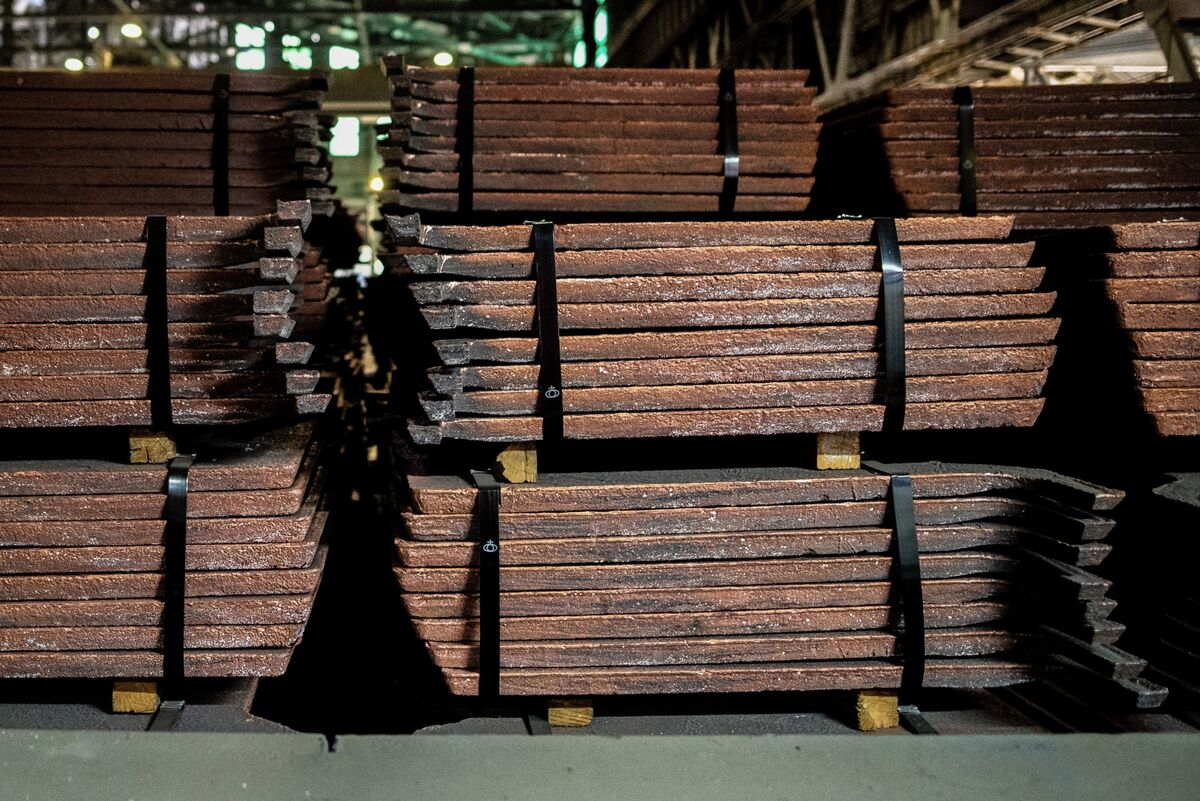
Copper prices have surged 15% this year amid booming demand tied to data centers, electric vehicles and global reindustrialization. Ivanhoe Mines founder Robert Friedland argues the world faces a monumental copper supply shortfall, with mine development lagging expected demand growth. Expected US tariffs on refined copper and rising resource nationalism could further tighten supply and support prices.
Analysis
The investable implication is less the spot-price narrative than a widening scarcity premium for assets that can add delivered cathode into Western or allied supply chains. A US refined-copper tariff would bifurcate regional pricing: domestic scrap processors and US-listed producers with North American output should capture higher realizations, while manufacturers lacking pass-through—wire/cable, electrical equipment and data-center power infrastructure—face a lagged margin squeeze. IVN has exceptional resource quality but its valuation remains exposed to DRC jurisdiction, export logistics and Congo/Zambia policy; scarcity does not eliminate country-risk discounting.
Over the next 1-3 months, tariff specificity, Chinese import data and treatment/refining-charge trends matter more than promotional supply-deficit forecasts. A sustained decline in TC/RCs alongside rising exchange inventories being drawn down would validate a physical squeeze; a growth scare that weakens Chinese grid/property demand can still overpower AI-related demand in the near term. For 6-18 months, permitting delays, grid buildout and the difficulty of financing greenfield mines favor incumbents and developers with funded projects, but high prices also accelerate substitution, scrap recovery and aluminum use in lower-performance applications.
Consensus may be too focused on miners as a simple copper-beta expression. The cleaner second-order long is copper recycling: elevated regional spreads increase collection economics and utilization without the geological, capex and sovereign-risk exposure of new mines. Conversely, tariff protection can raise US input costs enough to weaken downstream competitiveness, particularly where imported finished electrical products can avoid the same effective burden; policy design, not merely tariff announcement, determines who captures the rent.
AllMind Terminal
AI-powered research, real-time alerts, and portfolio analytics for institutional investors.
Request TrialMarket Sentiment
Overall Sentiment
moderately positive
Sentiment Score
0.45
Ticker Sentiment
Key Decisions for Investors
- Initiate a 6-12 month pair: long Freeport-McMoRan (FCX) / short a basket of copper-input-sensitive electrical equipment exposure via XLI, sized modestly. FCX offers direct US copper-price and realizations upside; the short leg hedges cyclical beta while targeting downstream margin pressure. Reassess if copper falls below the pre-tariff trading range or US tariff implementation is delayed/exempts refined copper.
- Prefer long Aurubis (NDA.DE) or a watchlist position in Schnitzer Steel (RDUS) over chasing IVN after a copper-price spike. Recycling economics should improve if regional copper premiums widen; enter only after confirmation of higher scrap spreads/throughput, since weaker industrial activity can offset metal-price gains.
- Treat IVN as a tactical, not core, copper long: buy only on pullbacks with a 3-6 month catalyst window around production delivery and export-normalization evidence. Cap position size for DRC concentration; exit on material guidance reduction, renewed export restrictions, or evidence that Congo fiscal terms worsen.
- Set a confirmation alert rather than adding broad copper beta: require falling global TC/RC benchmarks, declining visible inventories, and sustained Chinese grid-investment strength. Without all three, use rallies to avoid or trim high-multiple developers; AI/data-center demand alone is unlikely to close the near-term cyclicality gap.
More News
- Stocks stumble on inflation fears, but 2 of our names give us reasons to stay bullish
- Apple and Taiwan Semiconductor Manufacturing Just Announced a Cutting-Edge Chip. 1 Stock Offers Far Greater Upside.
- American schools weren’t broken until Silicon Valley used a lie to convince them they were—now reading and math scores are plummeting
- Study warns Seattle over-relies on Big Tech; Seattle Times v. Microsoft; Apple's iPhone Duo echoes the past
- Where to preorder the iPhone 18 Pro and Pro Max
- Mark Penn: How to save a billion and a half hours