
HelloNation Article Explains Deferred Maintenance, Featuring Commercial Property Management Expert Courtenay Brack
Source: PR Newswire
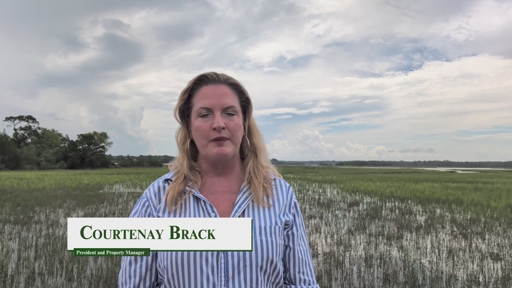
HelloNation’s article, featuring Charleston commercial property expert Courtenay Brack, says delaying repairs can turn small issues—such as roof leaks or HVAC problems—into costlier projects and operational disruptions. It argues that routine inspections, planned maintenance and reserve funding can help protect property value, tenant satisfaction and operating costs; the article provides no quantified savings or market data.
Analysis
This is educational, promotional content—not evidence of a change in property-level spending, insurance terms, or asset values—so it has little immediate pricing value. The investable angle is dispersion: owners with constrained liquidity may defer capex, but the resulting operating risk can compound through tenant churn, emergency work, and tougher lender or buyer diligence. That should matter more for older, mechanically intensive assets and weaker sponsors than for well-capitalized portfolios; it is not a blanket signal on commercial real estate.
Over 1–3 months, look for verification in REIT earnings and property-manager disclosures: maintenance/capex guidance, building-system failures, leasing incentives, occupancy, and same-property expenses. Building-services and HVAC maintenance providers could benefit if owners shift budgets toward preventative work, but this article offers no evidence of incremental demand or pricing power. Over 6–18 months, persistent underinvestment could widen asset-quality and financing spreads, while disciplined operators may preserve tenant retention and reduce cash-flow volatility. Conversely, recession-driven vacancies or expensive debt could force even prudent owners to defer maintenance, limiting the upside for service vendors.
Contrarian point: preventative maintenance is economically sensible, but the market may already reflect this conventional wisdom. The missing evidence is whether deferred maintenance is rising and whether it is translating into measurable repair costs, downtime, insurance repricing, or valuation discounts. No directional trade is justified on this source alone.
AllMind Terminal
AI-powered research, real-time alerts, and portfolio analytics for institutional investors.
Request TrialMarket Sentiment
Overall Sentiment
neutral
Sentiment Score
0.10
Key Decisions for Investors
- No trade from this article alone. Treat it as a diligence prompt, not a catalyst; avoid broad CRE or building-products exposure based on the promotional claims.
- For CRE holdings, monitor asset-level capex versus maintenance needs, tenant retention, concessions, and recurring repair expense. Escalate concern if management cuts upkeep while occupancy weakens or emergency costs rise.
- Watch building-services and HVAC maintenance businesses only for confirmation in bookings, backlog, and customer spending; absent those indicators, do not assume deferred maintenance converts into near-term revenue.
- Falsifiers for the underinvestment-risk thesis include stable or improving property condition metrics, flat repair and insurance costs, and steady leasing without increased concessions; stronger evidence would be rising emergency capex, downtime, or lender/buyer discounts.
More News
- Vornado earnings missed by $0.12, revenue fell short of estimates
- Sectors bracing for a pivot as US midterm elections loom
- Centerspace Reports Third Quarter 2026 Financial & Operating Results
- Americans now spend nearly half of their budgets on food and housing alone, the biggest share in 15 years
- B.Riley cuts Industrial Logistics Properties price target on rates
- UMH Properties faces earnings test amid activist pressure