
AI Backlash Hits Home for Member of Congress in Virginia’s ‘Data Center Alley’
Source: Bloomberg
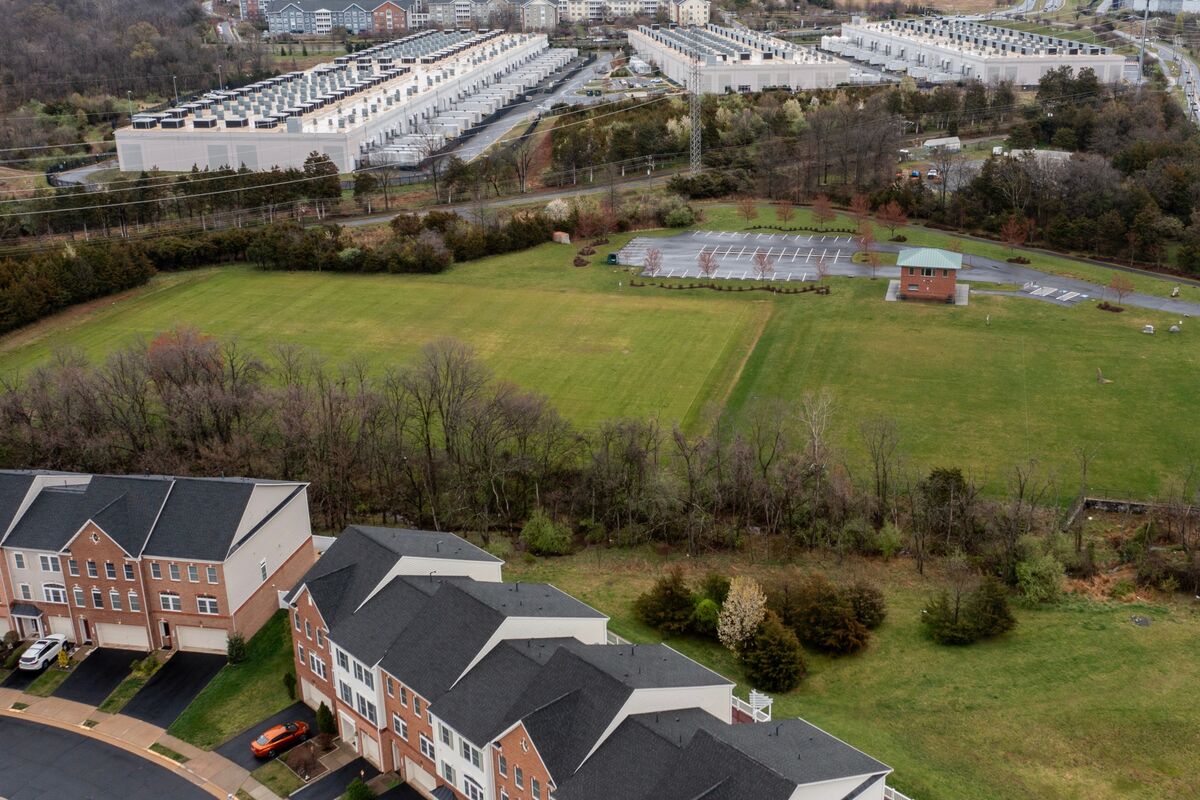
A Virginia House member whose district includes the largest concentration of US data centers is calling the industry “tone-deaf” and seeking a balanced approach to growth, amid an AI backlash. The article excerpt provides no specific policy proposal or data-center impact figures. Separately, it reports SpaceX quarterly net income of $4.4 billion, described as much better than expected.
Analysis
The investable signal is political friction, not an immediate change in data-center demand. Local criticism can raise the cost and duration of approvals through zoning, power, water, and tax-benefit scrutiny; absent a specific bill, permit denial, or utility decision, it does not yet establish a slowdown in Virginia capacity. Over the next 1–3 months, watch for concrete proposals and local election outcomes. Over 6–18 months, sustained resistance could shift incremental projects toward jurisdictions with more available power and faster approvals, benefiting alternative sites while increasing grid and transmission bottlenecks there. Existing Northern Virginia infrastructure and network density make wholesale relocation difficult, so the more likely first-order effect is higher project friction and spending on mitigation—not demand destruction. The article’s SpaceX earnings teaser is a separate item; there is no basis here to connect those results to the local data-center backlash or infer an impact on SPCX.
AllMind Terminal
AI-powered research, real-time alerts, and portfolio analytics for institutional investors.
Request TrialMarket Sentiment
Overall Sentiment
mixed
Sentiment Score
-0.05
Ticker Sentiment
Key Decisions for Investors
- No standalone trade on the headline: the article provides no proposed legislation, named project, permit action, or quantified capacity at risk. Treat it as a watch item rather than evidence for near-term earnings changes.
- Monitor Northern Virginia zoning and utility proceedings, power-connection timelines, and any change to local tax incentives. A binding restriction or project delay would strengthen the case for relative underperformance in exposed data-center landlords and developers versus less constrained infrastructure peers; verify company-level regional exposure before positioning.
- If opposition translates into delayed builds, assess second-order beneficiaries in power generation, transmission, and alternative data-center markets—but confirm available grid capacity and permitting rather than assuming projects can relocate quickly.
- Falsifiers: approvals and interconnection schedules remain on track, or opposition fails to produce formal policy changes. Conversely, a specific moratorium, withdrawn incentive, or material utility delay would be a stronger catalyst than further critical rhetoric.
More News
- Why is Tesla stock falling after-hours today?
- Zuckerberg told Meta directors he might leave California, where he could lose billions to a wealth tax. Meta answered with a new class of stock
- Futures orbit around SpaceX as Tesla merger talk cheers investors
- Elon Musk Thinks $3.5 Trillion Tesla-SpaceX Mashup Is a Good Idea
- SpaceX gives the AI trade a shot in the arm. What it means for our stocks
- Apple's iPhone Duo in short supply — plus, the 2 stocks fueling an AI rebound
From AllMind Research
- Anthropic IPO Preview: Valuation, Timing, and What to Watch
- Shein After the IPO: Venue, Valuation, and What Must Be Proved
- What AI Research Tools Should a Small Hedge Fund Buy First?
- AI Tools for Family Offices: A Stack by Decision Type
- Reading Conviction in the Tape: What Level 3 Order Book Data Really Tells Discretionary PMs