
Die HUAWEI WATCH D3 feiert auf dem ESC-Kongress 2026 ihr vorzeitiges Debüt: Eine neue Ära in der Blutdruckmessung am Handgelenk
Source: PR Newswire
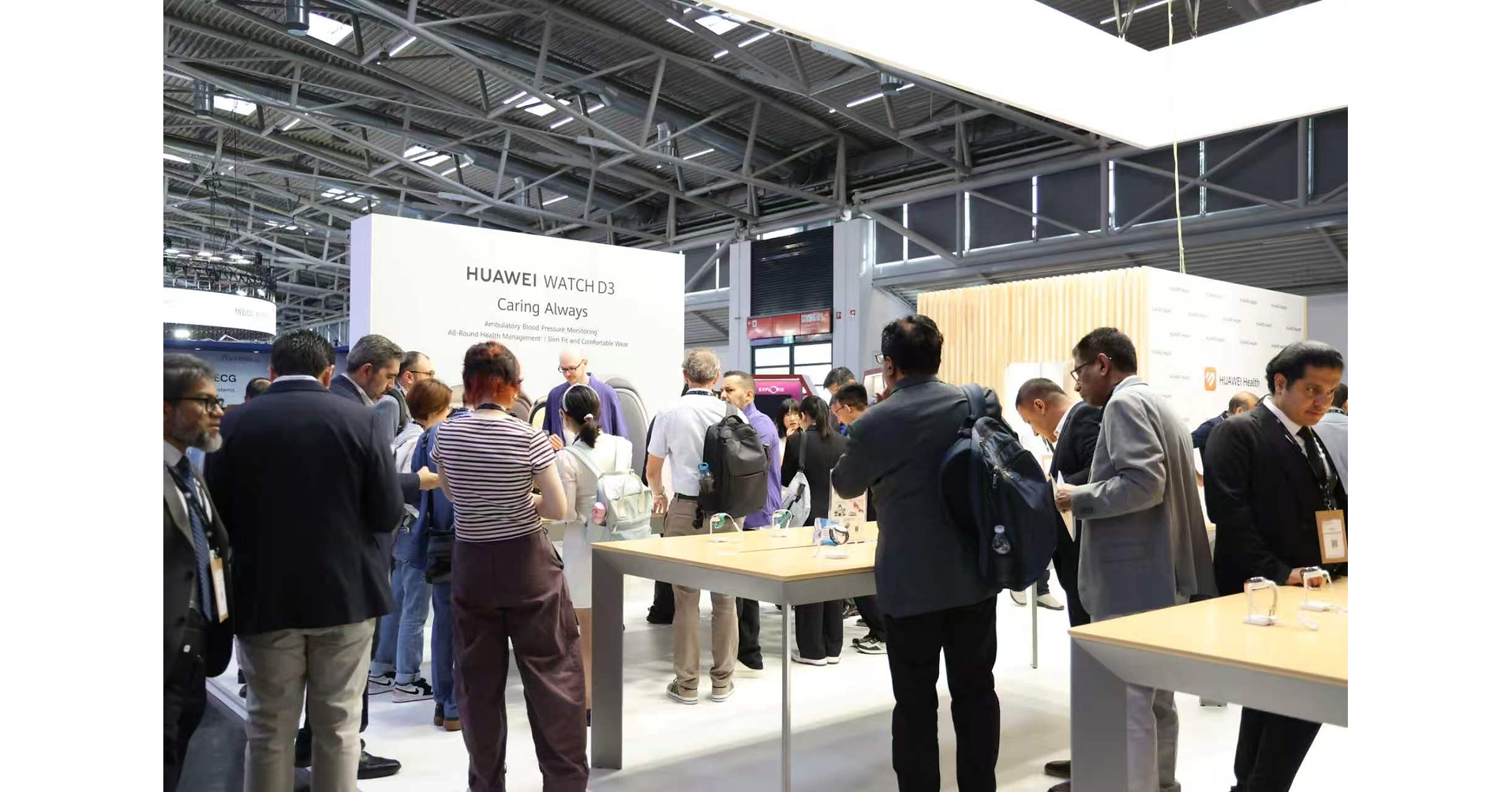
Huawei stellt auf dem ESC-Kongress 2026 die vorab präsentierte HUAWEI WATCH D3 vor, noch vor der offiziellen Markteinführung am 2. September. Das Handgelenk-Blutdruckmessgerät zielt auf genauere Messungen auch bei erhöhten Herzfrequenzen ab (u. a. vor/nach dem Training) und wurde in der EU nach CE-MDR zertifiziert (inkl. Einzelmessungen, ambulante Überwachung sowie Vor-/Nach-Training). Die Watch D3 ergänzt Erinnerungen für Blutdruckmessungen in Höhenlagen und bei plötzlichen Temperaturschwankungen; zusätzliche Health-Glance- und Schlaf-/Wohlbefindensfunktionen werden weiter ausgebaut.
Analysis
The investable signal is not the device itself; it is the normalization of regulated blood-pressure sensing inside a consumer wearable. That shifts value away from the sensor BOM and toward the owner of the health data loop, which is where platform players can monetize retention, services, and future subscription attach. For listed equities, that is a modest positive for ecosystem leaders like AAPL, while more specialized home-monitoring hardware names face gradual multiple compression if investors start to believe wrist-based screening is “good enough” for a growing share of use cases.
Near term, though, substitution should be limited. Blood-pressure data are noisy in motion and under stress, so this is more likely to be a screening/management tool than a wholesale replacement for cuff-based diagnosis. That means any knee-jerk selloff in OMRN/OMRNY or similar home-monitoring proxies would likely be premature unless independent studies show durable accuracy across ambulatory conditions and physician workflows.
The contrarian risk is that the market overestimates commercial impact from a certification and underestimates implementation friction. CE-MDR helps distribution, but reimbursement, clinician trust, and post-market surveillance determine whether this becomes a meaningful medical product or just a premium feature. The real catalyst window is 1-3 months for pricing and launch details, then 6-18 months for evidence of third-party validation and any response from Apple/Samsung/Garmin. Falsifiers: no published accuracy data, no clear channel expansion beyond the Huawei ecosystem, or evidence that consumer adoption remains confined to enthusiasts rather than chronic-care users.
AllMind Terminal
AI-powered research, real-time alerts, and portfolio analytics for institutional investors.
Request TrialMarket Sentiment
Overall Sentiment
mildly positive
Sentiment Score
0.25
Key Decisions for Investors
- Long AAPL / short OMRNY (or OMRN JP) as a 3-6 month pair trade on the thesis that medically certified wearable features accrue more value to ecosystem owners than to standalone cuff makers; target 10-15% relative outperformance, invalidate if Apple stays silent on health features and OMRON guides stable volumes.
- Do not short home blood-pressure device names aggressively on this headline alone; wait for independent validation versus cuff readings and evidence of channel adoption before treating wrist-based BP as a true substitute.
- Put AAPL on a watchlist for a 6-12 month call-spread entry if its next product cycle introduces BP or adjacent cardio sensing; favorable risk/reward if the market starts to price a broader health-platform rerating, with downside limited to premium paid.
- Monitor OMRN/OMRNY and any EU-facing med-tech peers for early signs of price pressure or lower ASPs over the next 1-3 quarters; if share losses do not appear in channel data, the substitution thesis is likely overstated.
More News
- Indonesia stocks suffer biggest daily slump since 1998 as MSCI weighs downgrade
- Order to limit Starshield for Ukraine came from inside White House: Reuters reports
- The IPO drought is driving private equity-owned companies to the debt market to pay investors
- CoreWeave credit default swaps hit distress levels as investors sour on AI debt
- FDA approves Enspryng for thyroid eye disease treatment
- Giant Taiwanese chipmaker TSMC confirms it’s in talks with Elon Musk to join ‘Terafab’ complex in Texas: ‘The AI market continues to be very strong’
From AllMind Research
- Anthropic IPO Preview: Valuation, Timing, and What to Watch
- Shein After the IPO: Venue, Valuation, and What Must Be Proved
- What AI Research Tools Should a Small Hedge Fund Buy First?
- Weekly Update: In-App Tutorials, Futures Data, and Watchlist Enhancements
- AI Tools for Independent Research Firms: A Publishing System