
Gol conecta Europa con El Calafate y Ushuaia a través de su red en Brasil
Source: PR Newswire
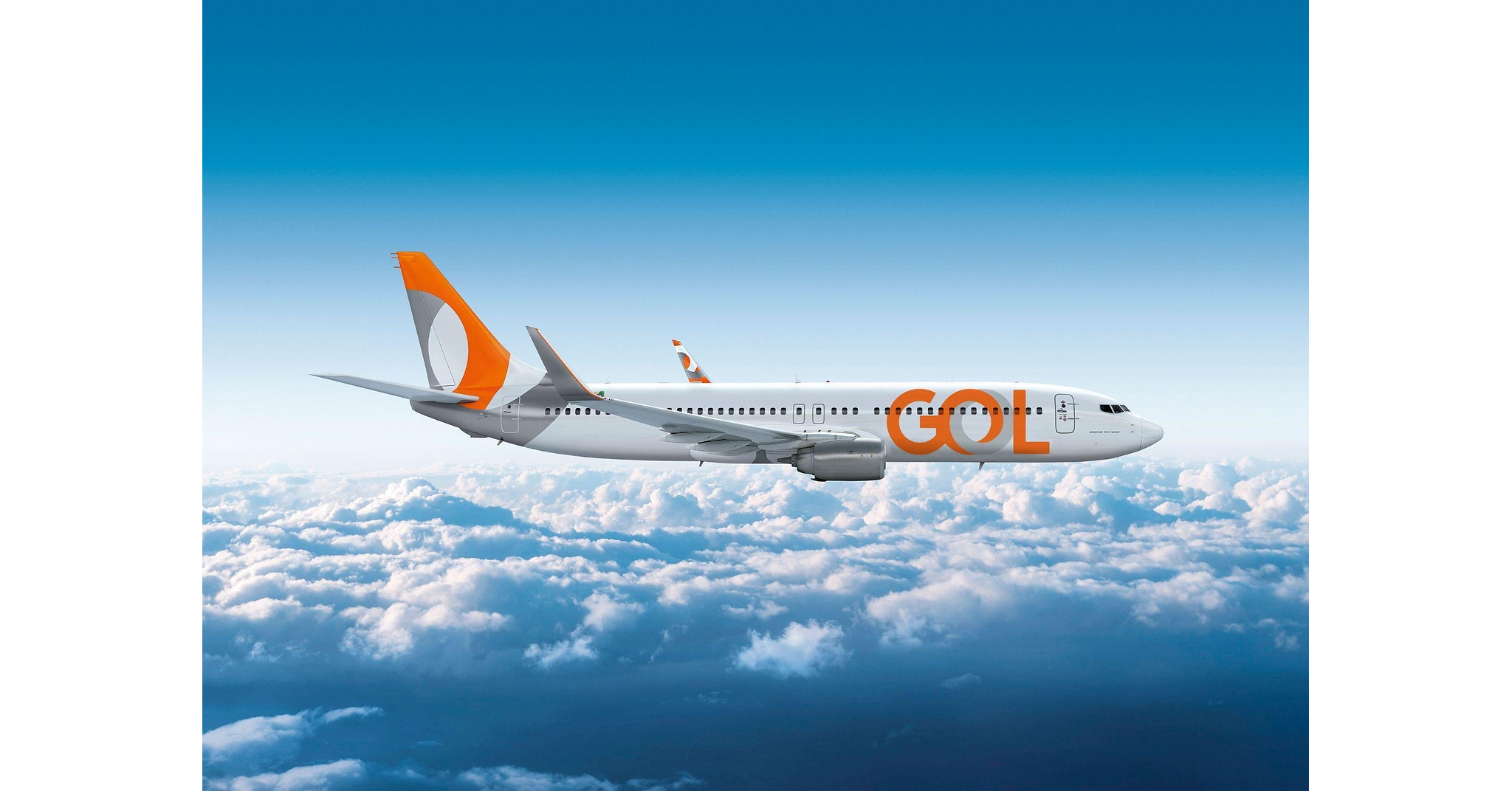
Gol will operate a seasonal São Paulo–El Calafate–Ushuaia service three times weekly from November 3, 2026 through March 27, 2027, expanding access to Argentina's Patagonia through its Brazilian network. The airline will also launch nonstop Lisbon–Rio de Janeiro flights on September 16 and offer a 24-hour to three-night no-cost stopover in Rio or São Paulo for international passengers. The network expansion leverages more than 60 codeshare and interline agreements, but the announcement provides no financial guidance or capacity metrics.
Analysis
This is strategically more relevant to Grupo Abra’s network economics than to the listed tickers supplied. Incremental Europe-to-Brazil feed can raise load factors on otherwise low-utilization shoulder-season southbound capacity, while the stopover construct lowers customer-acquisition cost versus buying point-to-point demand. The likely competitive pressure falls on TAP’s Portugal-Brazil franchise and LATAM’s São Paulo hub rather than AAL; neither is directly tradable through the supplied universe, making the immediate equity read-through weak.
For AF, the benefit is marginally constructive: a broader Brazilian domestic and regional distribution network improves the utility of its alliance connectivity without requiring AF-KLM to deploy incremental long-haul aircraft. The economic contribution will be immaterial unless it supports a measurable improvement in South Atlantic joint-venture traffic mix or premium-cabin yields over the next two reporting periods. For AAL, the effect is mixed-to-neutral: Abra/Avianca affiliation may improve regional onward feed, but it also gives a partner network more leverage in negotiating itineraries that can displace American’s Miami-centric South America flows.
Consensus should not extrapolate a seasonal leisure route into a material earnings catalyst. Patagonia demand is highly seasonal, price-sensitive, and exposed to Argentine FX volatility; capacity additions can dilute yields if European demand is being stimulated through discounting rather than high-value connecting traffic. The key falsifier for any positive airline read-through is evidence of worsening Brazil international yields or rising promotional intensity from TAP, LATAM, Azul, or AF-KLM during the November-March peak period.
AllMind Terminal
AI-powered research, real-time alerts, and portfolio analytics for institutional investors.
Request TrialMarket Sentiment
Overall Sentiment
mildly positive
Sentiment Score
0.30
Ticker Sentiment
Key Decisions for Investors
- No standalone trade in AAL or AF on this announcement; the stated impact is too small and the operator-level revenue, load-factor, and fare data needed to underwrite earnings sensitivity are absent.
- Maintain a 1-3 month watch on AF versus European network peers: consider a tactical long AF only if quarterly South Atlantic passenger revenue/unit revenue and premium-cabin mix outperform guidance; invalidate on a material yield decline despite traffic growth.
- For AAL, monitor Latin America unit revenue and Miami connection trends at the next earnings update. A sustained deterioration in Latin American RASM while regional competitors add Brazil capacity would support a relative short AAL versus a broader airline basket, not a directional position.
- Set an alert for Argentine peso devaluation, fuel-price spikes, or new Argentine aviation restrictions before the seasonal launch window; any of these would raise route profitability risk and weaken the presumed network benefit.
More News
- EasyJet joins the ranks of budget airlines installing Starlink — and puts pressure on its rival Ryanair
- EQT becomes the nation’s leading natural gas ‘juggernaut’ with a $13B deal as data center, export demand surges
- Iran, Saudi, Turkiye and Pakistan agree to more talks amid Houthi attacks
- USTR Greer tells EU that loan to Airbus threatens trade truce on aircraft financing
- Japan Exchange Group H1 profit jumps 65% on soaring trading activity
- Anthropic’s risk factors include the end of humanity, a feud with the Pentagon, and CEO Dario Amodei’s reputation